Ghibli Real Locations · Genre Guide
Ghibli’s Gods Live in Real Places:
Japan’s Sacred Sites Behind the Films
Kasuga Taisha · Izumo Taisha · Yakushima Yakujinja · Hiezan · Ohara Sanzen-in
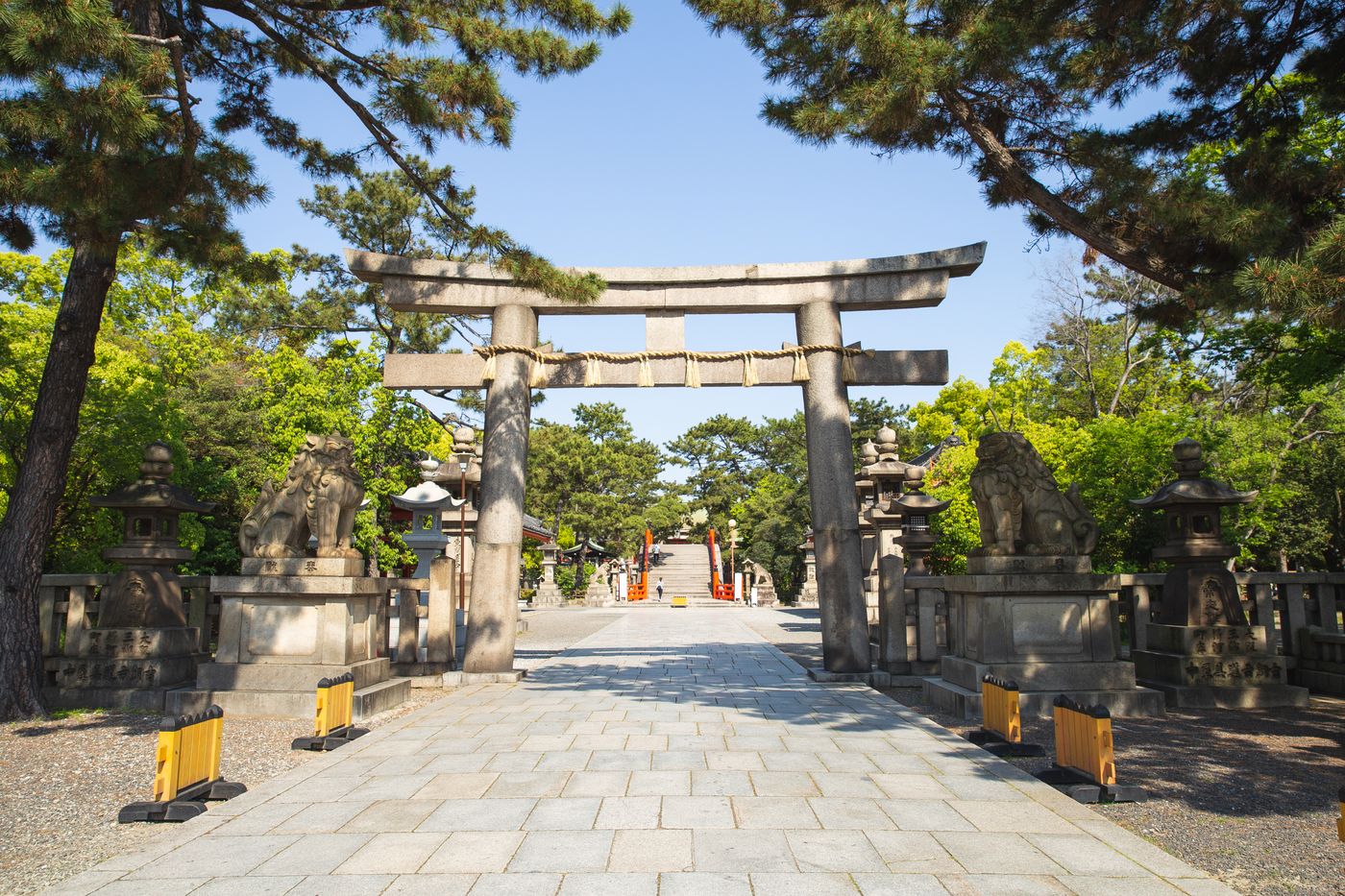
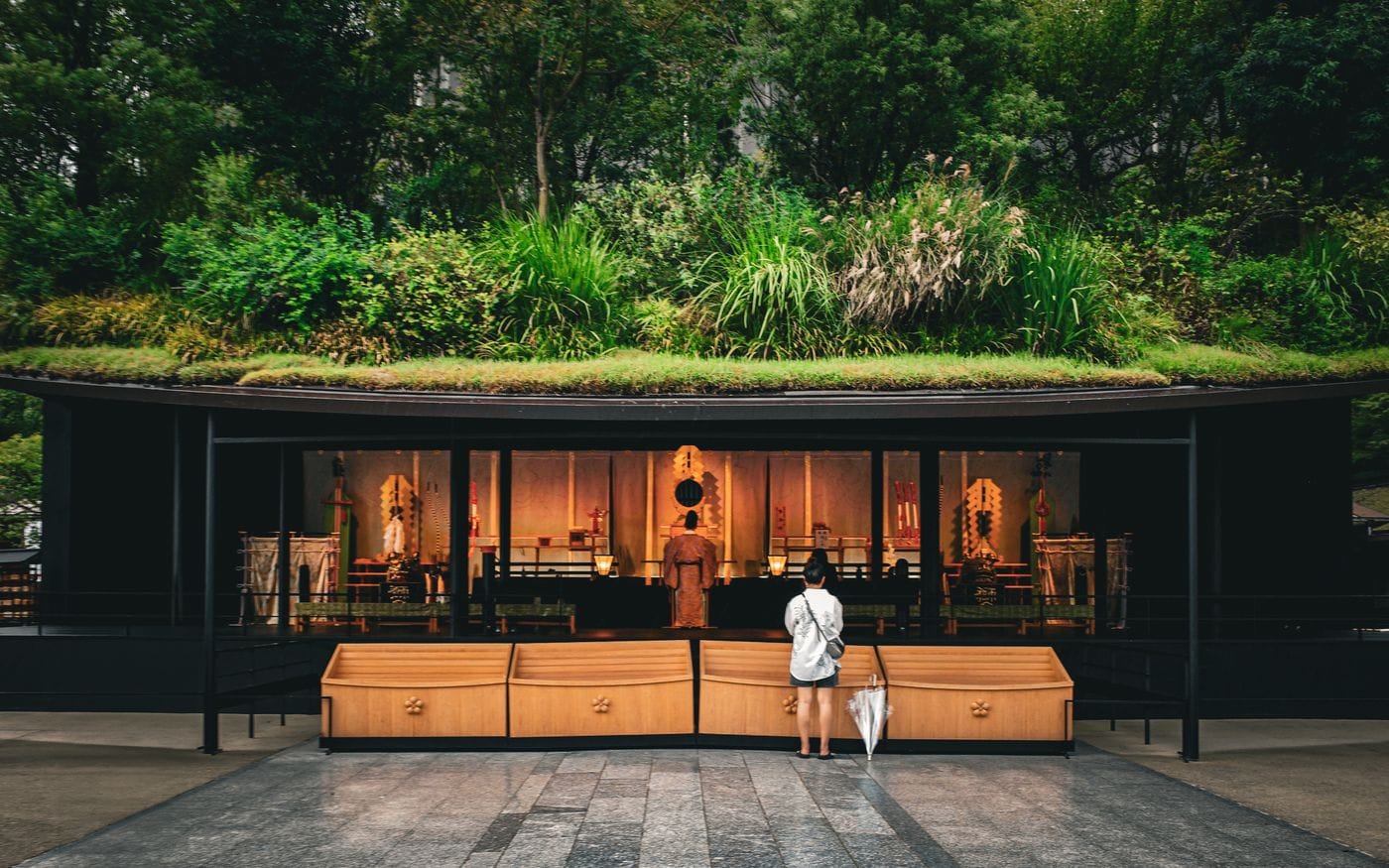
Ghibli’s spiritual world is grounded in Japanese Shinto and Buddhist belief — not as doctrine but as landscape. Shrines as places where the human and non-human worlds share a border. Forests as domains of kami. Ancient temples as spaces where time moves differently. These are not inventions. Japan contains them.
| Sacred Site | Film Connection | What It Is | Access |
|---|---|---|---|
| Kasuga Taisha, Nara | Princess Mononoke | Sacred deer roam freely; ancient shrine forest; lantern-lit corridors | Nara Station, 30 min walk |
| Izumo Taisha, Shimane | Spirited Away (conceptual) | Japan’s oldest shrine; home of all kami in October; enormous shimenawa rope | Izumo-Taisha-mae Station |
| Yakushima Yakujinja | Princess Mononoke | Guardian shrine of Yakushima’s forest; primeval approach | Miyanoura area, Yakushima |
| Sanzen-in, Ohara, Kyoto | Tale of Princess Kaguya | Heian-era Buddhist temple; moss garden; mountain valley setting | 60 min bus from Kyoto Station |
| Fushimi Inari, Kyoto | General Ghibli atmosphere | Thousands of torii gates ascending a mountain; fox messengers; dawn visitors find solitude | Inari Station, JR Nara Line |
The Ghibli Spiritual Itinerary
Nara + Kyoto: Kasuga Taisha and its sacred deer (Mononoke connection) in the morning, Fushimi Inari and its fox-god gateway (Spirited Away atmosphere) in the late afternoon, Sanzen-in or Ohara the following morning. Three days covers the essential Ghibli sacred landscape of the Kinki region.
Izumo: Izumo Taisha requires a dedicated trip — it is off the main tourist corridor — but represents the conceptual origin of the Spirited Away premise (all of Japan’s gods gathering in one place) more directly than any other real location. Best visited in October when, according to Shinto tradition, all the gods of Japan are in residence.
Ghibli Real Locations · Genre Guide
Ghibli’s Mountains Are Real:
Japan’s High Places Behind the Films
Takeda Castle · Yakushima · Mount Takao · Karuizawa · Odaigahara
In Ghibli films, high places are where the world’s rules change. The sky above Laputa is beyond ordinary reach. The mountain in Mononoke is the forest god’s domain. The highland in The Wind Rises is where time slows and beauty becomes dangerous. These Japanese mountains carry some of that quality.
| Mountain / Highland | Film | The Experience | Best Season |
|---|---|---|---|
| Takeda Castle, Hyogo | Castle in the Sky | Stone ruins above autumn cloud sea — Japan’s most dramatic cloud inversion | Sept–Nov, dawn |
| Yakushima — Miyanoura-dake (1,936m) | Princess Mononoke | Kyushu’s highest peak; primeval forest below summit; full-day climb | May–June, Oct |
| Mount Takao, Tokyo | Totoro (adjacent) / General | Michelin 3-star; 50 min from Shinjuku; Mt. Fuji views in winter; temple trail | Year-round (cherry / foliage peaks) |
| Karuizawa highlands | The Wind Rises | Highland resort; cedar forest; Manpei Hotel since 1894 | Summer, Autumn |
| Odaigahara, Nara/Mie | Princess Mononoke | Japan’s wettest highland; moss-covered primeval forest; 1,600m elevation | June–July, October |
The Ghibli Mountain Itinerary
For the Laputa experience: Takeda Castle in Asago, Hyogo. Arrive at Ritsuunkyo viewpoint before dawn (4:30–5:00am) in October or November, after rain, on a clear cold morning. The cloud sea appears about 60% of mornings in optimal conditions. When it appears, the connection to the film is immediate and complete.
For the Mononoke forest summit: Yakushima’s Miyanoura-dake requires a full day, proper equipment, and mountain registration. It rewards those conditions with the experience of standing above the world’s most significant cedar forest on Kyushu’s highest point — a place that feels, without any film reference at all, like it belongs to forces other than human ones.
Ghibli Real Locations · Genre Guide
Ghibli’s Countryside Is Real:
Japan’s Satoyama & Rural Landscapes
Sayama Hills · Miyama · Ohara · Tanada Rice Terraces · Shodoshima
The most consistent emotional terrain in Miyazaki’s work is the satoyama — the managed landscape between village and wild forest that defines traditional rural Japan. Paddies, thatched houses, terraced fields, the smell of rice and woodsmoke — this is what Satsuki and Mei’s neighborhood was, and what Kaguya loved about the life she was taken from. It still exists, in diminishing but real form, across Japan.
| Rural Location | Film Connection | What Remains | Best Season |
|---|---|---|---|
| Sayama Hills, Tokyo/Saitama | My Neighbor Totoro | Protected satoyama woodland; acorn-dropping oaks; Totoro Foundation parcels | May, October |
| Miyama, Kyoto | Tale of Princess Kaguya | 50+ thatched farmhouses; living farming community; Kitamura preservation district | Winter (snow on thatch) |
| Ohara, Kyoto | Tale of Princess Kaguya | Mountain valley farming; Sanzen-in temple; seasonal vegetables | Oct–Nov (autumn) |
| Nishizawa Keikoku Tanada, Yamanashi | General Ghibli atmosphere | Mountain terraced rice paddies; autumn color; preserved farming landscape | Sept–Oct (harvest) |
| Shodoshima, Kagawa | Kiki’s Delivery Service (general rural) | Olive groves; small-scale fishing; Mediterranean-feeling Seto Inland Sea island | Spring, Autumn |
The Satoyama Experience: Practical Notes
Farmstay (nouson minpaku): Staying overnight at a working farmhouse — available in Miyama, Ohara, and various rural prefectures through booking platforms — provides the fullest satoyama immersion. Morning farm work, home-cooked meals from garden vegetables, and the specific quiet of a house in a mountain valley at night are experiences that cannot be reached by day tourism.
Timing matters most. The satoyama is most legible to visitors at transition moments: early morning (mist in the valley, fires being lit), just before dusk (work ending, smoke from kitchens), and after rain (the smell of wet earth and cedar). These are the conditions under which the Ghibli landscape becomes most present.
Rice season: September and October, when the paddies are gold before harvest, represent the satoyama at its most cinematically complete. Several terraced paddy locations in Niigata (Hoshitoge), Mie (Maruyama Senmaida), and Yamaguchi (Yanai) produce images that appear to come directly from a Miyazaki background painting.
Recommended Hotels by Rural Area
Sayama Hills area: Hotel Sunroute Tokorozawa (Mid-Range / ~¥12,000) · Toyoko Inn Tokorozawa (Economy / ~¥8,000)
Miyama: Miyama-so / local kayabuki guesthouses (Mid-Range / ~¥20,000 including dinner)
Ohara: Ohara no Sato Seiryu (Luxury / ~¥45,000) · Local minshuku (Economy / ~¥10,000 with meals)
Shodoshima: Shodoshima International Hotel (Mid-Range / ~¥18,000)
All prices approximate per night. Verify on booking sites.
The Complete Ghibli Japan Pilgrimage — In Summary
Ghibli’s Japan is not a fantasy. It is a Japan that was real, that is partially still real, and that is worth protecting. The films are records of what the country looked like and felt like before the fastest parts of modernization overtook the slowest. Walking the places that inspired them is a way of understanding what was at stake — and what, in some corners, has been saved.
🌿 Forest → Yakushima + Sayama Hills
♨️ Onsen → Dogo + Ginzan
🏛️ Architecture → Edo Tokyo Museum + Yokohama
⛵ Sea → Tomonoura + Otaru
⛩️ Sacred → Kasuga + Izumo
☁️ Mountain → Takeda Castle + Yakushima peak
🌾 Rural → Miyama + Sayama satoyama
Ghibli Real Locations · Genre Guide
Ghibli’s Mountains Are Real:
Japan’s High Places Behind the Films
Takeda Castle · Yakushima · Mount Takao · Karuizawa · Odaigahara
In Ghibli films, high places are where the world’s rules change. The sky above Laputa is beyond ordinary reach. The mountain in Mononoke is the forest god’s domain. The highland in The Wind Rises is where time slows and beauty becomes dangerous. These Japanese mountains carry some of that quality.
| Mountain / Highland | Film | The Experience | Best Season |
|---|---|---|---|
| Takeda Castle, Hyogo | Castle in the Sky | Stone ruins above autumn cloud sea — Japan’s most dramatic cloud inversion | Sept–Nov, dawn |
| Yakushima — Miyanoura-dake (1,936m) | Princess Mononoke | Kyushu’s highest peak; primeval forest below summit; full-day climb | May–June, Oct |
| Mount Takao, Tokyo | Totoro (adjacent) / General | Michelin 3-star; 50 min from Shinjuku; Mt. Fuji views in winter; temple trail | Year-round (cherry / foliage peaks) |
| Karuizawa highlands | The Wind Rises | Highland resort; cedar forest; Manpei Hotel since 1894 | Summer, Autumn |
| Odaigahara, Nara/Mie | Princess Mononoke | Japan’s wettest highland; moss-covered primeval forest; 1,600m elevation | June–July, October |
The Ghibli Mountain Itinerary
For the Laputa experience: Takeda Castle in Asago, Hyogo. Arrive at Ritsuunkyo viewpoint before dawn (4:30–5:00am) in October or November, after rain, on a clear cold morning. The cloud sea appears about 60% of mornings in optimal conditions. When it appears, the connection to the film is immediate and complete.
For the Mononoke forest summit: Yakushima’s Miyanoura-dake requires a full day, proper equipment, and mountain registration. It rewards those conditions with the experience of standing above the world’s most significant cedar forest on Kyushu’s highest point — a place that feels, without any film reference at all, like it belongs to forces other than human ones.
Ghibli Real Locations · Genre Guide
Ghibli’s Countryside Is Real:
Japan’s Satoyama & Rural Landscapes
Sayama Hills · Miyama · Ohara · Tanada Rice Terraces · Shodoshima
The most consistent emotional terrain in Miyazaki’s work is the satoyama — the managed landscape between village and wild forest that defines traditional rural Japan. Paddies, thatched houses, terraced fields, the smell of rice and woodsmoke — this is what Satsuki and Mei’s neighborhood was, and what Kaguya loved about the life she was taken from. It still exists, in diminishing but real form, across Japan.
| Rural Location | Film Connection | What Remains | Best Season |
|---|---|---|---|
| Sayama Hills, Tokyo/Saitama | My Neighbor Totoro | Protected satoyama woodland; acorn-dropping oaks; Totoro Foundation parcels | May, October |
| Miyama, Kyoto | Tale of Princess Kaguya | 50+ thatched farmhouses; living farming community; Kitamura preservation district | Winter (snow on thatch) |
| Ohara, Kyoto | Tale of Princess Kaguya | Mountain valley farming; Sanzen-in temple; seasonal vegetables | Oct–Nov (autumn) |
| Nishizawa Keikoku Tanada, Yamanashi | General Ghibli atmosphere | Mountain terraced rice paddies; autumn color; preserved farming landscape | Sept–Oct (harvest) |
| Shodoshima, Kagawa | Kiki’s Delivery Service (general rural) | Olive groves; small-scale fishing; Mediterranean-feeling Seto Inland Sea island | Spring, Autumn |
The Satoyama Experience: Practical Notes
Farmstay (nouson minpaku): Staying overnight at a working farmhouse — available in Miyama, Ohara, and various rural prefectures through booking platforms — provides the fullest satoyama immersion. Morning farm work, home-cooked meals from garden vegetables, and the specific quiet of a house in a mountain valley at night are experiences that cannot be reached by day tourism.
Timing matters most. The satoyama is most legible to visitors at transition moments: early morning (mist in the valley, fires being lit), just before dusk (work ending, smoke from kitchens), and after rain (the smell of wet earth and cedar). These are the conditions under which the Ghibli landscape becomes most present.
Rice season: September and October, when the paddies are gold before harvest, represent the satoyama at its most cinematically complete. Several terraced paddy locations in Niigata (Hoshitoge), Mie (Maruyama Senmaida), and Yamaguchi (Yanai) produce images that appear to come directly from a Miyazaki background painting.
Recommended Hotels by Rural Area
Sayama Hills area: Hotel Sunroute Tokorozawa (Mid-Range / ~¥12,000) · Toyoko Inn Tokorozawa (Economy / ~¥8,000)
Miyama: Miyama-so / local kayabuki guesthouses (Mid-Range / ~¥20,000 including dinner)
Ohara: Ohara no Sato Seiryu (Luxury / ~¥45,000) · Local minshuku (Economy / ~¥10,000 with meals)
Shodoshima: Shodoshima International Hotel (Mid-Range / ~¥18,000)
All prices approximate per night. Verify on booking sites.
The Complete Ghibli Japan Pilgrimage — In Summary
Ghibli’s Japan is not a fantasy. It is a Japan that was real, that is partially still real, and that is worth protecting. The films are records of what the country looked like and felt like before the fastest parts of modernization overtook the slowest. Walking the places that inspired them is a way of understanding what was at stake — and what, in some corners, has been saved.
🌿 Forest → Yakushima + Sayama Hills
♨️ Onsen → Dogo + Ginzan
🏛️ Architecture → Edo Tokyo Museum + Yokohama
⛵ Sea → Tomonoura + Otaru
⛩️ Sacred → Kasuga + Izumo
☁️ Mountain → Takeda Castle + Yakushima peak
🌾 Rural → Miyama + Sayama satoyama
Ghibli Real Locations · Genre Guide
Ghibli’s Gods Live in Real Places:
Japan’s Sacred Sites Behind the Films
Kasuga Taisha · Izumo Taisha · Yakushima Yakujinja · Hiezan · Ohara Sanzen-in
Ghibli’s spiritual world is grounded in Japanese Shinto and Buddhist belief — not as doctrine but as landscape. Shrines as places where the human and non-human worlds share a border. Forests as domains of kami. Ancient temples as spaces where time moves differently. These are not inventions. Japan contains them.
| Sacred Site | Film Connection | What It Is | Access |
|---|---|---|---|
| Kasuga Taisha, Nara | Princess Mononoke | Sacred deer roam freely; ancient shrine forest; lantern-lit corridors | Nara Station, 30 min walk |
| Izumo Taisha, Shimane | Spirited Away (conceptual) | Japan’s oldest shrine; home of all kami in October; enormous shimenawa rope | Izumo-Taisha-mae Station |
| Yakushima Yakujinja | Princess Mononoke | Guardian shrine of Yakushima’s forest; primeval approach | Miyanoura area, Yakushima |
| Sanzen-in, Ohara, Kyoto | Tale of Princess Kaguya | Heian-era Buddhist temple; moss garden; mountain valley setting | 60 min bus from Kyoto Station |
| Fushimi Inari, Kyoto | General Ghibli atmosphere | Thousands of torii gates ascending a mountain; fox messengers; dawn visitors find solitude | Inari Station, JR Nara Line |
The Ghibli Spiritual Itinerary
Nara + Kyoto: Kasuga Taisha and its sacred deer (Mononoke connection) in the morning, Fushimi Inari and its fox-god gateway (Spirited Away atmosphere) in the late afternoon, Sanzen-in or Ohara the following morning. Three days covers the essential Ghibli sacred landscape of the Kinki region.
Izumo: Izumo Taisha requires a dedicated trip — it is off the main tourist corridor — but represents the conceptual origin of the Spirited Away premise (all of Japan’s gods gathering in one place) more directly than any other real location. Best visited in October when, according to Shinto tradition, all the gods of Japan are in residence.
Ghibli Real Locations · Genre Guide
Ghibli’s Mountains Are Real:
Japan’s High Places Behind the Films
Takeda Castle · Yakushima · Mount Takao · Karuizawa · Odaigahara
In Ghibli films, high places are where the world’s rules change. The sky above Laputa is beyond ordinary reach. The mountain in Mononoke is the forest god’s domain. The highland in The Wind Rises is where time slows and beauty becomes dangerous. These Japanese mountains carry some of that quality.
| Mountain / Highland | Film | The Experience | Best Season |
|---|---|---|---|
| Takeda Castle, Hyogo | Castle in the Sky | Stone ruins above autumn cloud sea — Japan’s most dramatic cloud inversion | Sept–Nov, dawn |
| Yakushima — Miyanoura-dake (1,936m) | Princess Mononoke | Kyushu’s highest peak; primeval forest below summit; full-day climb | May–June, Oct |
| Mount Takao, Tokyo | Totoro (adjacent) / General | Michelin 3-star; 50 min from Shinjuku; Mt. Fuji views in winter; temple trail | Year-round (cherry / foliage peaks) |
| Karuizawa highlands | The Wind Rises | Highland resort; cedar forest; Manpei Hotel since 1894 | Summer, Autumn |
| Odaigahara, Nara/Mie | Princess Mononoke | Japan’s wettest highland; moss-covered primeval forest; 1,600m elevation | June–July, October |
The Ghibli Mountain Itinerary
For the Laputa experience: Takeda Castle in Asago, Hyogo. Arrive at Ritsuunkyo viewpoint before dawn (4:30–5:00am) in October or November, after rain, on a clear cold morning. The cloud sea appears about 60% of mornings in optimal conditions. When it appears, the connection to the film is immediate and complete.
For the Mononoke forest summit: Yakushima’s Miyanoura-dake requires a full day, proper equipment, and mountain registration. It rewards those conditions with the experience of standing above the world’s most significant cedar forest on Kyushu’s highest point — a place that feels, without any film reference at all, like it belongs to forces other than human ones.
Ghibli Real Locations · Genre Guide
Ghibli’s Countryside Is Real:
Japan’s Satoyama & Rural Landscapes
Sayama Hills · Miyama · Ohara · Tanada Rice Terraces · Shodoshima
The most consistent emotional terrain in Miyazaki’s work is the satoyama — the managed landscape between village and wild forest that defines traditional rural Japan. Paddies, thatched houses, terraced fields, the smell of rice and woodsmoke — this is what Satsuki and Mei’s neighborhood was, and what Kaguya loved about the life she was taken from. It still exists, in diminishing but real form, across Japan.
| Rural Location | Film Connection | What Remains | Best Season |
|---|---|---|---|
| Sayama Hills, Tokyo/Saitama | My Neighbor Totoro | Protected satoyama woodland; acorn-dropping oaks; Totoro Foundation parcels | May, October |
| Miyama, Kyoto | Tale of Princess Kaguya | 50+ thatched farmhouses; living farming community; Kitamura preservation district | Winter (snow on thatch) |
| Ohara, Kyoto | Tale of Princess Kaguya | Mountain valley farming; Sanzen-in temple; seasonal vegetables | Oct–Nov (autumn) |
| Nishizawa Keikoku Tanada, Yamanashi | General Ghibli atmosphere | Mountain terraced rice paddies; autumn color; preserved farming landscape | Sept–Oct (harvest) |
| Shodoshima, Kagawa | Kiki’s Delivery Service (general rural) | Olive groves; small-scale fishing; Mediterranean-feeling Seto Inland Sea island | Spring, Autumn |
The Satoyama Experience: Practical Notes
Farmstay (nouson minpaku): Staying overnight at a working farmhouse — available in Miyama, Ohara, and various rural prefectures through booking platforms — provides the fullest satoyama immersion. Morning farm work, home-cooked meals from garden vegetables, and the specific quiet of a house in a mountain valley at night are experiences that cannot be reached by day tourism.
Timing matters most. The satoyama is most legible to visitors at transition moments: early morning (mist in the valley, fires being lit), just before dusk (work ending, smoke from kitchens), and after rain (the smell of wet earth and cedar). These are the conditions under which the Ghibli landscape becomes most present.
Rice season: September and October, when the paddies are gold before harvest, represent the satoyama at its most cinematically complete. Several terraced paddy locations in Niigata (Hoshitoge), Mie (Maruyama Senmaida), and Yamaguchi (Yanai) produce images that appear to come directly from a Miyazaki background painting.
Recommended Hotels by Rural Area
Sayama Hills area: Hotel Sunroute Tokorozawa (Mid-Range / ~¥12,000) · Toyoko Inn Tokorozawa (Economy / ~¥8,000)
Miyama: Miyama-so / local kayabuki guesthouses (Mid-Range / ~¥20,000 including dinner)
Ohara: Ohara no Sato Seiryu (Luxury / ~¥45,000) · Local minshuku (Economy / ~¥10,000 with meals)
Shodoshima: Shodoshima International Hotel (Mid-Range / ~¥18,000)
All prices approximate per night. Verify on booking sites.
The Complete Ghibli Japan Pilgrimage — In Summary
Ghibli’s Japan is not a fantasy. It is a Japan that was real, that is partially still real, and that is worth protecting. The films are records of what the country looked like and felt like before the fastest parts of modernization overtook the slowest. Walking the places that inspired them is a way of understanding what was at stake — and what, in some corners, has been saved.
🌿 Forest → Yakushima + Sayama Hills
♨️ Onsen → Dogo + Ginzan
🏛️ Architecture → Edo Tokyo Museum + Yokohama
⛵ Sea → Tomonoura + Otaru
⛩️ Sacred → Kasuga + Izumo
☁️ Mountain → Takeda Castle + Yakushima peak
🌾 Rural → Miyama + Sayama satoyama