This article may contain affiliate links. If you book through them, we may earn a small commission at no extra cost to you.
On this page
Introduction: The Cherry Blossom Season Most Visitors Miss
Tokyo's cherry blossom season concludes by mid-April. Kyoto's by mid-April as well. For the vast majority of international visitors planning around a "sakura trip," the season ends there — and they miss what many Japanese cherry blossom enthusiasts consider the most spectacular regional bloom in the country: Tohoku's late-April-to-mid-May sakura season, which arrives nearly a month after central Japan's, when most international tourist traffic has already moved on to other seasonal considerations.
The Tohoku timing advantage is twofold: the bloom is genuinely extraordinary at several specific sites (Hirosaki Castle's display is widely considered Japan's finest, as detailed in the dedicated article), and the crowd density — both domestic and international — is dramatically lower than central Japan's peak-season chaos, simply because fewer travelers plan their trips around this later window.
The Tohoku Sakura Circuit
Hirosaki Castle (弘前城), Aomori — The Standard
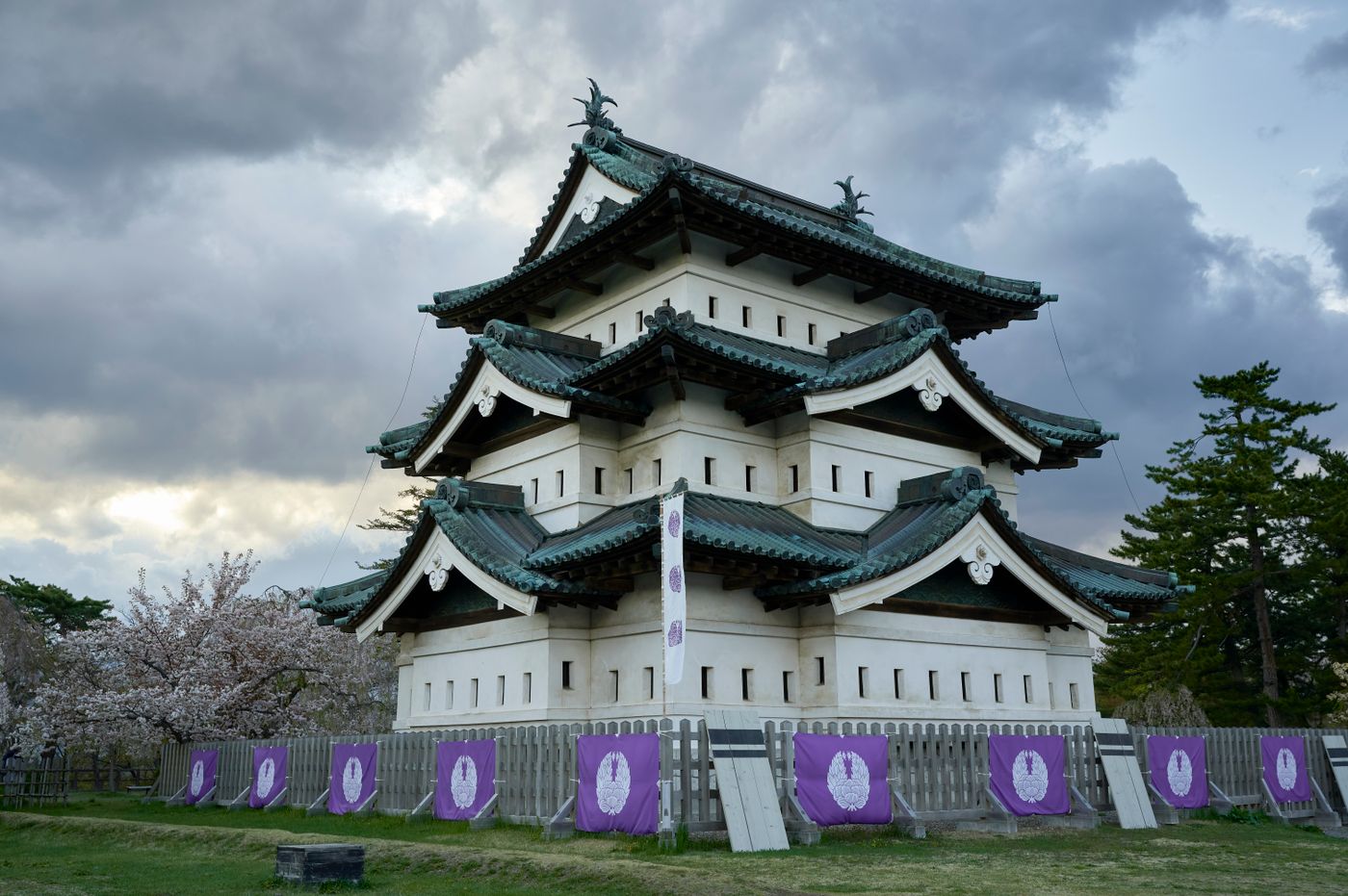
Covered extensively in the dedicated article. Peak typically late April to early May (roughly three weeks later than Tokyo). The combination of Japan's only original Tohoku castle tower, approximately 2,600 cherry trees, and the famous moat petal-carpet phenomenon makes this Tohoku's essential single sakura destination.
Kakunodate (角館), Akita — The Samurai Town
Covered in the dedicated article. Peak typically late April. The weeping cherry display along the bukeyashiki samurai district, combined with the Hinokinai River's Somei Yoshino corridor, provides two distinct cherry blossom experiences within a single small town.
Kitakami Tenshochi (北上展勝地), Iwate
Kitakami Tenshochi — a 2 km riverside park along the Kitakami River — contains approximately 10,000 cherry trees, making it one of the largest single cherry blossom concentrations in Japan. The park's scale (the trees extend along the river for the full 2 km, with the surrounding mountains visible) provides a panoramic sakura experience different in character from the more architecturally framed displays of Hirosaki or Kyoto.
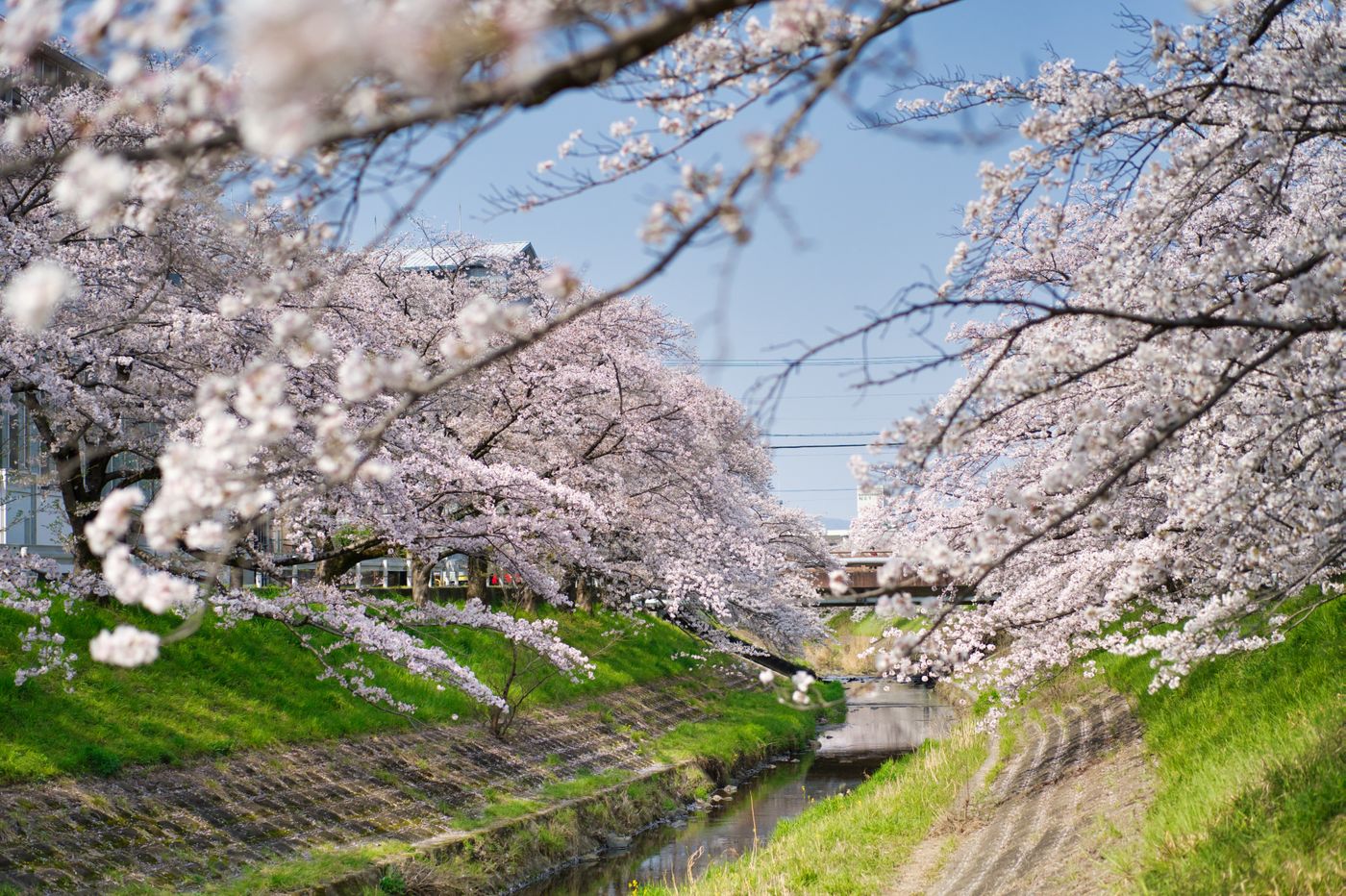
- Peak timing: Late April. Access: JR Tōhoku Main Line to Kitakami Station, then 20 minutes walk.
Hanamiyama Park (花見山公園), Fukushima
Hanamiyama — a privately maintained hillside garden near Fukushima City, open to the public free of charge by the owning family's choice — combines cherry blossom with other spring flowering trees (plum, peach, forsythia) in a hillside composition that creates a multicolor spring landscape distinct from single-species cherry displays elsewhere.
- Peak timing: Mid-April, slightly earlier than the more northern Tohoku sites.
Kakunodate's Neighbor: Lake Tazawa Area
The Lake Tazawa (田沢湖) area near Kakunodate has scattered cherry blossom viewing along its shoreline roads, combinable with a Kakunodate visit for a more complete Akita Prefecture sakura itinerary.
Why the Tohoku Timing Works for Travel Planning
Sequential travel: A visitor who experiences peak cherry blossom in Tokyo (early April) can then travel north through the following 2–3 weeks, following the sakura zensen, and experience extended cherry blossom viewing across nearly a month rather than the single 10-day window available to a Tokyo-only visit.
Combination with spring agriculture: Tohoku's late April–May cherry blossom season overlaps with the region's other spring agricultural beauty — the rice paddies are being prepared and flooded during this period, creating reflective water surfaces throughout the agricultural landscape that complement the blossom viewing.
Recommended Base Hotels
- Hirosaki Park Hotel (Mid-range / from ¥12,000): For Hirosaki Castle access — see dedicated article.
- Folkloro Kakunodate (Mid-range / from ¥12,000): For Kakunodate access — see dedicated article.
- Hotel City Plaza Kitakami (Mid-range / from ¥9,000): For Kitakami Tenshochi access.
Planning where to stay in Tohoku? Browse our honest hotel picks and area guides.
🏨 Planning where to stay?
Every area guide on this site pairs with honest, station-by-station hotel picks. Start here: Kumamoto Hotel Guides →