
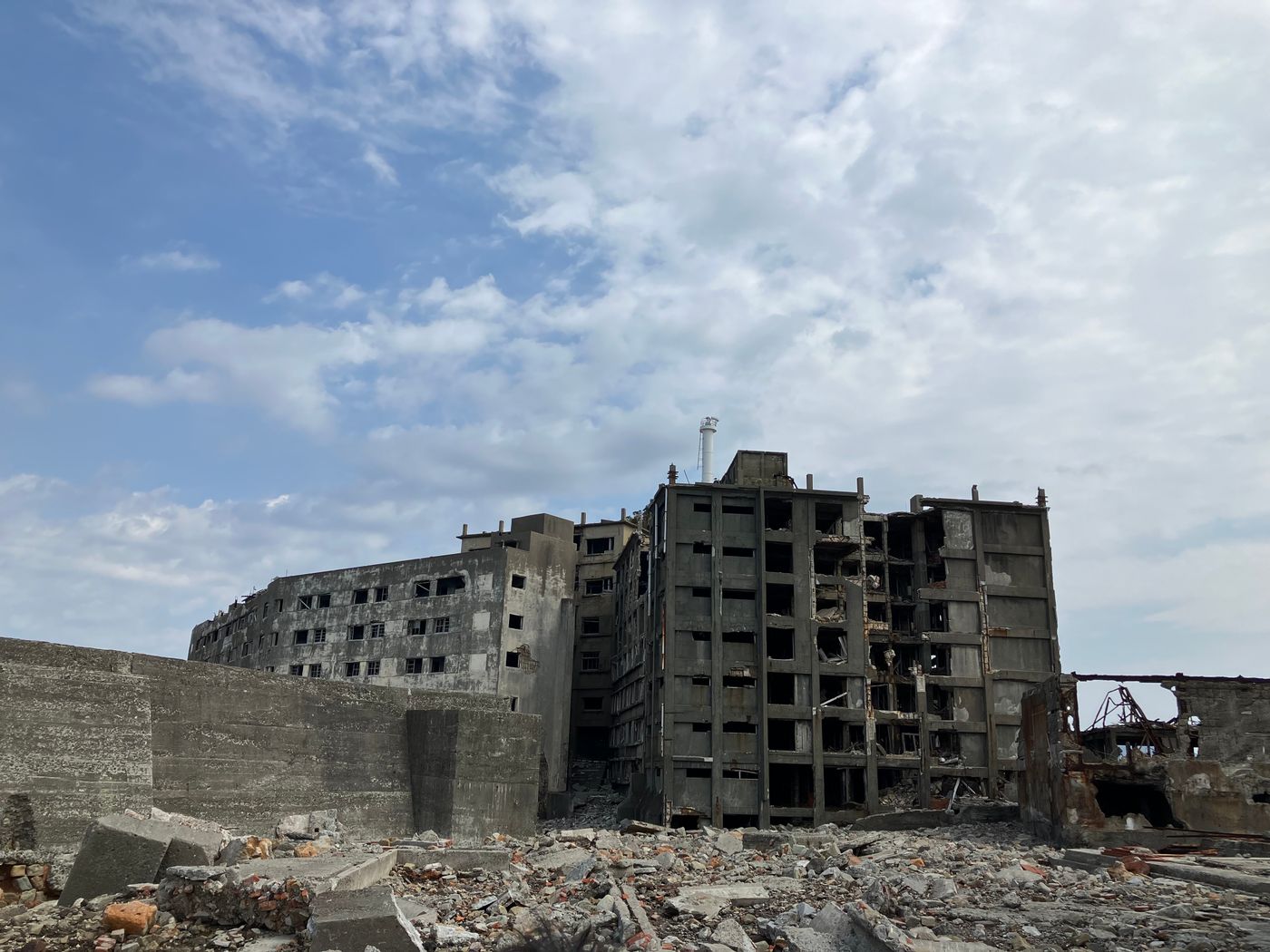
Gunkanjima (Battleship Island): The Abandoned Coal Island Off Nagasaki
Hashima Island (端島) — universally known as Gunkanjima (軍艦島 / "Battleship Island") for its profile when approached by…
Read more →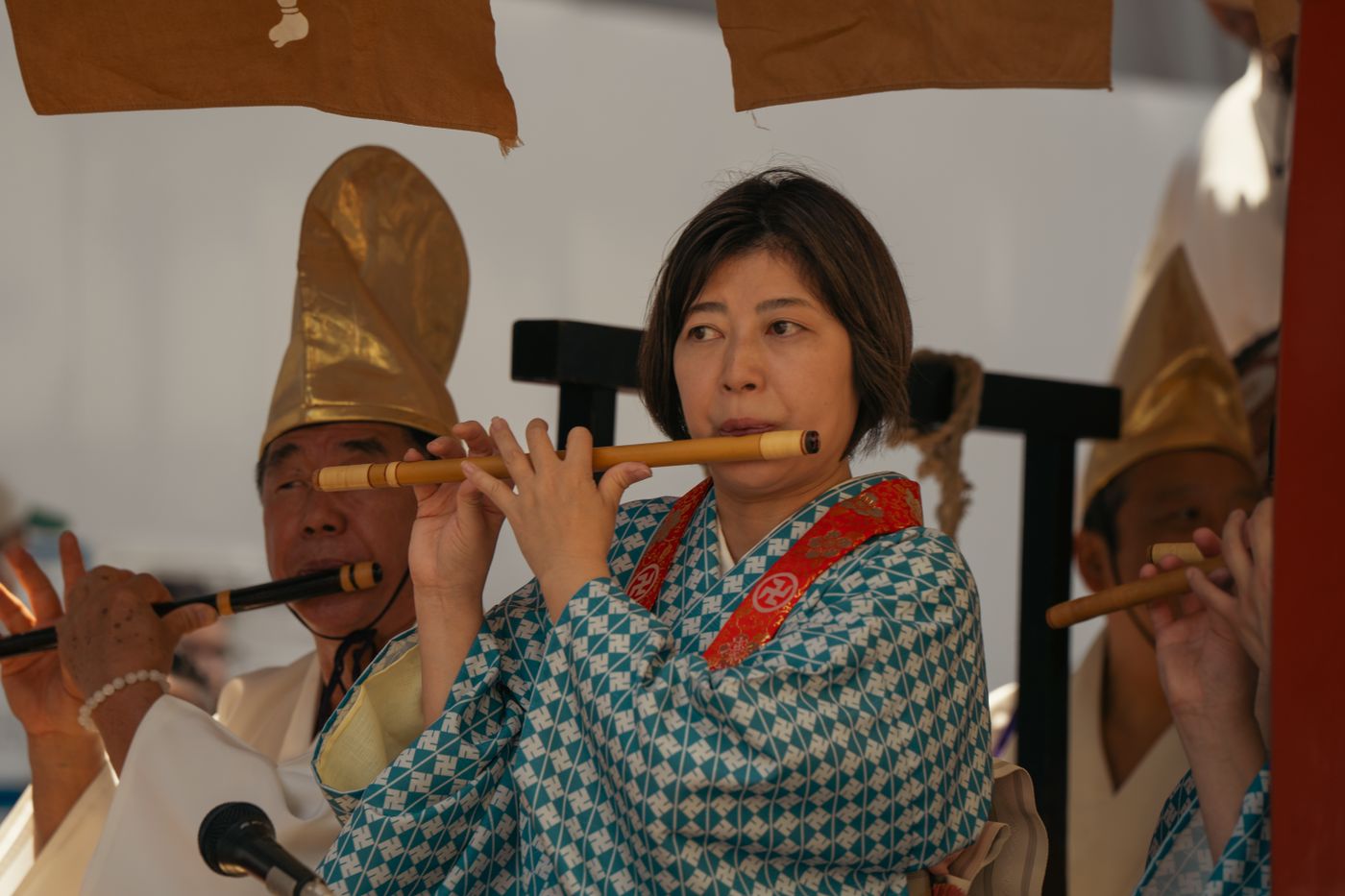
Attending a Real Japanese Festival: Awa Odori Dance Experience (Tokushima)
For four days every August — specifically August 12th through 15th — the city of Tokushima (徳島) on…
Read more →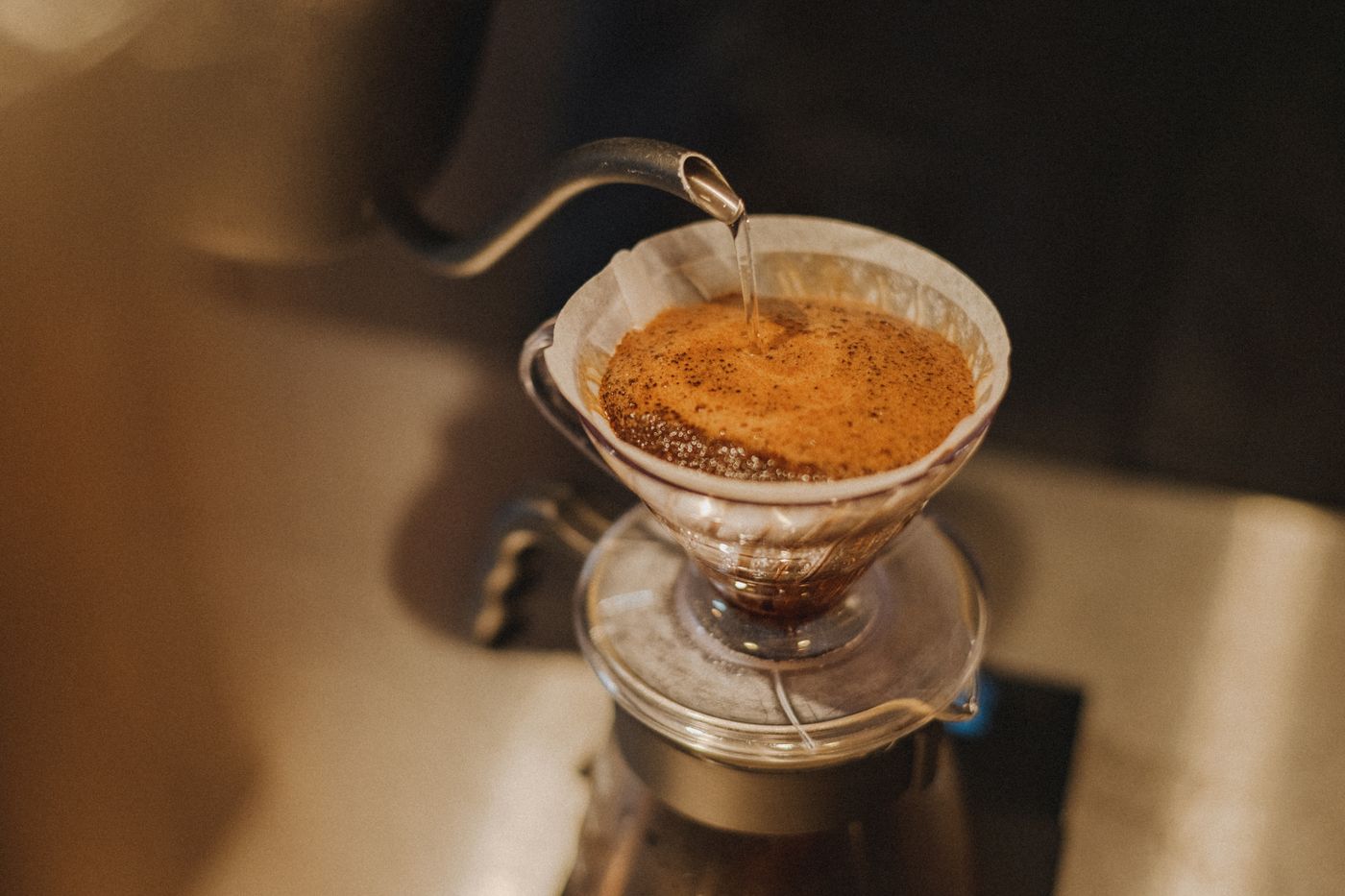
Coffee Culture in Tokyo: The Third Wave, the Kissaten & the Can Coffee
Tokyo has three simultaneously active coffee cultures that exist in parallel, largely without interacting, serving different demographics with…
Read more →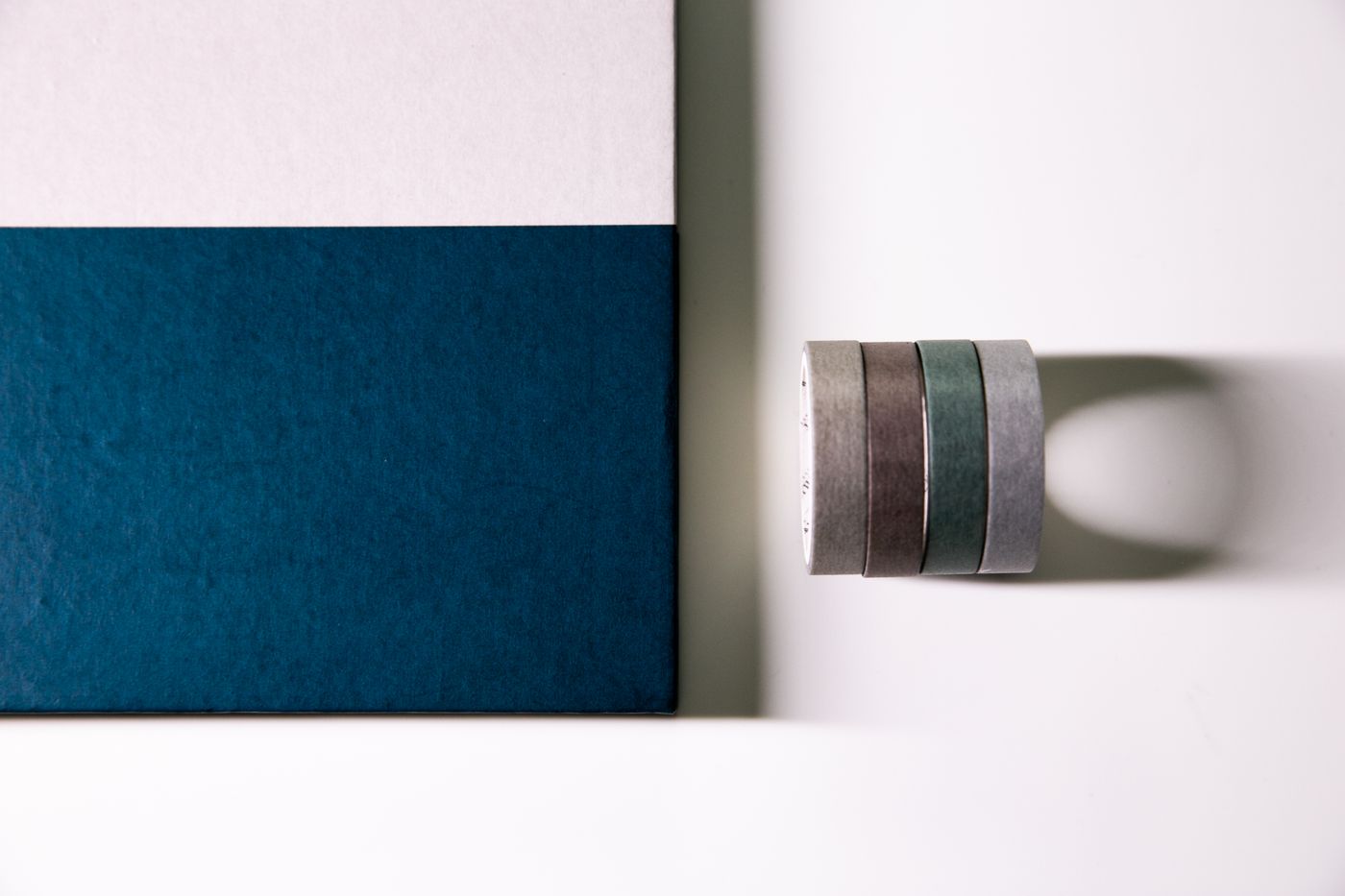
Echizen Washi Paper: How Japan’s 1,500-Year-Old Papermaking Survives
Echizen washi (越前和紙) — traditional Japanese paper produced in the Imadate area (今立地区) of Echizen City, Fukui Prefecture…
Read more →
Edo-Tokyo Open Air Architectural Museum: Tokyo’s Preserved Buildings
Edo-Tokyo Open Air Architectural Museum (江戸東京たてもの園) — located within Koganei Park in western Tokyo — is the most…
Read more →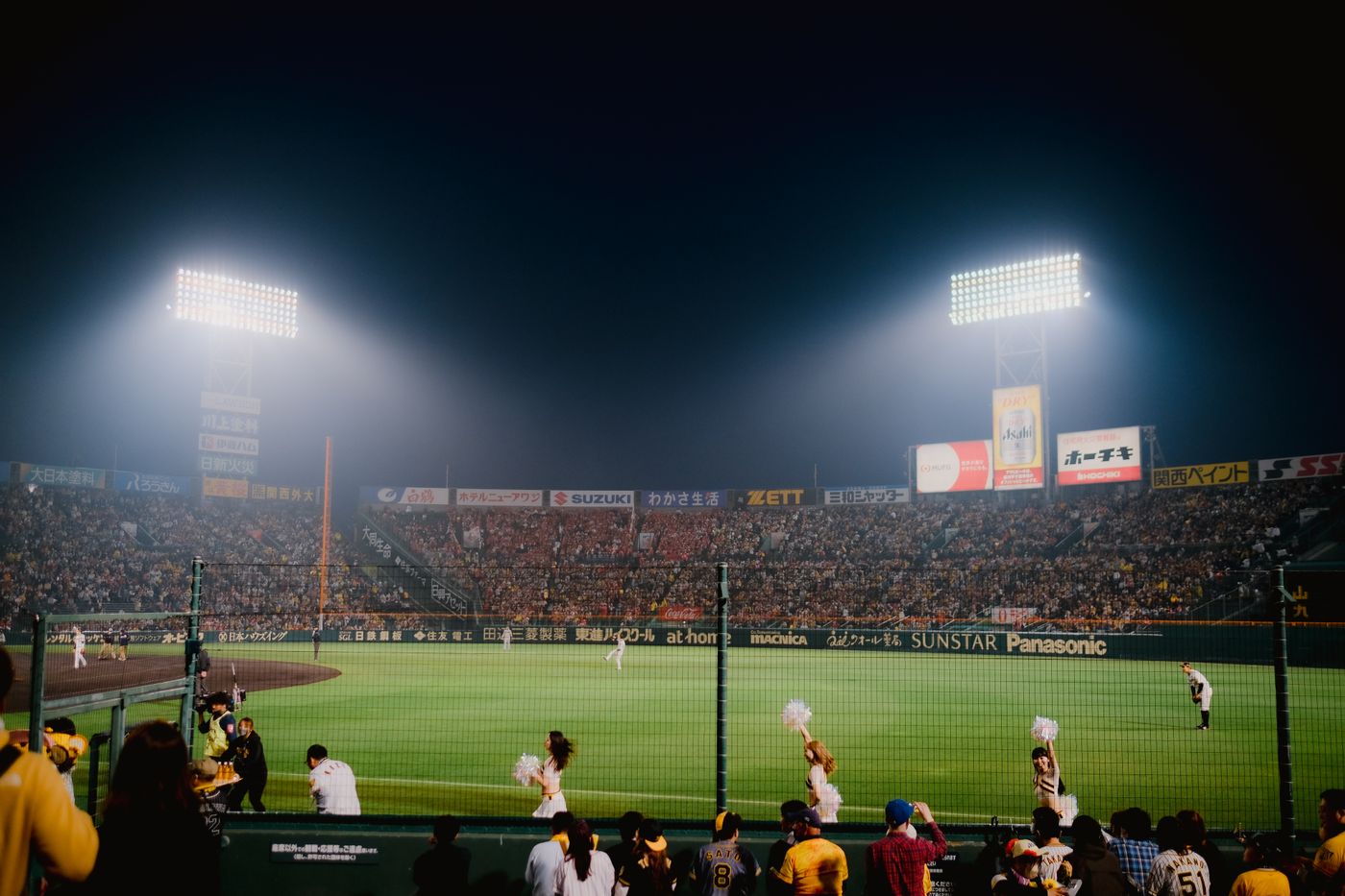
A Night at a Real Baseball Game in Japan: Fan Culture & Cheering Sections
Japanese baseball fans are, by international comparison, extraordinary. In a country known for reserved public behavior, the baseball…
Read more →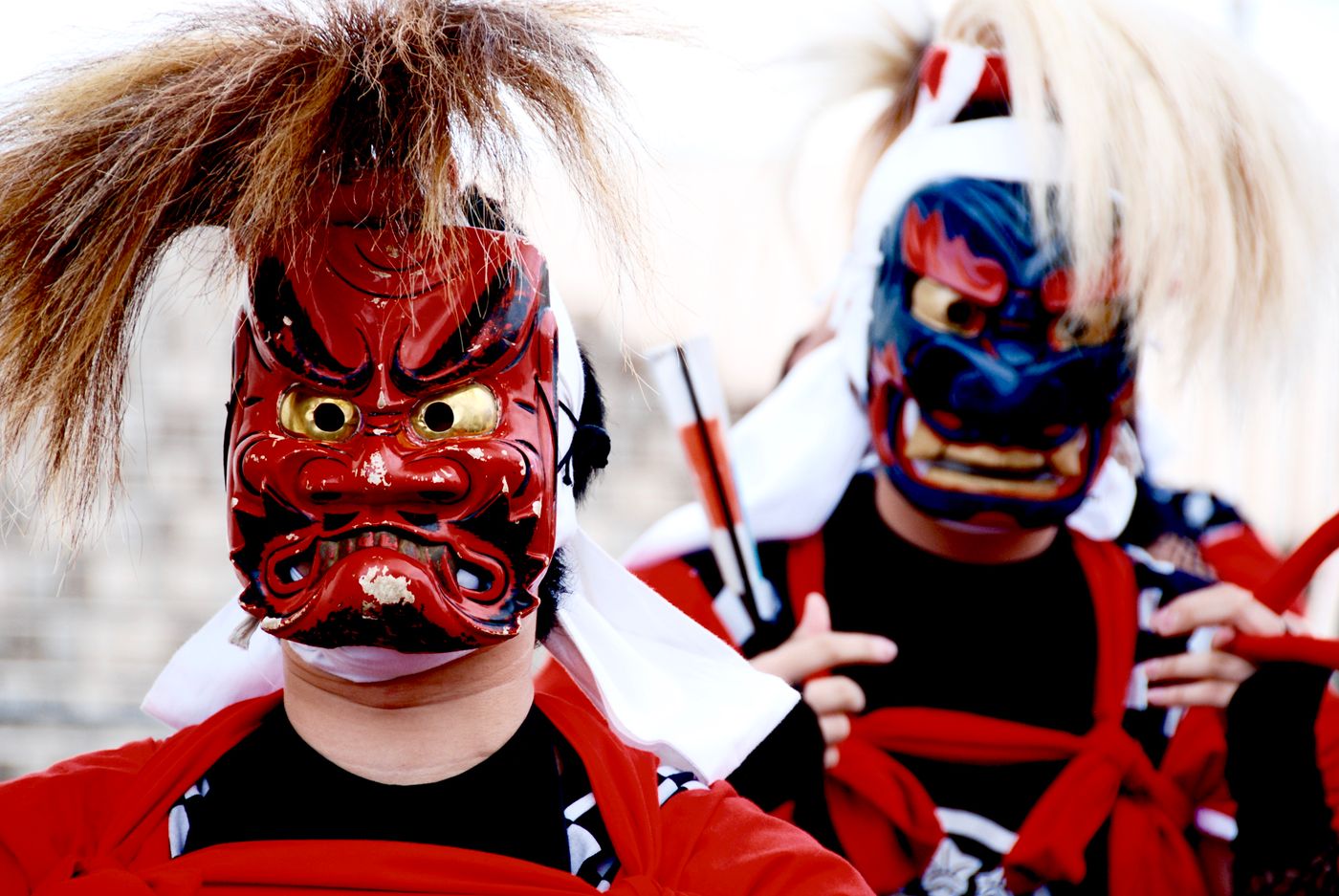
Akita Namahage Festival: The Demon-Faced Ritual That Still Terrifies Children
On New Year's Eve (大晦日 / Ōmisoka) in the villages of the Oga Peninsula (男鹿半島) in Akita Prefecture,…
Read more →
Aokigahara (Sea of Trees): What It Actually Is — A Sensitive Guide
Aokigahara (青木ヶ原) — the dense forest at the northwestern base of Mount Fuji, also known as Jukai (樹海…
Read more →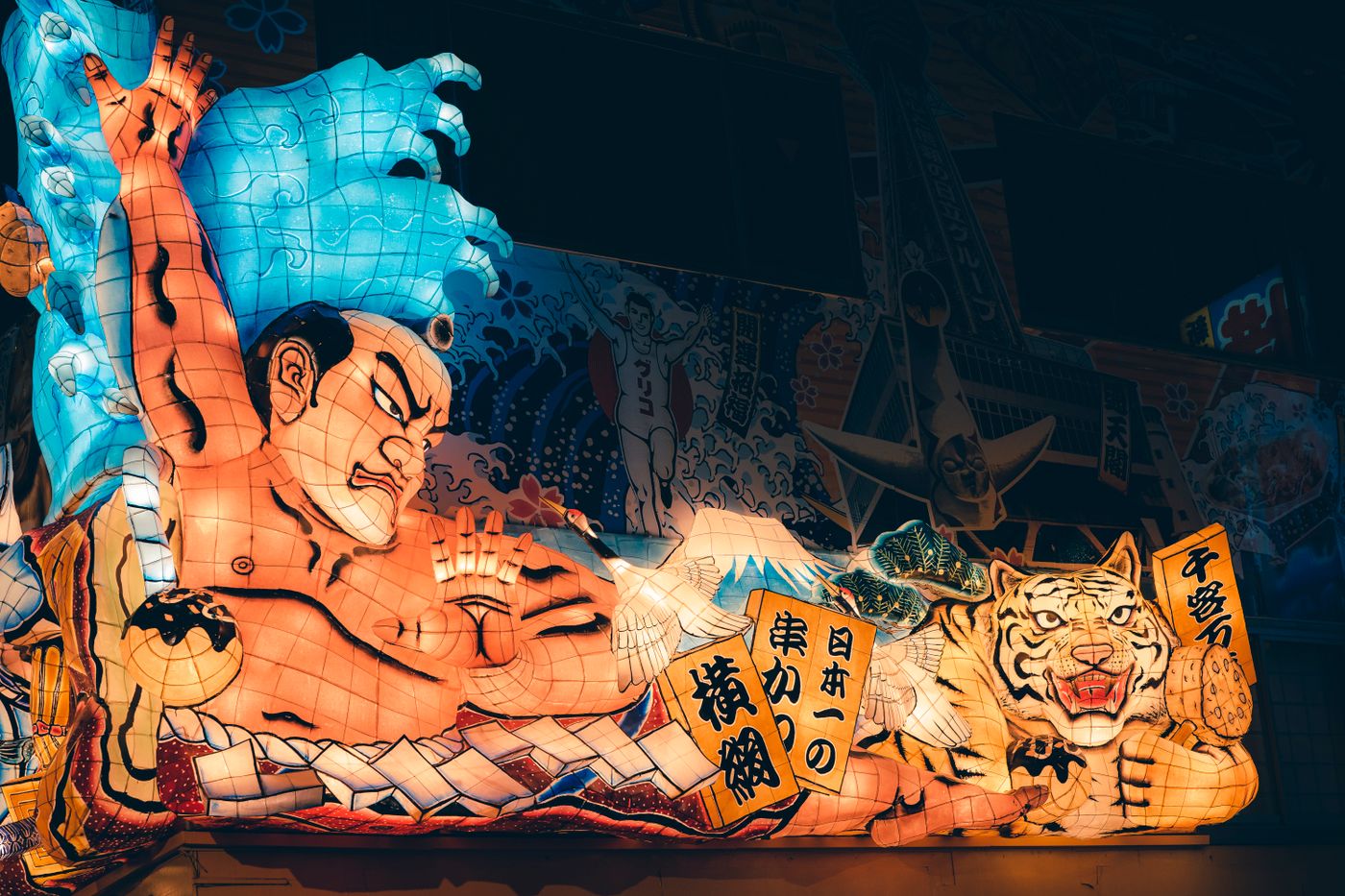
Aomori Nebuta Festival: The Giant Lantern Float Parade That Lights Up August
On the evenings of August 2nd through 7th each year, the streets of Aomori City (青森市) are taken…
Read more →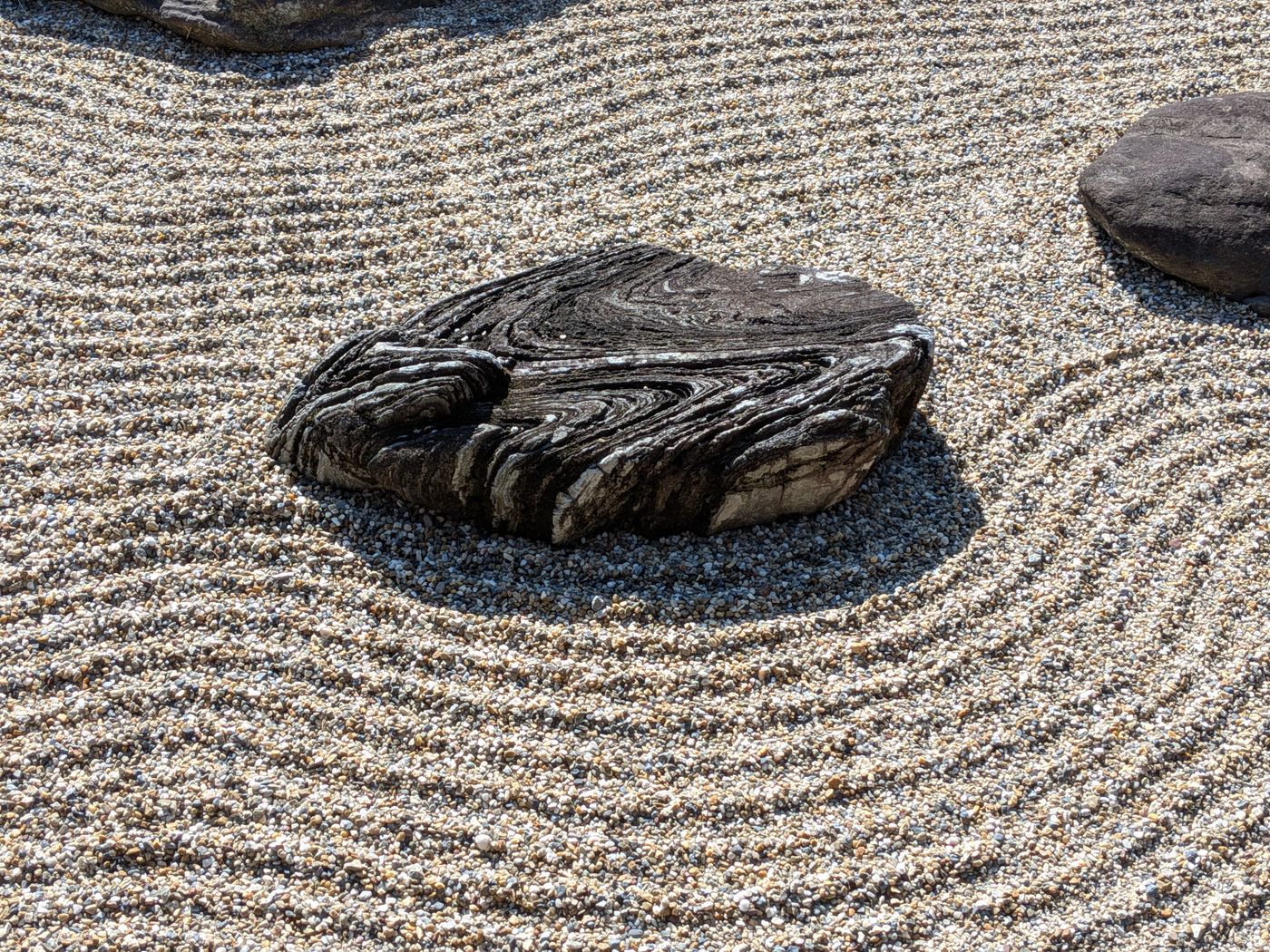
Zen Gardens and Meditation in Japan: Understanding Karesansui and Where to Experience Zen
Fifteen rocks on a bed of raked white gravel. No pond, no flowers, almost no color. And yet…
Read more →