This article may contain affiliate links. If you book through them, we may earn a small commission at no extra cost to you.
On this page
- Introduction: Ueno Is Crowded for a Reason — Here's Where Else to Go
- For the Canal Experience: Nakameguro
- For the Moat Reflection: Chidorigafuchi
- For the Picnic Atmosphere: Yoyogi Park
- For the Formal Garden Setting: Shinjuku Gyoen
- For the Castle Backdrop: Sumida Park and the Skytree View
- For the Local Neighborhood Experience: Koganei Park and Tamagawa Josui
- For the Aristocratic Garden: Rikugien
Introduction: Ueno Is Crowded for a Reason — Here's Where Else to Go
Ueno Park (上野公園) is Tokyo's most famous cherry blossom destination — approximately 1,000 trees along the park's central avenue, a 150-year tradition of hanami (花見 / flower viewing) parties, and a crowd density during peak bloom that makes the experience as much about navigating people as appreciating blossoms.
Ueno deserves its reputation, but Tokyo has dozens of cherry blossom locations that provide comparable or superior visual experiences with a fraction of the crowd. This guide covers the best alternatives, organized by what makes each one distinctive.
For the Canal Experience: Nakameguro
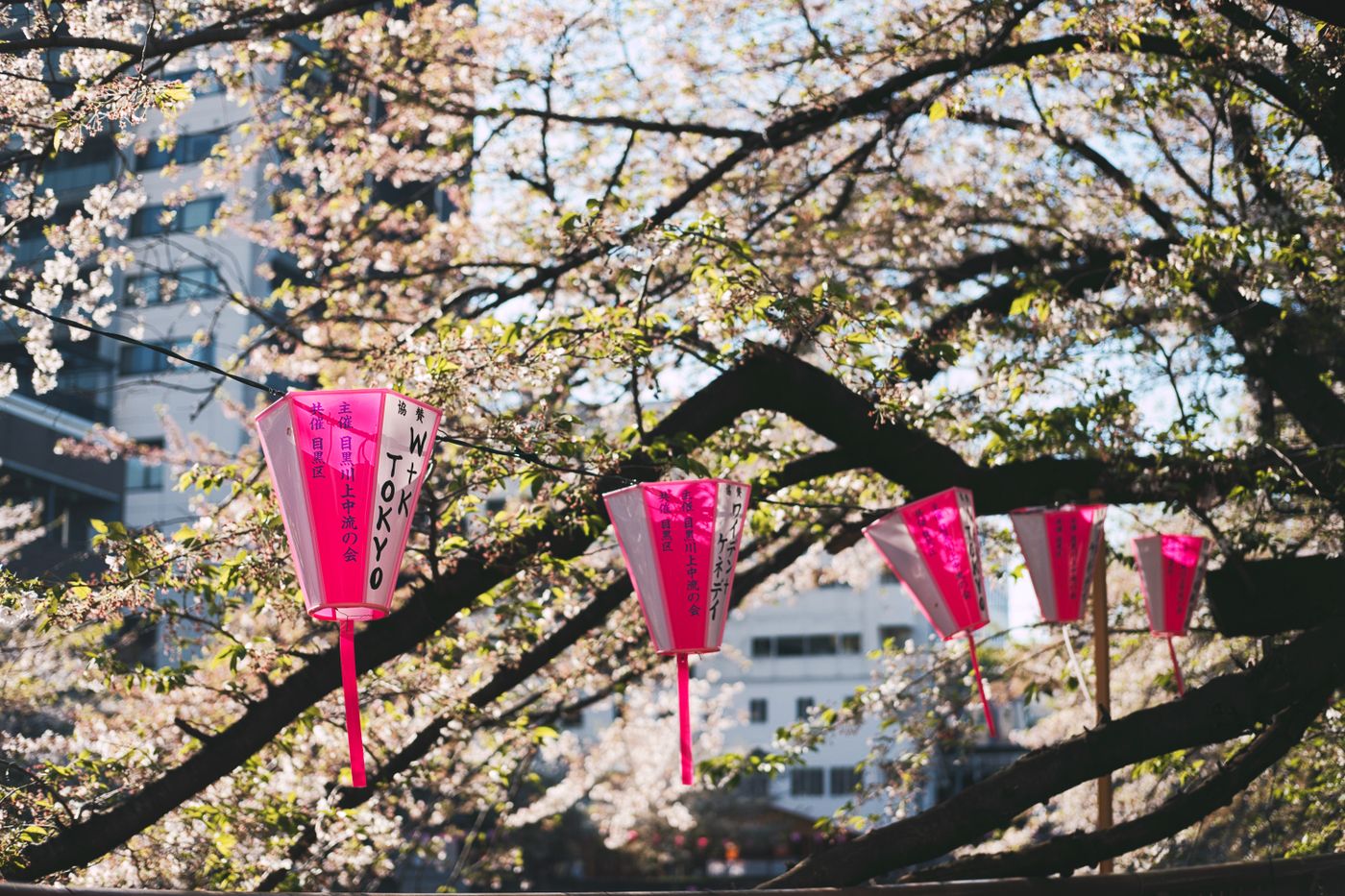
Already covered in the dedicated Nakameguro article — the Meguro River canal walk with 800 cherry trees forming a blossom tunnel is, for many Tokyo residents, the city's single finest hanami location. The evening illumination period makes it particularly compelling for visitors who can only manage a single Tokyo cherry blossom destination.
For the Moat Reflection: Chidorigafuchi
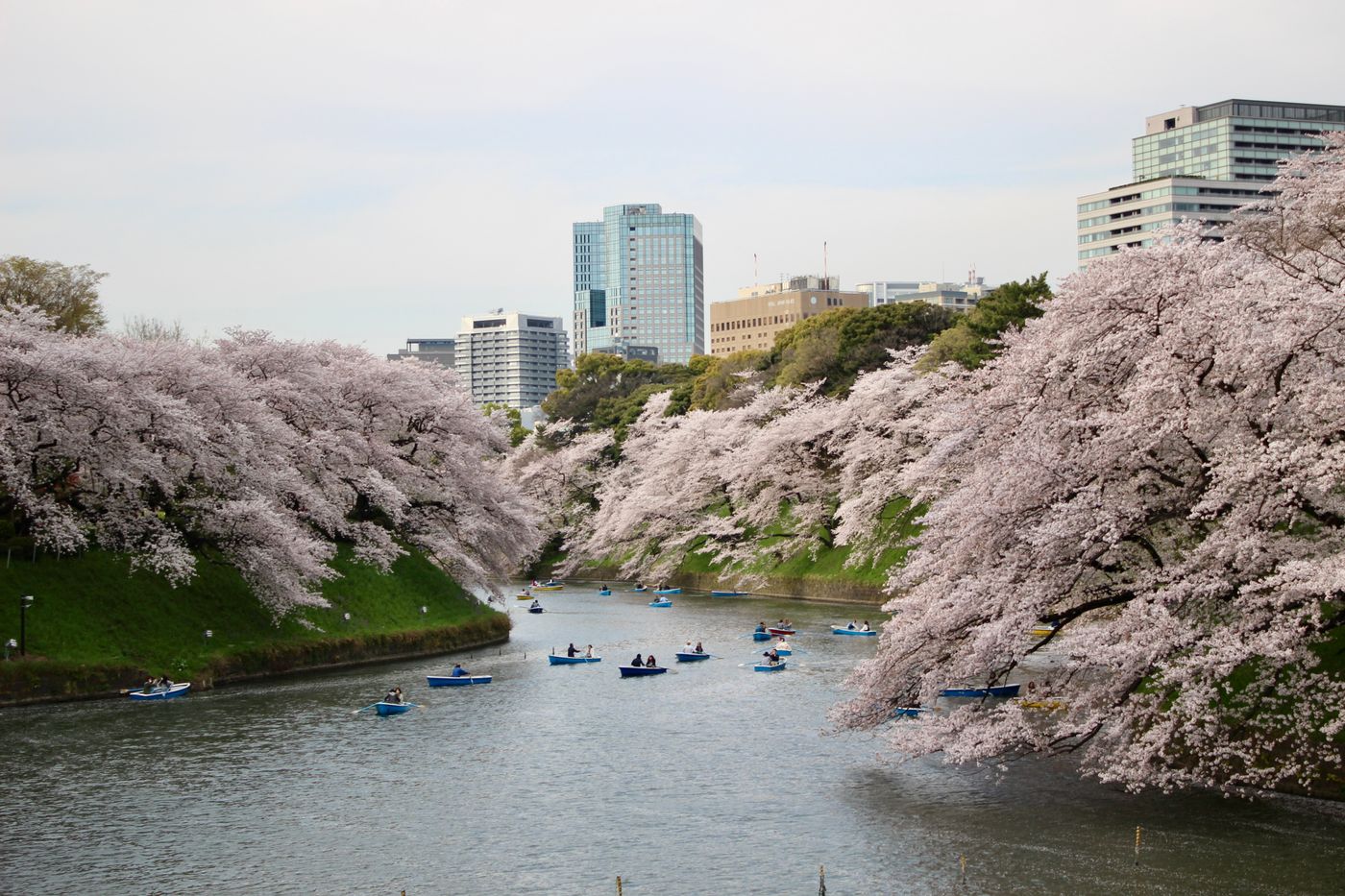
Chidorigafuchi (千鳥ヶ淵) — the moat surrounding the northwestern section of the Imperial Palace — is widely considered Tokyo's most beautiful cherry blossom location by serious photographers and locals who avoid Ueno specifically because of Chidorigafuchi's superior visual composition.
What makes it special: Approximately 260 cherry trees line the moat, their branches overhanging the water. Rowboat rental (¥800 per 30 minutes normally — roughly double during the blossom period) allows visitors to paddle beneath the overhanging blossoms — a perspective unavailable from any other major Tokyo hanami site. The reflection of the trees and the stone walls of the old castle moat in the still water produces the single most photographed cherry blossom composition in Tokyo.
Timing: Arrive before 8:00 AM for the rowboats (queue forms early) or in the evening for the illumination (ライトアップ), which runs through the peak bloom period and creates a dramatically different night version of the same scene.
- Access: Tokyo Metro Hanzomon/Tozai/Toei Shinjuku Line: Kudanshita Station.
For the Picnic Atmosphere: Yoyogi Park
Yoyogi Park (代々木公園) — adjacent to Meiji Shrine and Harajuku — provides the most spacious and least architecturally formal hanami experience in central Tokyo. The park's open lawns beneath cherry trees accommodate the traditional hanami picnic (blue tarp, food, drinks, extended occupancy) without the density pressure of Ueno's narrower pathways.
Best for: Groups planning an extended hanami party rather than a brief viewing walk. The atmosphere is genuinely festive — live music, organized groups, families — and significantly more relaxed than Ueno's walking-crowd density.
For the Formal Garden Setting: Shinjuku Gyoen
Shinjuku Gyoen National Garden (新宿御苑) — an entry-fee garden (¥500) that excludes the alcohol-fueled party atmosphere common to free public parks — provides Tokyo's most refined cherry blossom viewing experience. The garden's approximately 1,000 cherry trees of over 65 varieties bloom in sequence over a longer period than most single-location hanami sites, extending the viewing window to nearly a month.
The entry fee advantage: The ¥500 admission filters the crowd toward visitors specifically seeking a quiet, contemplative cherry blossom experience — no loud parties, no alcohol, a managed and pleasant atmosphere even during peak bloom weekends.
- Access: Tokyo Metro Marunouchi Line: Shinjuku-gyoenmae Station.
For the Castle Backdrop: Sumida Park and the Skytree View
Sumida Park (隅田公園) — along the Sumida River near Asakusa — combines approximately 600 cherry trees with views of Tokyo Skytree rising behind them. The riverside walk and the specific juxtaposition of traditional sakura with contemporary architecture provides a Tokyo-specific composition unavailable elsewhere.
The river cruise option: Sumida River sightseeing boats run cherry blossom season specials — viewing the blossom from the water provides a perspective complementary to the riverside walk.
For the Local Neighborhood Experience: Koganei Park and Tamagawa Josui
As described in the dedicated Koganei/Musashino article — the Tamagawa Josui aqueduct's cherry blossom display, with approximately 1,500 trees, is essentially unknown outside the local community and provides the most genuinely uncrowded major cherry blossom experience in the Tokyo metropolitan area.
For the Aristocratic Garden: Rikugien
Rikugien Garden (六義園) — a Edo-period stroll garden in Bunkyo Ward — features a single, enormous weeping cherry tree (しだれ桜 / shidarezakura) near the entrance that is illuminated at night during peak bloom. Unlike the mass-planting hanami sites, Rikugien's approach is the appreciation of a single specimen tree of exceptional age and form — a different mode of cherry blossom engagement entirely.
Planning where to stay in Tokyo? Browse our honest hotel picks and area guides.
🏨 Planning where to stay?
Every area guide on this site pairs with honest, station-by-station hotel picks. Start here: Tokyo Hotel Guides →