This article may contain affiliate links. If you book through them, we may earn a small commission at no extra cost to you.
On this page
Introduction: The Eel That Carries a Tradition
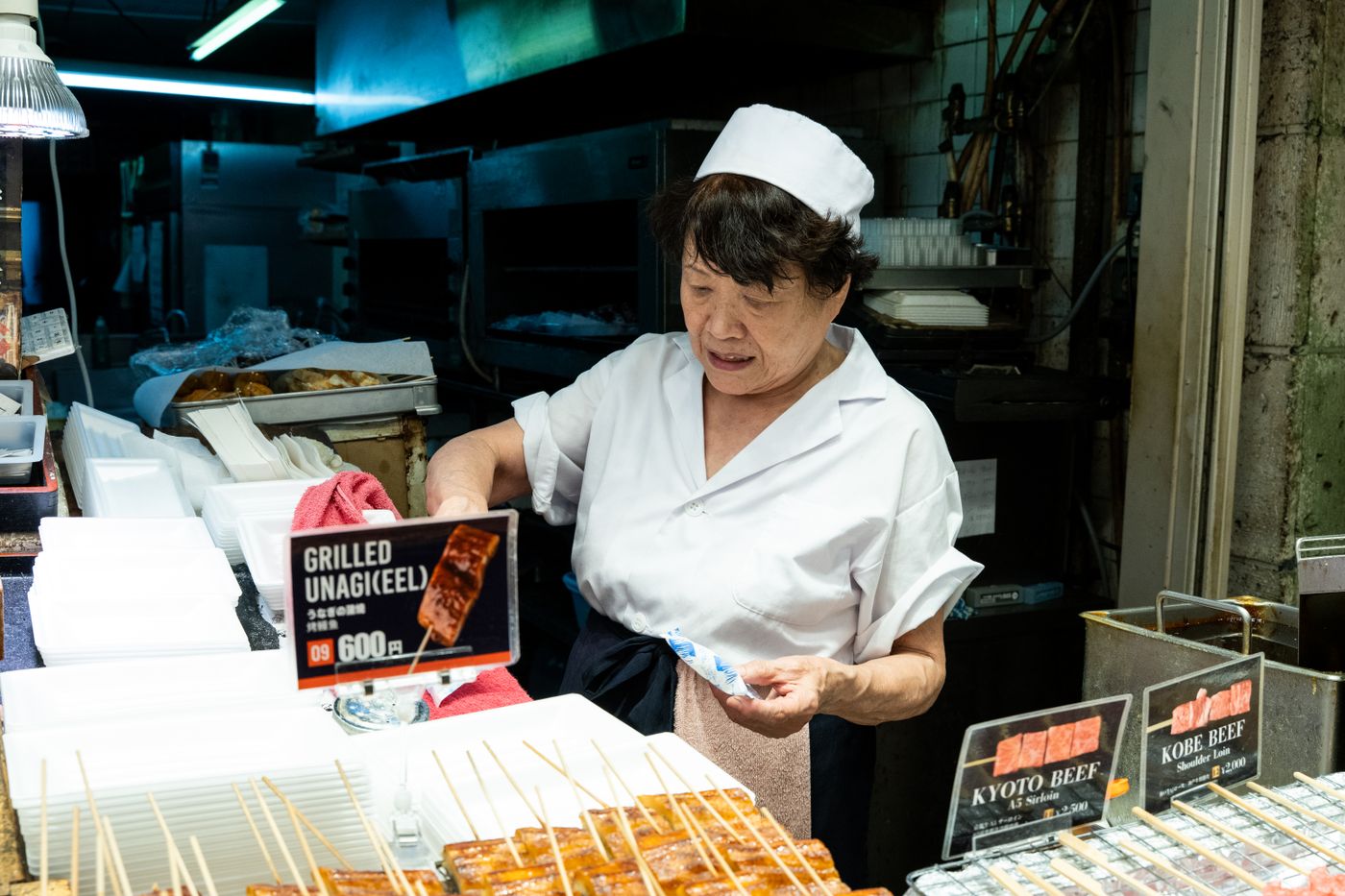
Unagi (鰻 / freshwater eel) occupies an unusual position in Japanese food culture — simultaneously a highly refined kaiseki ingredient, a nutritional prescription for summer heat, a disappearing wild species, and one of the most deeply pleasurable single-dish experiences available in the country. The relationship between Japan and unagi is old, economically significant, and increasingly complicated by the eel's endangered status.
The Japanese eel (ニホンウナギ / Anguilla japonica) has been classified as endangered by the IUCN since 2014. The wild eel population in Japanese rivers has declined by approximately 70% since the 1970s. Virtually all commercially served unagi in Japan is now farmed — the larvae caught from rivers (wild eel does not breed in captivity) and raised in aquaculture facilities. The sustainability question is genuine and unresolved; visiting Japan and eating unagi is a decision each traveler makes with awareness of this context.
The Summer Tradition: Doyo no Ushi no Hi
Doyo no Ushi no Hi (土用の丑の日) — the "Midsummer Ox Day," falling in late July — is the traditional day for eating unagi in Japan. The custom originates in a marketing campaign attributed to Hiraga Gennai (平賀源内) in the Edo period (though the story may be apocryphal): when an eel restaurant was struggling to attract customers in summer (unagi was traditionally considered a cold-weather food), he recommended posting a sign connecting eel consumption to stamina in the summer heat.
The association between unagi and summer energy has persisted for 250 years — Japan now sells approximately 100 million eel servings around Doyo no Ushi no Hi annually, which also represents the period when premium unagi is at its most widely available and when the best restaurants receive their finest stock.
Kanto vs Kansai: The Two Preparation Styles
Japan's two major eel preparation traditions differ in a specific technical step that produces a meaningfully different result:
Kanto style (関東風 / mushi approach): The eel is split from the back, skewered, briefly grilled to remove excess fat, then steamed (蒸し / mushi) for 20–30 minutes, then grilled again with the tare (sauce). The steaming renders additional fat and produces a texture that is softer, more yielding, and less charred than the Kansai style.
Kansai style (関西風 / direct approach): The eel is split from the belly (considered unlucky in Edo/Tokyo, where eel preparation aesthetics are influenced by the samurai class's avoidance of "hara-kiri" — belly cutting), then grilled directly over charcoal without steaming. The result is crispier skin, more developed char flavor, and a denser texture.
The debate between adherents of both styles is real and ongoing — neither is objectively superior, and the preference reflects the broader Kanto-Kansai divide in Japanese food sensibility.
Key Preparations
Kabayaki (蒲焼き): Grilled eel with tare — the standard preparation. The tare (each restaurant guards their recipe; the best have been maintained for generations, each application of eel juices and sauce building depth in the pot over years) caramelizes on the eel's surface in a glaze of exceptional complexity.
Unaju (鰻重): Kabayaki eel served over rice in a lacquer box — the visual of the glazed eel against the white rice in the wooden box is one of Japanese food culture's most iconic presentations.
Hitsumabushi (ひつまぶし): The Nagoya preparation — chopped eel over rice in a wooden tub, eaten three ways as described in the Nagoya food article.
Shirayaki (白焼き): White-grilled eel — without tare, showcasing the eel's natural flavor. More difficult to find; appreciated by those who find the tare's sweetness overwhelming.
Recommended Restaurants
Nodaiwa (野田岩), Azabu-Juban, Tokyo: Operating since 1850 — the oldest and most historically significant unagi restaurant in Tokyo. Kanto-style preparation; reservation essential for lunch and dinner.
Obana (尾花), Minami-Senju, Tokyo: Among the most celebrated unagi houses in Tokyo — no reservations are taken, so join the queue before opening. Worth the effort.
Hitsumabushi Bincho (ひつまぶし備長): Multiple Tokyo locations serving the Nagoya three-way hitsumabushi preparation — the most accessible high-quality unagi experience in the city.
Planning where to stay in Kanto? Browse our honest hotel picks and area guides.
🏨 Planning where to stay?
Every area guide on this site pairs with honest, station-by-station hotel picks. Start here: Kumamoto Hotel Guides →