This article may contain affiliate links. If you book through them, we may earn a small commission at no extra cost to you.
On this page
Introduction: The Most Consequential 50 Years in Japanese History
In 1853, the American Commodore Matthew Perry sailed four warships into Edo Bay and demanded that Japan open its ports to American trade — ending 250 years of the Tokugawa shogunate's managed isolation policy. The crisis of response to this demand triggered a political revolution: the overthrow of the Tokugawa shogunate, the restoration of imperial rule under the young Emperor Meiji, and the most deliberate national modernization in history — Japan's transformation from a feudal agricultural society to an industrialized nation-state in approximately 50 years (1868–1912).
The Meiji Restoration's physical traces are distributed across Japan in ways that allow the story to be followed as a geography as much as a history — the treaty ports where Japan first opened to foreign influence, the government buildings where new national institutions were established, the factories where new industries were created, and the small towns that were temporarily the sites of significant historical events before the capital of attention moved on.
Yokohama: Where Japan First Opened
Yokohama (横浜) — now Japan's second-largest city by population — was, in 1853, a small fishing village. Its transformation into Japan's first major international treaty port following the Convention of Kanagawa (1854) and the Harris Treaty (1858) made it the physical gateway through which Western commerce, culture, technology, and ideas entered Japan during the Meiji period.
The Yamate / Bluff area (山手 / ブラフ): The hillside district above Yokohama's port where the foreign merchant community settled in the Meiji period — the surviving Western-style houses here (several preserved as the Yamate Western Houses / 山手西洋館) represent Japan's earliest domestic experience of Western architectural styles.
The Kannai district (関内): The original foreign settlement area — the surviving buildings of the Meiji period, including the Yokohama Port Opening Memorial Hall (横浜開港記念会館) and the Prefectural Administration Building (神奈川県庁), provide the most complete surviving streetscape of Meiji-era international commerce architecture.
The Yokohama Museum of History (横浜歴史博物館) and Silk Museum (シルク博物館): Silk was the key commodity through which Yokohama's international commerce operated — Japan's silk exports, handled through Yokohama, financed much of the early Meiji modernization program.
Tokyo: The Meiji Capital's Surviving Traces
The Meiji government's physical transformation of Edo into Tokyo was deliberately symbolic as well as practical — Westernization of the capital's architecture was itself a statement about national direction.
The Diet Building (国会議事堂): The seat of Japan's parliament, established by the Meiji Constitution of 1889 (which created Japan's first modern constitutional government) — the current building (1936) replaced the original.
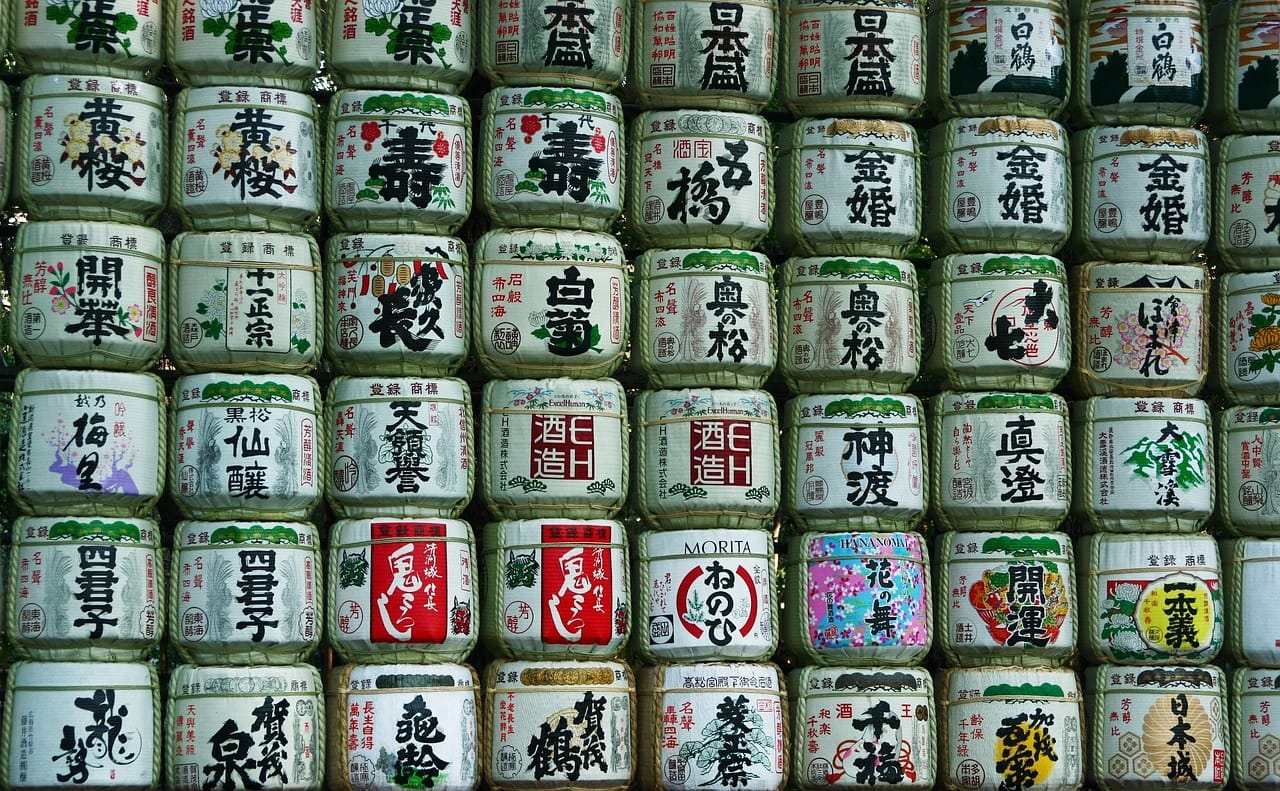
The Meiji Jingu (明治神宮): The shrine dedicated to Emperor Meiji and Empress Shoken, built after the emperor's death in 1912 — the forest surrounding it was entirely planted by human effort, an accomplishment that reflects both the dedication to the imperial memory and the practical determination that characterizes Meiji-era projects.
Rokumeikan (鹿鳴館): Now demolished — the famous Western-style social hall built in 1883 where the Meiji government hosted Western diplomats and promoted Western social customs (ballroom dancing, formal Western dinner parties) as a deliberate strategy of projecting civilized modernity. The extreme self-conscious adoption of Western cultural forms at the Rokumeikan became a symbol, and eventually a satirized symbol, of the Meiji period's complicated relationship with Western civilization.
Tsuwano: The Christian Persecution and the Small-Town Story
Tsuwano (津和野) — a small mountain town in Shimane Prefecture (covered in the dedicated article) — is connected to the Meiji Restoration's darkest episode: the persecution of the Urakami Christians in 1868.
When the Meiji government restored direct imperial rule, it simultaneously reasserted Shinto as the national religion and renewed persecution of Christians — a position forced into reversal by international diplomatic pressure in 1873. As part of the brief persecution, the approximately 3,000 discovered hidden Christians of Urakami were dispersed to domains across Japan under house arrest, with approximately 150 Christians transported to Tsuwano, where they were subjected to conversion pressure that killed 36 of them between 1868 and 1873.
The Otome Tōge (乙女峠 / Virgin's Pass): The mountain pass above Tsuwano where the persecution of the transported Urakami Christians was concentrated — a memorial chapel now stands at the pass, one of the most historically specific Christian persecution memorial sites in Japan.
Nagasaki and the Modernization Entry Points
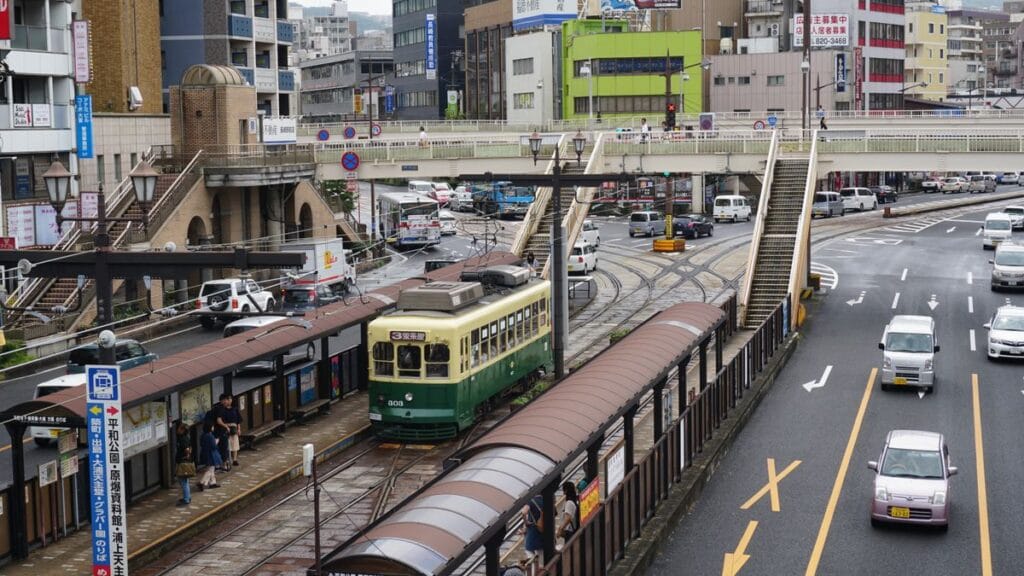
Nagasaki's specific role in the Meiji modernization story relates to its preceding status as Japan's only officially permitted point of foreign contact during the Edo period — the Dutch trading post on the artificial island of Dejima (出島) had maintained Japan's one permitted channel of Western scientific and commercial knowledge through the entire isolation period.
Dejima (出島): The fan-shaped artificial island in Nagasaki harbor — now reconstructed within the modern city — where Dutch traders were restricted throughout the Edo period and from which Rangaku (蘭学 / Dutch learning) — Japanese study of Western science, medicine, and technology through Dutch sources — developed. The advance preparation provided by Rangaku gave Japan's Meiji-period modernizers a significant head start in understanding the Western scientific and technological base they were adopting.
Planning where to stay in Kanto? Browse our honest hotel picks and area guides.
🏨 Planning where to stay?
Every area guide on this site pairs with honest, station-by-station hotel picks. Start here: Kanagawa Hotel Guides →