This article may contain affiliate links. If you book through them, we may earn a small commission at no extra cost to you.
Ghibli Real Locations · Ponyo
Ponyo: The Ancient Port Town
Where the Story Was Born
Tomonoura, Hiroshima — Japan’s Most Intact Edo-Era Harbor Town
⛵ Tomonoura — where Miyazaki conceived Ponyo
🏮 Edo-era stone lantern & harbor walls
🚢 Sensuijima ferry — 5-minute island crossing
🐟 Tai (sea bream) — the Seto Inland Sea’s finest
On this page
The Port That Gave Ponyo Its Soul
Miyazaki first visited Tomonoura in 2004 and stayed for an extended period, walking its streets and watching the tidal currents of the Tomo Strait. Ponyo (2008) was conceived here. The connection is not background reference — the town’s specific character (its age, its position at the edge of the sea, its sense of something older than the modern world continuing beneath the surface) is the emotional setting of the film.
Tomonoura is the only harbor in Japan where the complete five elements of a traditional Edo-period port — joyato (stone lighthouse), gangi (stepped stone landing), hatoba (breakwater), tadeba (ship-repair dock), and funaban-sho (harbor checkpoint) — survive together. This completeness is what makes it a National Important Traditional Building Preservation District. And it is this completeness that makes it feel, even now, like a harbor outside ordinary time.
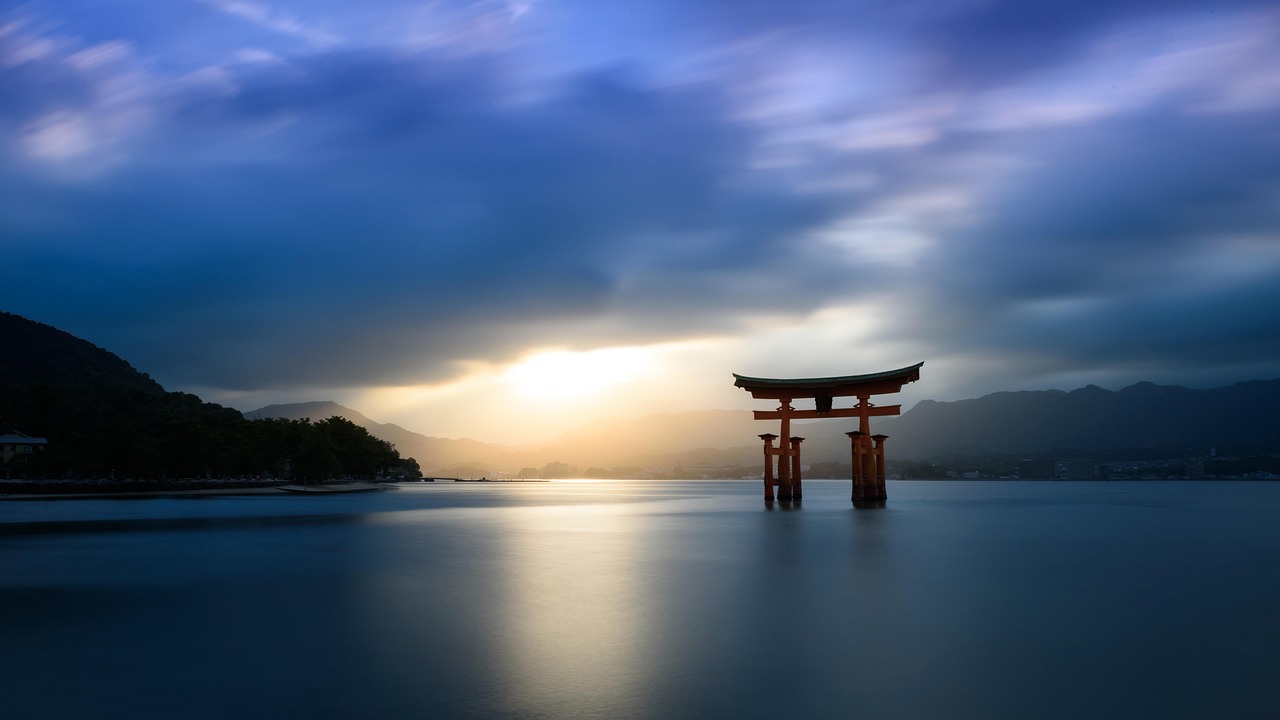
At dusk, when the joyato lantern is lit and the Seto Inland Sea turns copper, Tomonoura is the most purely beautiful small port in Japan. Miyazaki saw it. You can see it too.
Getting There & What to See
Access: ~30 min by bus from Fukuyama Station (JR Sanyo Shinkansen) to Tomonoura
🏮 Joyato (Stone Lighthouse) & Historic Harbor
The harbor’s defining landmark: a stone lighthouse from the late Edo period, standing at the harbor entrance as it has for 200 years. At dusk, when the light illuminates and the fishing boats rest against the gangi (stepped stone landings), the harbor produces the precise image of Sosuke’s seaside town. This is the scene that appears in the film’s establishing shots.
⛵ Sensui-jima Island (Ferry Crossing)
A five-minute ferry crossing from the harbor reaches Sensui-jima — a small island with rocky shores and clear Seto Inland Sea water. The transparency of the water here, the rock formations, and the island’s isolation from the main town are all present in the film’s undersea sequences. Worth crossing for the view back to Tomonoura from the water.
🏯 Hillside Views Over the Town
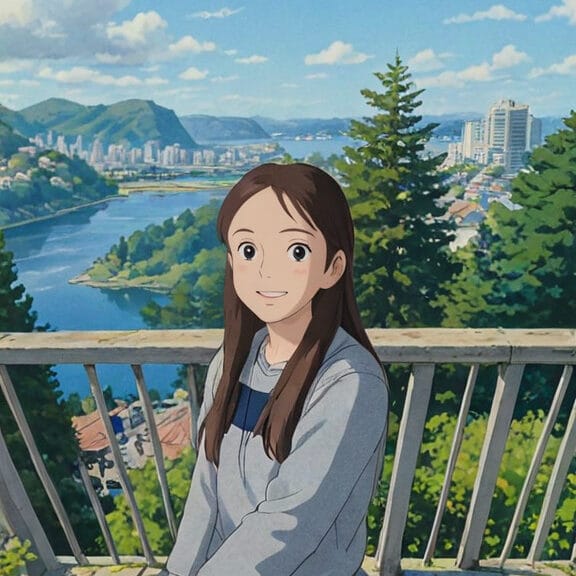
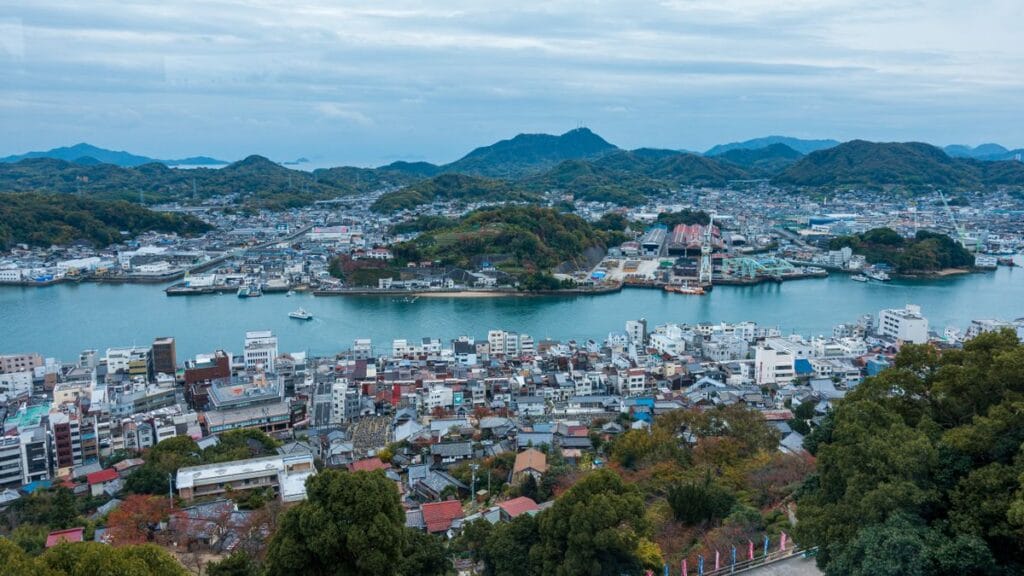
Several small hills above the town offer views that match the film’s “cliff above the harbor” perspective — where Sosuke’s house overlooks the sea. The view of tiled rooftops descending to the water, with Sensui-jima visible beyond, is the geography of the film made literal.
What to Eat
Tai ryori (sea bream cuisine): The Seto Inland Sea’s tidal currents produce sea bream of exceptional quality. Tai sashimi, tai meshi (sea bream rice), and grilled tai at the harbor-side restaurants — the freshness is the point.
Homeishu (medicinal sake): A specialty sake made in Tomonoura since the Edo period, using Chinese medicinal herbs. Sold in traditional bottles at local shops; a distinctive souvenir.
Hotels
Tomonoura: Migiwatei Ochi Kochi (汀邸 遠音近音) (Luxury / from approx. ¥35,000 ~$233 USD) — harbor-view inn, the finest accommodation in town. Tomo Seaside Hotel (Mid-Range / from approx. ¥18,000 ~$120 USD) — sea-facing rooms, good value.
Fukuyama (access hub): Fukuyama New Castle Hotel (Mid-Range / from approx. ¥13,000 ~$87 USD) — beside Fukuyama Station, easy bus access to Tomonoura.
All prices approximate. Verify on booking sites.
Who Should Visit
✔ Ponyo fans
✔ Japanese maritime history lovers
✔ Travelers on the San’yo Shinkansen corridor
✔ Sunset & dusk photography seekers
✔ Seafood enthusiasts
🏨 Planning where to stay?
Every area guide on this site pairs with honest, station-by-station hotel picks. Start here: Hiroshima Hotel Guides →