This article may contain affiliate links. If you book through them, we may earn a small commission at no extra cost to you.
On this page
Introduction: The Gap Between Sushi You've Had and Sushi in Japan
Most people who visit Japan for the first time have eaten sushi before. The sushi they have eaten — most likely in a Western country — bears a specific relationship to Japanese sushi that is simultaneously genuine and misleading. The fish is real; the rice is real; the nori is real. But the context, the ordering process, the relationship with the chef, the pace, the price, and the quality of the experience are so different that arriving at a Japanese sushi counter with only the Western sushi experience as preparation produces consistent disorientation.
This guide bridges the gap.
Understanding the Three Formats
Conveyor Belt Sushi (回転寿司 / Kaitenzushi)
- The most accessible format — covered in the dedicated conveyor belt article.
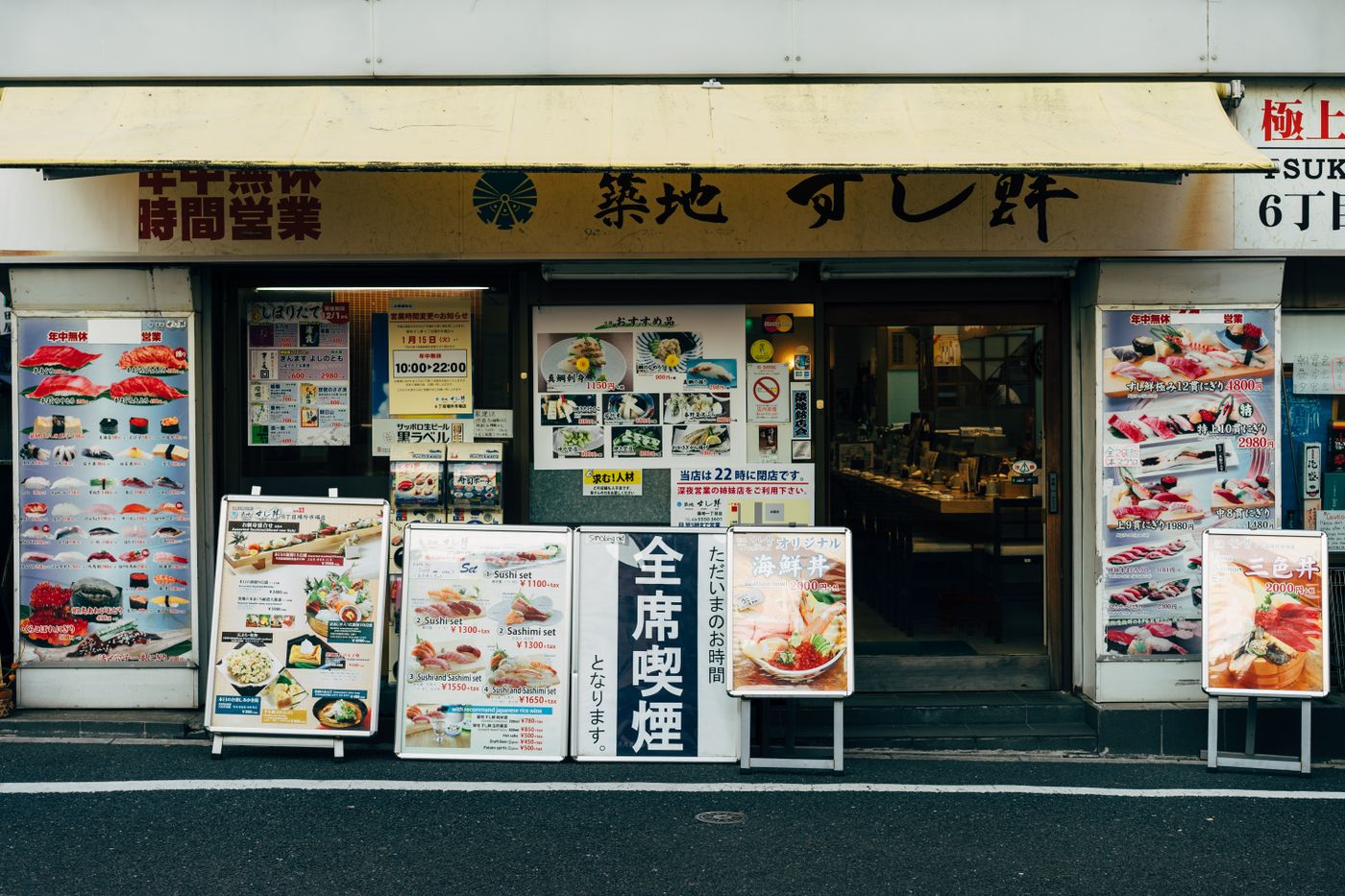
À La Carte Counter Sushi
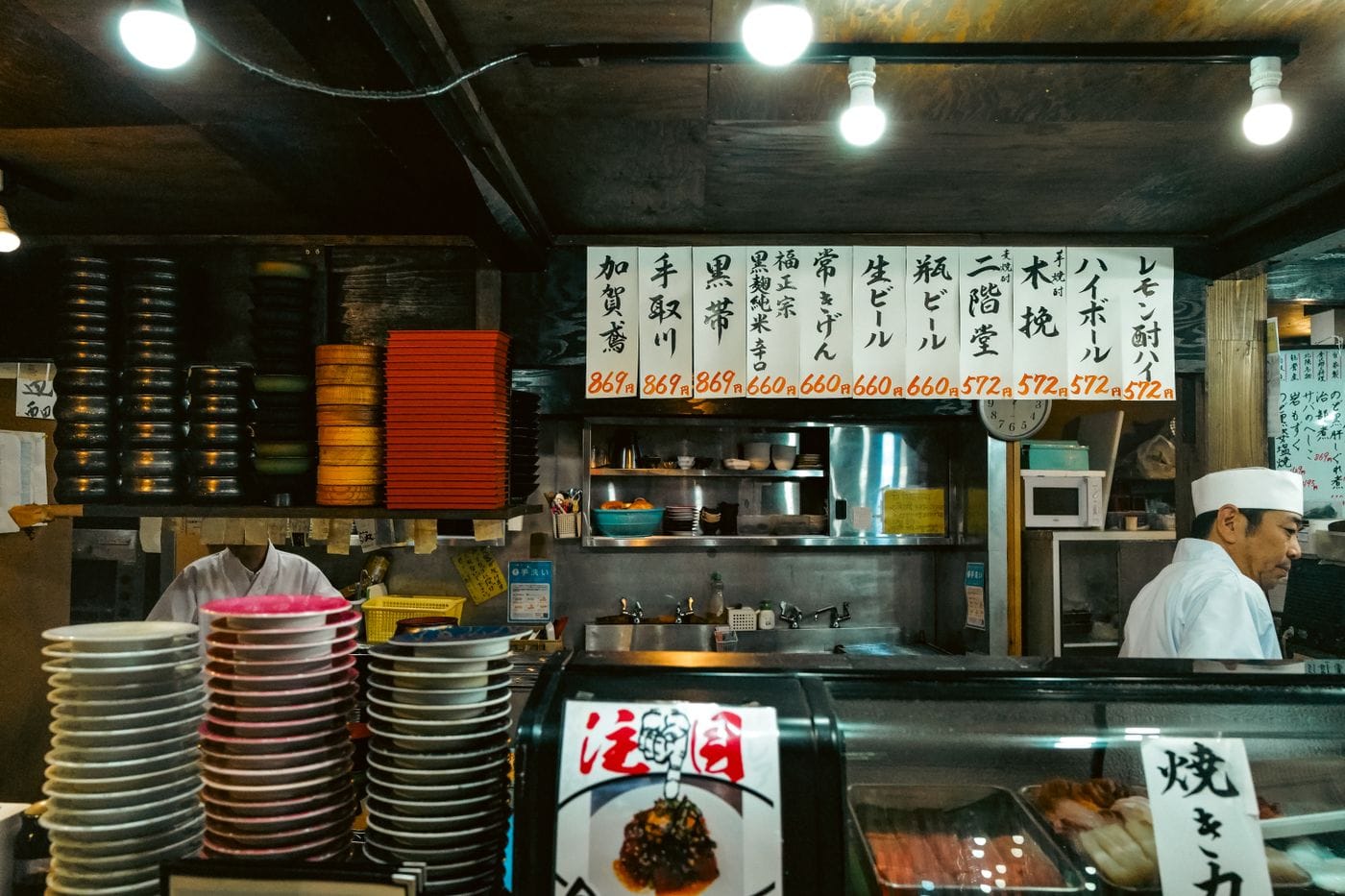
Sit at the counter (カウンター), order items individually from the menu or by pointing at display items, and eat at your own pace. The chef prepares each piece immediately as ordered. This format allows conversation with the chef, observation of the preparation technique, and precise control over what you eat and how much you spend.
Ordering approach: Either follow the menu, point at the fish in the glass display case, or tell the chef your preferences and let them make selections.
Omakase (おまかせ / "I'll leave it to you")
The premium format — the chef prepares a sequence of courses at their discretion, revealing the best of their current inventory and technique in a designed sequence. No menu; no ordering. A complete communication of trust between customer and chef.
Price note: Omakase in Japan ranges from approximately ¥5,000 (respectable neighborhood sushi counter) to ¥50,000+ (the highest-starred establishments in Ginza and Akasaka). The ¥10,000–¥20,000 range represents the sweet spot of quality-to-price in Tokyo's sushi landscape.
What to Know About Japanese Sushi Rice
Shari (シャリ / sushi rice) is the heart of sushi and the variable that most distinguishes sushi masters from each other. The rice requirements:
Vinegar seasoning (合わせ酢 / awase-zu): Each sushi chef uses a specific blend of rice vinegar, sugar, and salt in a proportion that reflects their aesthetic — some lean sweet, others lean acidic, others prioritize salt. The seasoning is applied to freshly cooked rice while it is still warm.
Rice temperature: Traditional sushi is served at body temperature (人肌 / hitohada) — the rice should be approximately the same temperature as the inside of your mouth. Rice that is too cold or too warm compromises the eating experience, and the pacing of omakase is partly determined by the chef's ability to serve each piece at the correct temperature.
Grain integrity: Each rice grain in shari should retain its structure while the nigiri holds its form under light pressure. Rice that is either too compressed (hard, dense) or too loose (falling apart) represents technical errors at different stages of the preparation.
The Fish: Reading What's in Front of You
Seasonal awareness (旬 / shun): Japanese sushi culture is built on seasonal fishing — certain fish are at their peak fat content and flavor at specific times of year. Winter tuna (寒まぐろ / kanmaguro) has maximum fat content; spring sea bream (春の鯛 / haru no tai) is at its highest flavor. Trusting an omakase chef means trusting their understanding of what is in season.
The cut determines the experience: The same fish prepared with different cuts produces different eating experiences:
Otoro (大トロ / fatty tuna belly): Maximum fat, meltingly rich, most expensive
Chūtoro (中トロ / medium fatty tuna): Balance of fat and clean tuna flavor
- Akami (赤身 / lean tuna): The cleanest expression of tuna flavor; less fashionable but preferred by many specialists
Eating Correctly
Fingers are acceptable: Nigiri sushi was historically eaten with fingers — chopsticks came later. Both are acceptable at any sushi counter.
One bite: Nigiri should be eaten in one bite when possible — splitting a piece of nigiri produces the worst version of both halves. If the piece is genuinely too large for one bite, two bites are acceptable; three indicate that the piece is too large.
Shoyu application: Dip the fish (not the rice) briefly into shoyu. The rice has already been seasoned with sushi vinegar — adding shoyu to the rice dissolves the structure and overwhelms the chef's seasoning.
Wasabi: In omakase sushi, wasabi is placed between the fish and the rice by the chef — no additional wasabi is needed or appropriate. At casual counters, wasabi may be on the side.
- Gari (ガリ / pickled ginger): Eaten between pieces as a palate cleanser — not placed on top of the sushi.
Recommended Tokyo Sushi Counters
Entry-level à la carte (¥3,000–¥6,000):
- Sushi Zanmai (すしざんまい): 24-hour operation at multiple Tokyo locations; reliable, good value.
- Midori Sushi (みどりずし): Shibuya location; known for exceptionally large portions.
Mid-range omakase (¥10,000–¥20,000):
- Manten Sushi (まんてん酢): Marunouchi and Nihonbashi; a generous, hugely popular omakase around ¥10,000.
- Sushi Tokyo Ten (酢とうきょう十): Shibuya and other stations; polished omakase in the ¥10,000–¥15,000 range. (Names like Sushi Saito or Harutaka belong to the ¥50,000+ reservation-lottery tier — a different world.)
🏨 Planning where to stay?
Every area guide on this site pairs with honest, station-by-station hotel picks. Start here: Hotel Guides by Station →