This article may contain affiliate links. If you book through them, we may earn a small commission at no extra cost to you.
On this page
Introduction: The Commercial Tradition That Cities Are Trying Not to Lose
Shotengai (商店街) — Japan's covered shopping streets, typically single-story or two-story covered arcades lined on both sides with small independent shops — represent a pre-supermarket, pre-mall model of neighborhood commercial organization that was the foundation of daily life in Japanese cities until the late 20th century. They are also one of the country's most persistently discussed policy problems, as the majority of Japan's estimated 12,000 shotengai struggle against the combined pressures of supermarket competition, online retail, demographic decline, and the simple reality that the demographic who made them central to daily life (housewives shopping daily for fresh food in the neighborhood) has changed beyond recognition.
What a Shotengai Is
A shotengai is a dedicated commercial street — typically a covered arcade, though some are open-air or partially covered — with a defined membership organization (商店会 / shōtenkai) managing the collective's interests, shared seasonal decoration decisions, and joint promotions. The individual shops are independently owned and operated, often by families who have held the same space for one to three generations.
The standard composition of a functioning shotengai includes:
- A butcher (肉屋 / nikuya)
- A fishmonger (魚屋 / sakana-ya)
- A vegetable shop (八百屋 / yaoya)
- A tofu shop (豆腐屋 / tōfu-ya)
- A bakery (パン屋 / pan-ya)
- Clothing shops (洋服屋 / yōfuku-ya)
- A barber or beauty salon
- Pharmacies, household goods, and repair shops
This composition — the full apparatus of daily commercial need within a single walkable covered space — is what made shotengai the foundation of neighborhood life.
The Current Reality
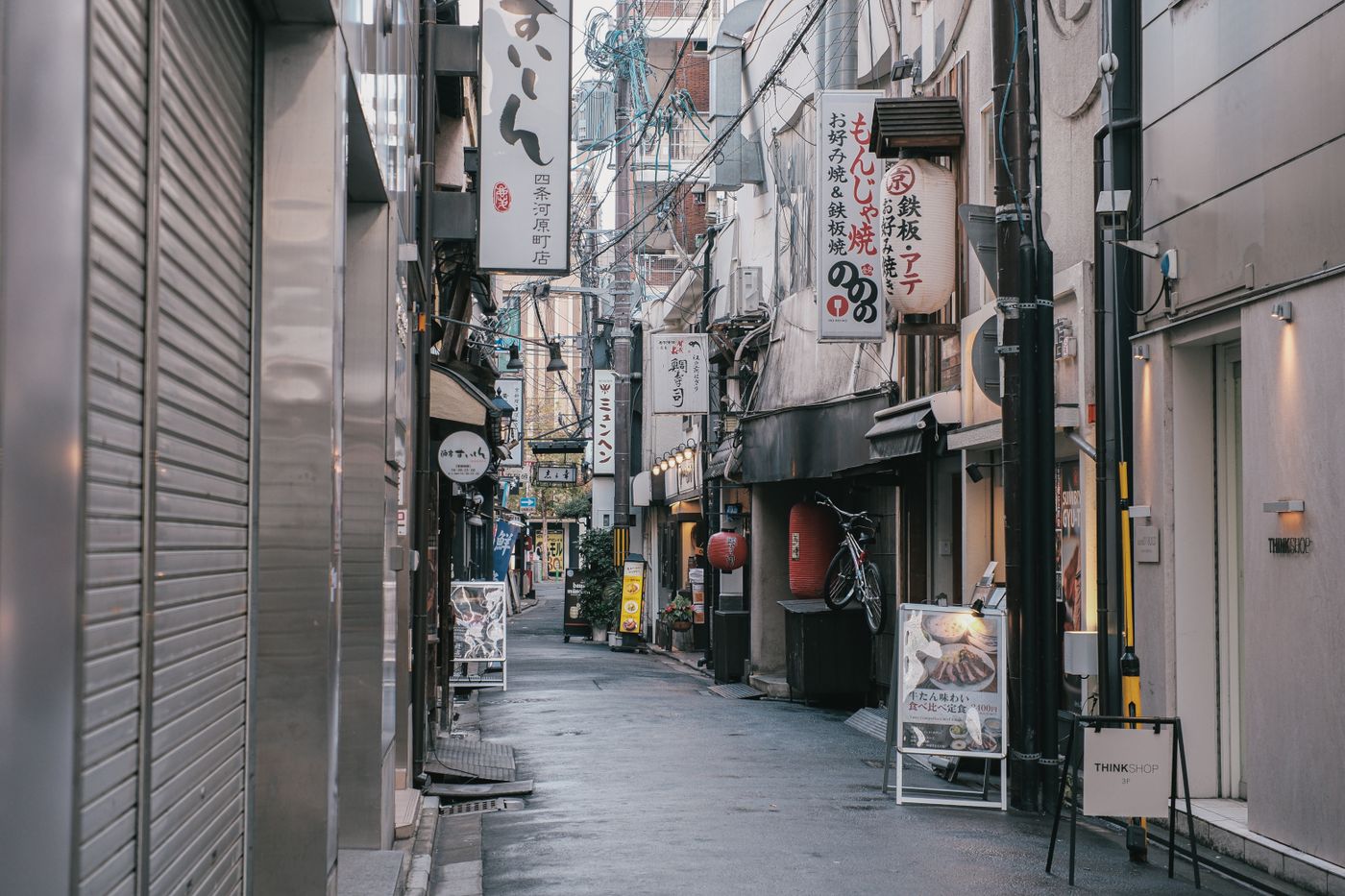
The majority of Japan's shotengai are in decline — vacancy rates rising, the generational succession problem (children of shop owners choosing other careers), and the competitive pressure of supermarkets and online retail. A vacant shotengai has a specific visual character familiar throughout Japan: shuttered fronts, faded signage, the occasional surviving shop operating amid a majority of closed neighbors.
The policy response: Multiple government programs at national and prefectural levels have targeted shotengai revitalization — tax incentives, grants for renovation, programs connecting young entrepreneurs with vacant shotengai space. The results are mixed but several urban shotengai have undergone genuine revitalization through this mechanism, with the most notable successes combining traditional shops with contemporary cafés, galleries, and independent retail.
The demographic reality: The most vital surviving shotengai are typically in neighborhoods with dense elderly populations (who prefer the shotengai's scale and human interaction to supermarkets) or in neighborhoods that have attracted young creative residents who value the shotengai's alternative to chain retail.
Why Shotengai Matter for Visitors
The surviving shotengai — particularly the most notable examples covered throughout this guide series (Togoshi Ginza, Yanaka Ginza, the Koenji arcades, the Hiroshima covered arcades near Hondori) — provide the most direct access to the daily commercial life of Japanese neighborhoods in a way that supermarkets, department stores, and purpose-built tourist markets cannot.
Walking a shotengai is not a tourism activity in the sense of visiting an attraction — it is entering the functional commercial infrastructure of a residential community and observing how it operates. The value is in the ordinariness: the fishmonger's display of the morning's catch, the tofu shop's steam, the barbershop's conversation, the specific social texture of a neighborhood that knows itself.
Planning where to stay in Tokyo? Browse our honest hotel picks and area guides.
🏨 Planning where to stay?
Every area guide on this site pairs with honest, station-by-station hotel picks. Start here: Hotel Guides by Station →