This article may contain affiliate links. If you book through them, we may earn a small commission at no extra cost to you.
On this page
Introduction: What Tsukiji Is Now
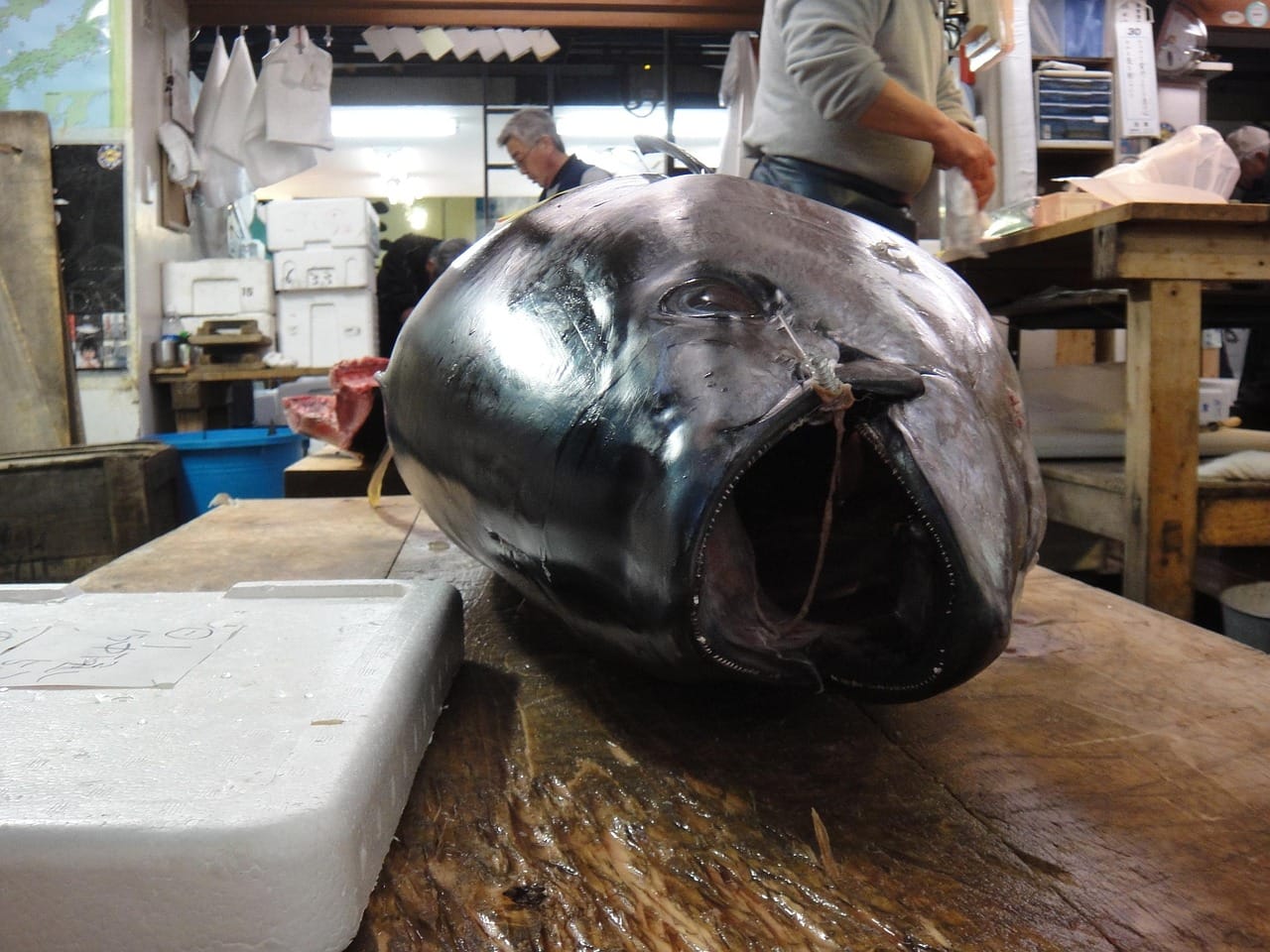
The Tsukiji Market (築地市場) story requires a brief clarification. The inner market (場内市場) — the wholesale fish trading hall where the famous tuna auctions were held — relocated to Toyosu (豊洲) in October 2018. The building that housed it is scheduled for eventual redevelopment.
The outer market (場外市場 / jōgai ichiba) — the surrounding streets of retail shops, restaurants, and food stalls that served the wholesale market's workers for decades — remained in Tsukiji and continues to operate. This is what most visitors are experiencing when they describe "visiting Tsukiji." It is a genuinely excellent food destination in its own right, distinct from the wholesale market that made the area famous.
What to Eat at Tsukiji Outer Market
Fresh Seafood
The outer market's primary value is the same as the inner market's: proximity to source. The restaurants and stalls in the outer market receive product from Toyosu and other suppliers with the same speed as the relocated wholesale market, and the turnover of product in a market of this size ensures freshness that comparable Tokyo neighborhoods cannot match.
Sushi at the counter: Multiple sushi restaurants in the outer market open from approximately 5:00 AM for the breakfast crowd (historically the wholesale market workers). The nigiri quality at these counters — where the chefs have been working with top-quality fish since before dawn — is generally excellent. One correction to older guides: the legendary inner-market counters Sushi Dai (寿司大) and Daiwa Sushi (大和寿司) moved to Toyosu with the wholesale market in 2018 — you will not find them at Tsukiji. The outer market’s own long-standing counters are still excellent; the pre-8 AM queues will show you where.
Tamagoyaki (玉子焼き): The thick, sweet Japanese egg omelette — served in thick slices from multiple specialist shops as both a standing snack and a sushi topping. Marutake (丸武) is the most celebrated Tsukiji tamagoyaki maker.
Seafood donburi (海鮮丼): Multiple outer market restaurants serve seafood over rice — the morning version, with product just received from the overnight delivery, is at its freshest.
Non-Seafood Tsukiji
The outer market is not exclusively seafood — the infrastructure that developed to serve the wholesale market workers also included:
Tsukiji Nori (築地のり / dried seaweed): Several wholesale nori dealers in the outer market sell directly to the public — the quality and variety of nori available here exceeds what any standard retail outlet carries.
- Tsukiji Tamagoyaki: The outer market has multiple tamagoyaki shops beyond the famous Marutake.
Tsukiji Kitchen Supply: The outer market also contains kitchen supply shops selling the professional tools — knives, cutting boards, dashi preparation equipment — that the surrounding restaurants require. The Japanese kitchen knife shops here offer access to professional-quality tools at competitive prices.
Timing Strategy
- Before 8:00 AM: The most authentic version — freshest product, stalls at full operation, and a crowd of food-industry people doing real shopping. Queues are still manageable.
- 8:00–10:00 AM: Good balance of freshness and atmosphere — the crowd builds but is not yet overwhelming.
- 10:00 AM–noon: Peak tourist hour — the most crowded and least comfortable window.
- Afternoon: Many stalls and restaurants close by 1:00–2:00 PM as product sells out.
Planning where to stay in Tokyo? Browse our honest hotel picks and area guides.
🏨 Planning where to stay?
Every area guide on this site pairs with honest, station-by-station hotel picks. Start here: Hotel Guides by Station →