This article may contain affiliate links. If you book through them, we may earn a small commission at no extra cost to you.
On this page
Introduction: Where Japan Ends and the Wild Begins
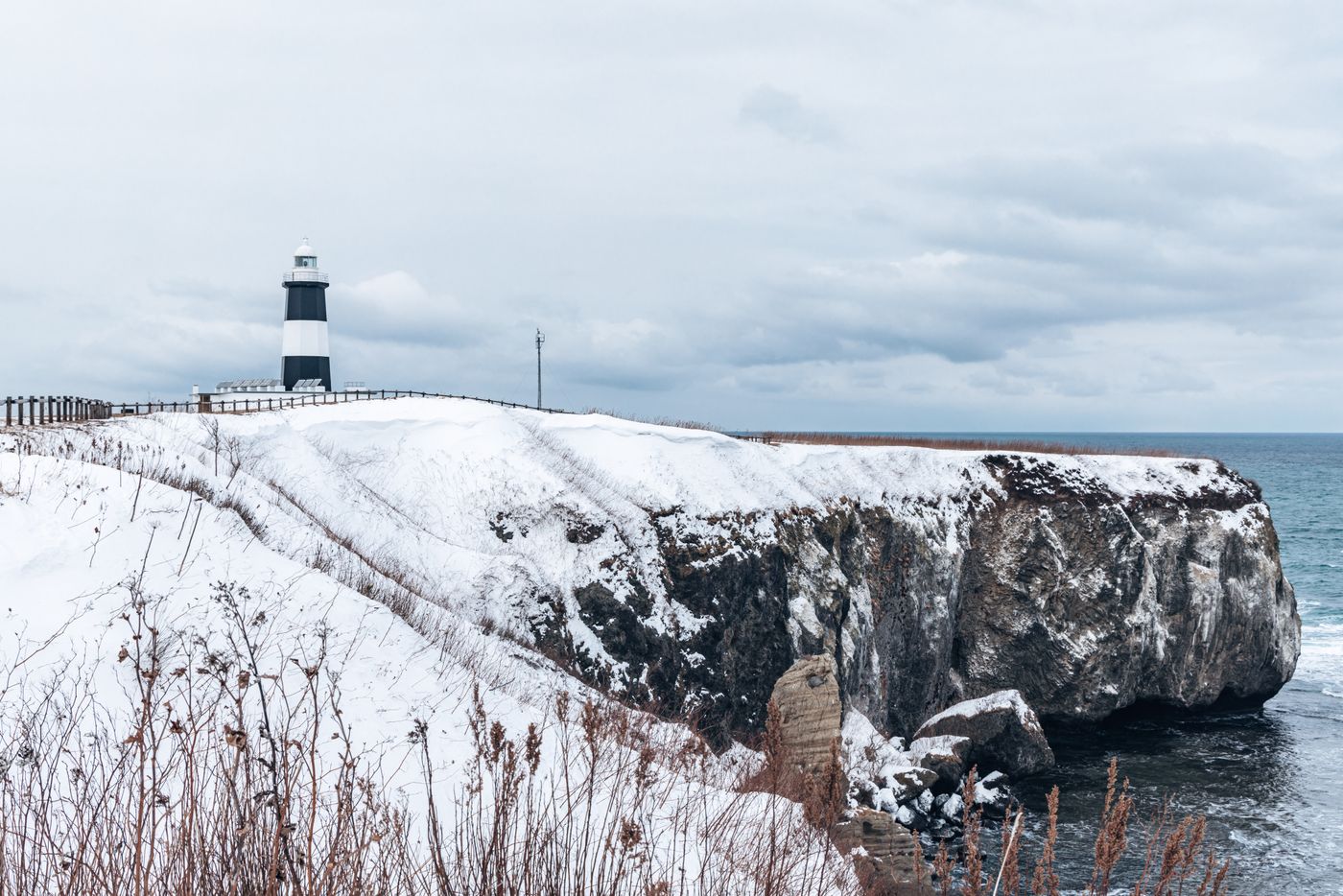
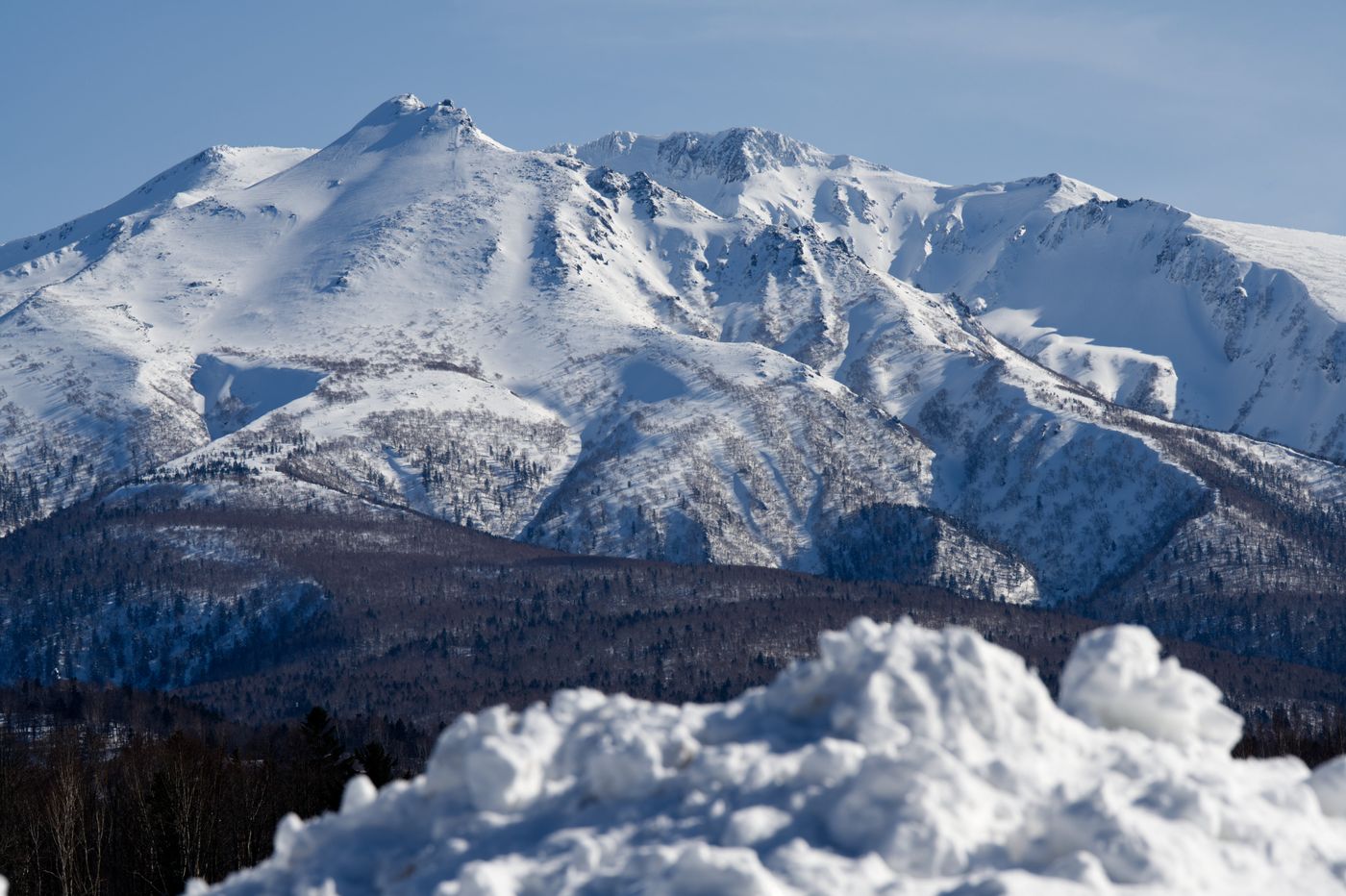
At the northeastern tip of Hokkaido, a peninsula juts into the sea between the Sea of Okhotsk and the Nemuro Strait. The Shiretoko Peninsula (知床半島) is approximately 70 km long and 25 km wide — its interior mountains largely inaccessible except to trained wilderness travelers, its coastline reachable only by boat for much of its length, and its ecological systems largely intact in ways that have become extraordinarily rare in Japan.
In 2005, Shiretoko was designated a UNESCO World Heritage Site on the basis of its exceptional ecosystem — specifically the link between the productive marine environment (driven by seasonal drift ice from the Sea of Okhotsk that brings nutrients from the depths to the surface) and the terrestrial food chains that depend on this marine productivity. The UNESCO designation recognized Shiretoko as one of the few remaining places on earth where the interaction between marine and terrestrial ecosystems remains essentially undisturbed by human activity.
What this means practically for visitors is access to wildlife experiences of a quality and directness that Japan does not offer elsewhere.
The Ecosystem: Why Shiretoko Is What It Is
The key to Shiretoko's ecological richness is drift ice (流氷 / ryūhyō). Every winter, ice from the Sea of Okhotsk — formed partly from the outflow of the Amur River in Russia — drifts south and arrives at Hokkaido's northeastern coast, covering the Shiretoko coastal waters from January through March.
This drift ice creates extraordinary conditions: the ice surface supports algae that grow in dense layers on the ice's underside, feeding zooplankton, which feed fish, which feed the larger animals. When the ice melts in spring, the nutrients released into the water column trigger a productivity bloom that supports the entire food chain above it.
The result is that Shiretoko's coastal and terrestrial environments are fed from below by a marine system of exceptional richness:
- Brown bears (ヒグマ): Congregate along Shiretoko rivers during the autumn salmon run in numbers that make bear viewing one of Shiretoko's most accessible wildlife experiences
Steller's sea eagles (オジロワシ): Winter concentration of this enormous eagle (up to 9 kg wingspan to 2.5 meters) on the drift ice is one of the most impressive bird spectacles in Asia
Orca (シャチ): Transient populations hunt in the Nemuro Strait, visible from Rausu in summer
Minke whales (ミンククジラ): Summer residents of the coastal waters
Blakiston's fish owl (シマフクロウ): The world's largest owl is present in low numbers in the Shiretoko forests — extremely rare and considered a symbol of the peninsula's ecological integrity
The Five Lakes (知床五湖): The Accessible Interior
Shiretoko Go-ko (知床五湖 / "Shiretoko Five Lakes") is the most organized visitor access point to Shiretoko's interior. Five small lakes connected by raised boardwalk trails or ground-level hiking paths offer the opportunity to walk through the peninsula's forest while observing the mountain backdrop, the coast below, and the bears that move through the area.
Two visiting systems:
Elevated Boardwalk (高架木道): A 800-meter raised trail to Lake 1 (第一湖), accessible without a guide at any time. No bear risk management required — the raised structure keeps visitors separated from the ground.
Ground-level Trail (地上遊歩道): Access to all five lakes via a trail through the forest. Requires participation in a bear lecture (ヒグマ活動期レクチャー) during peak bear season (mid-April to July and October–November). Groups must be accompanied by a licensed guide during high-risk periods.
Bear encounter likelihood: Brown bears are regularly observed in the Five Lakes area. During the October salmon run especially, bears may be seen at close range from the boardwalk.
Wildlife Cruises: Seeing Shiretoko from the Sea
The most dramatic and comprehensive Shiretoko wildlife experience is a sightseeing cruise (観光船) departing from Utoro Port on the western side or Rausu Port on the eastern side. These cruises venture along the coast to areas inaccessible by road, providing views of:
The interior waterfalls: Numerous waterfalls descend directly into the sea from the coastal cliffs of the peninsula's interior — most notably the Furepe-no-Taki (フレペの滝 / "Maiden's Tears"), which emerges directly from the cliff face approximately 100 meters above the sea without a formal stream — the water seeping through the volcanic rock and emerging at the cliff face.
Bears on the coast: Brown bears regularly walk the coastal areas of Shiretoko, visible from boats. Seeing a bear at close range from a stable boat platform — without the psychological pressure of a ground-level encounter — is one of Shiretoko's most memorable wildlife experiences.
Marine mammals: Seals hauled out on coastal rocks, occasional orca in the Rausu strait, and Steller's sea lions on the Rausu side are regular sightings.
Rausu Orca Watching (羅臼 シャチウォッチング)
The Nemuro Strait — between Shiretoko's eastern coast and Kunashir Island (part of the disputed Northern Territories) — has become recognized as one of the most reliable locations in Japan for orca (killer whale) viewing. Summer (June–August) tours from Rausu Port offer a high probability of orca encounters.
Kamuiwakka Waterfall (カムイワッカ湯の滝): The Hot Spring Waterfall
Kamuiwakka is a river flowing from a hot spring within the Shiretoko mountains — the water progressively warming as you ascend the river bed, creating a series of natural hot spring pools within the river's waterfalls. Climbing the river — wading through the hot water, assisted by rope handholds on the steeper sections — to the primary bathing pool above the first waterfall is one of Hokkaido's most unusual and rewarding outdoor experiences.
Access: Shuttle bus from the Shiretoko Nature Center during peak season (personal vehicles prohibited on the access road).
Practical Notes for Shiretoko
Car rental is essential: The peninsula's attractions are spread across a significant area with minimal public transport.
Accommodation is limited: Utoro and Rausu between them have approximately 20 hotels and ryokan — advance reservation is essential for July–August and the October salmon run period.
The road ends: The road along the peninsula's western coast extends to the Shiretoko Pass (知床峠) and then connects to Rausu on the eastern side — but beyond the Five Lakes, the interior of the peninsula is accessible only by boat or on foot with licensed guides.
Recommended Base Hotels
KIKI Shiretoko Natural Resort (Mid-range / from ¥20,000 per person): Utoro, ocean views, good access to cruises and Five Lakes.
- Shiretoko Daiichi Hotel (Mid-range / from ¥18,000 per person): Large onsen facility in Utoro.
Rausu Dai-ichi Hotel (Mid-range / from ¥15,000 per person): Eastern peninsula base for Rausu wildlife cruises.
Planning where to stay in Hokkaido? Browse our honest hotel picks and area guides.
🏨 Planning where to stay?
Every area guide on this site pairs with honest, station-by-station hotel picks. Start here: Hotel Guides by Station →