This article may contain affiliate links. If you book through them, we may earn a small commission at no extra cost to you.
On this page
Introduction: The Lake That Formed Inside a Volcano
Southern Hokkaido's volcanic landscape produces some of the most geologically dramatic scenery in Japan — and the combination of Lake Tōya (洞爺湖) and Shōwa Shinzan (昭和新山) in Abuta District creates a double focal point of unusual geological interest: an ancient caldera lake of extraordinary beauty, and a volcanic dome that rose from a flat field in the 1940s within documented human memory.
The area's geological story is both fascinating and ongoing — the 2000 eruption of Mount Usu (有珠山) forced the evacuation of 16,000 people from the lake area, and the eruption infrastructure (pumice-covered streets, collapsed buildings preserved as geological monuments) is still visible as testament to the living nature of the landscape.
Lake Tōya (洞爺湖): The Caldera Lake
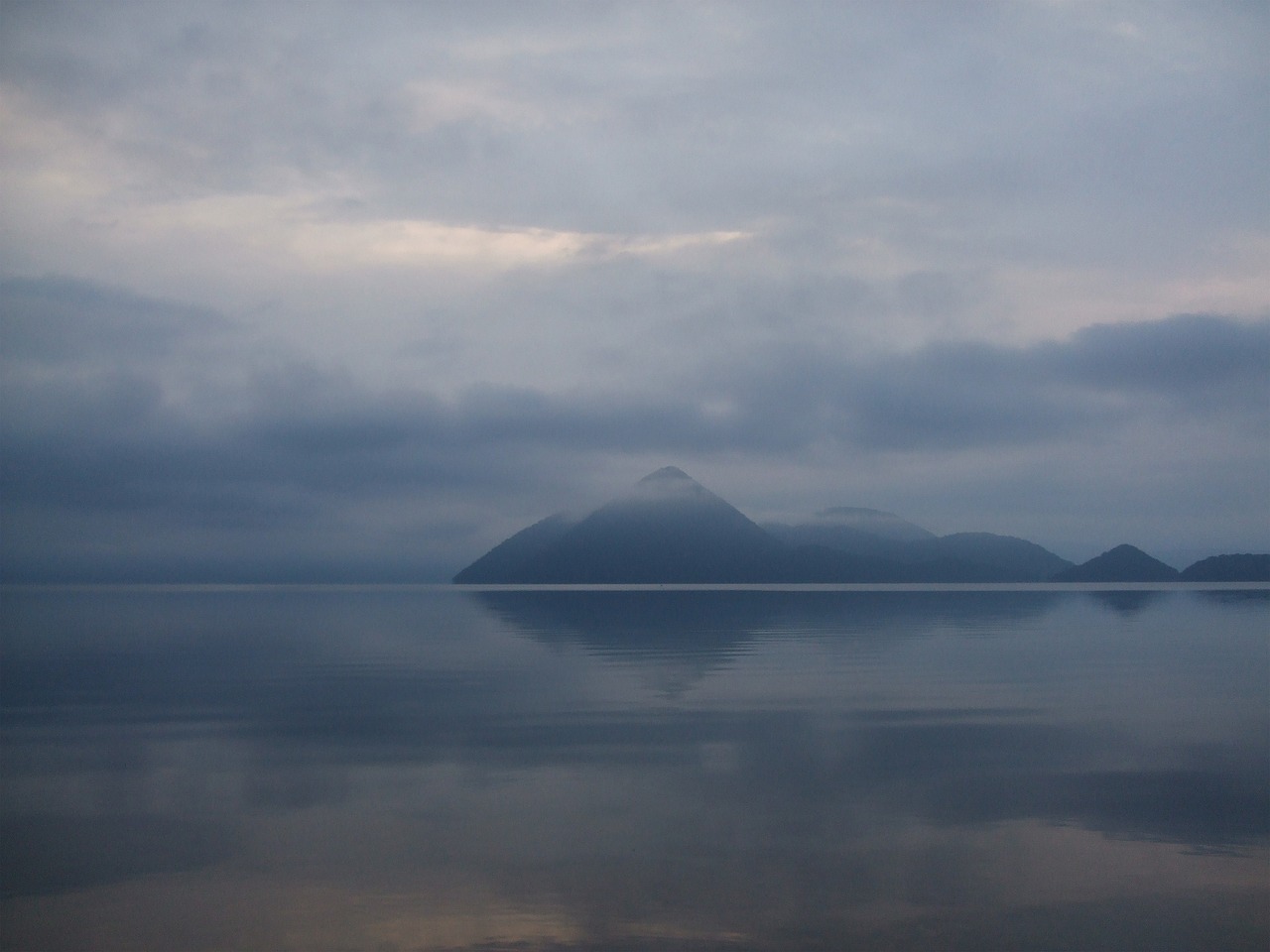
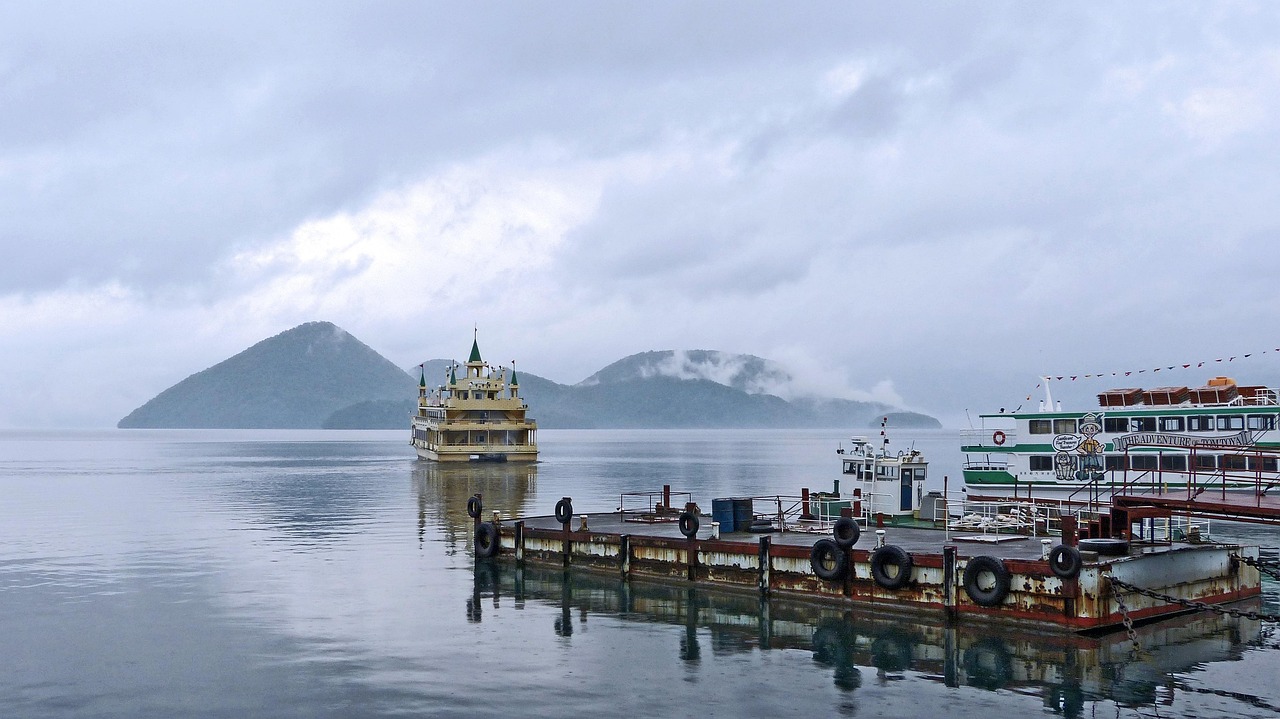
Lake Tōya occupies a caldera formed approximately 110,000 years ago by a massive volcanic eruption. The lake is roughly circular (approximately 11 km in diameter), maintains a constant water temperature of approximately 4°C at depth regardless of season, and never completely freezes in winter — making it one of the few Hokkaido lakes with year-round liquid surface.
The island visible at the lake's center — Nakanoshima (中島) — was formed by a later volcanic event, its forested slopes home to a large population of sika deer (エゾシカ) introduced in the 1930s and since allowed to develop in isolation from mainland hunting pressure. Sightseeing boats from the lake shore stop at Nakanoshima and allow visitors to walk among the deer.
Lake Tōya Fireworks (洞爺湖ロングラン花火大会): From late April to October, Tōya hosts nightly fireworks over the lake — the longest continuous fireworks program in Japan. The combination of fireworks reflected in the lake surface, watched from the onsen hotel balconies that line the southern shore, is one of Hokkaido summer's most beloved experiences.
Shōwa Shinzan (昭和新山): The Volcano That Grew in a Field
Shōwa Shinzan is one of the most extraordinary geological phenomena in Japan — a volcanic dome that rose from a flat agricultural field over a period of approximately two years (1943–1945), eventually reaching a height of 398 meters and completely destroying the original farmland.
The eruption was documented in extraordinary detail by Masao Mimatsu (三松正夫) — a local postmaster who recognized the significance of what was happening and made daily observations, drawings, and measurements throughout the emergence period. His records — the Mimatsu Diagram — are now among the most complete documentation of a volcanic dome growth event ever produced, and are displayed in the Shōwa Shinzan Museum at the base of the dome.
Shōwa Shinzan is still actively steaming and radiating volcanic heat — the surface temperature of the dome ranges from 200–400°C in different areas. The dome cannot be climbed (both for safety reasons and because it is private land — Mimatsu purchased the site to prevent commercial exploitation, and it remains in family ownership).
Mount Usu (有珠山): The 2000 Eruption Landscape
Mount Usu — the volcano responsible for Shōwa Shinzan and several other 20th-century eruption events — last erupted in March 2000, forcing the evacuation of 16,000 people from the lake area. The eruption was predicted with sufficient accuracy to allow complete evacuation before the event, and no one was killed — a landmark success of Japan's volcano monitoring infrastructure.
The area affected by the 2000 eruption is now partly accessible as a geological monument area (火山遺構公園 / Kazan Iko Koen) — streets covered with pumice, collapsed houses preserved under volcanic deposits, and new volcanic vents that opened during the eruption are accessible by walking paths and provide the most direct encounter available in Japan with the aftermath of a major eruption.
Mount Usu Ropeway: A ropeway from near Lake Tōya's shoreline ascends to a viewpoint with comprehensive views of the 2000 eruption landscape, the lake, and Shōwa Shinzan — the most complete overview of the area's volcanic geography.
Lake Tōya Onsen (洞爺湖温泉): The Lakeside Resort
The southern shore of Lake Tōya is lined with large-scale onsen hotels that face the lake directly — a resort strip where the accommodation is oriented to maximize the lake and mountain views from guest rooms and bathing facilities.
The G8 Hokkaido Toyako Summit (2008): The 2008 G8 Summit was held at Windsor Hotel Toya Resort & Spa on the western shore of Lake Tōya — a choice that brought global attention to the area's scenic quality. The Windsor Hotel continues to operate as one of Hokkaido's finest resort properties, with views across the lake to Shōwa Shinzan.
Recommended Base Hotels
Windsor Hotel Toya Resort & Spa (Luxury / from ¥45,000 per person): The G8 Summit venue, cliff-top position above the lake, exceptional views.
- Toya Kanko Hotel (Mid-range / from ¥22,000 per person): Lakefront, large onsen, fireworks viewing.
- Tōyako Manseikaku (Mid-range / from ¥18,000 per person): Excellent lakefront position, good value.
Planning where to stay in Hokkaido? Browse our honest hotel picks and area guides.
🏨 Planning where to stay?
Every area guide on this site pairs with honest, station-by-station hotel picks. Start here: Hokkaido Hotel Guides →