This article may contain affiliate links. If you book through them, we may earn a small commission at no extra cost to you.
On this page
Introduction: The Wetland That Inspired a National Song
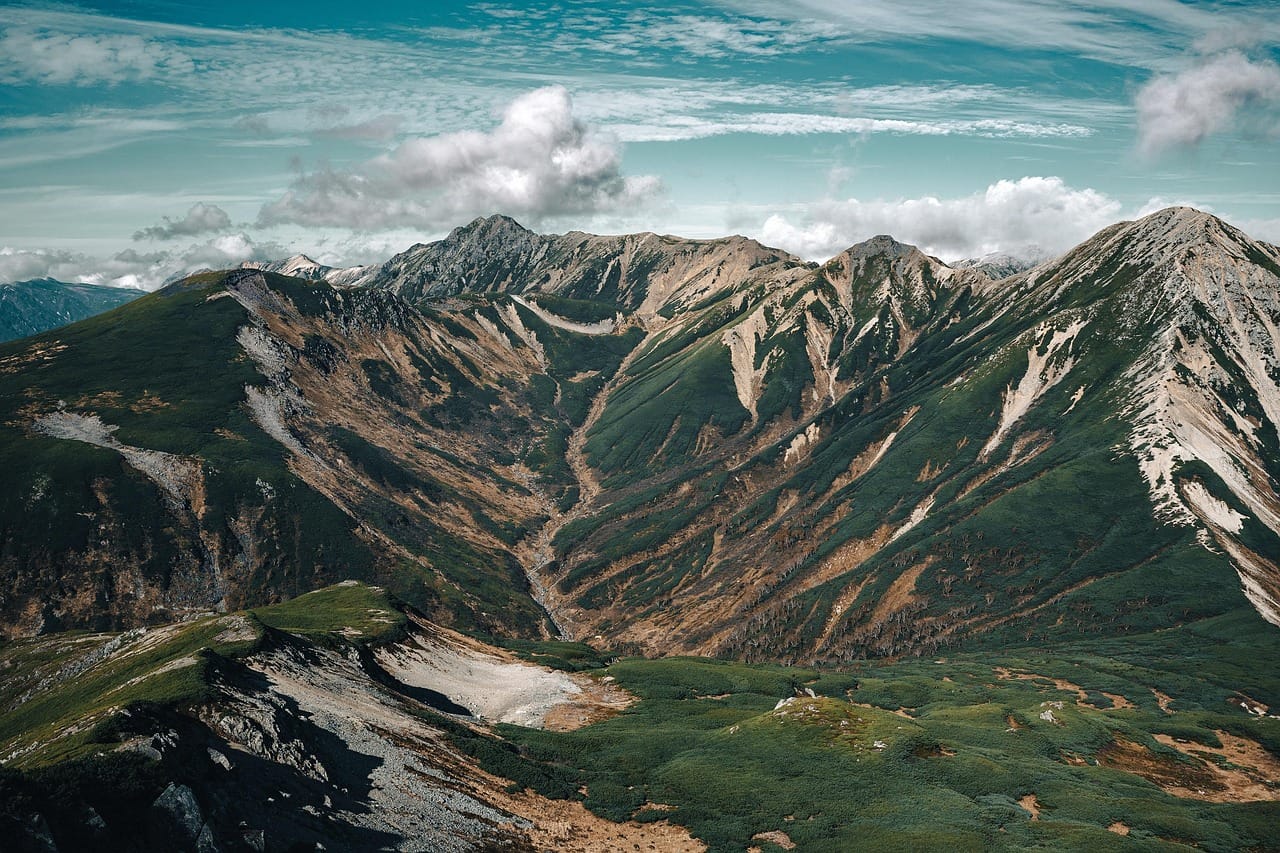
Oze National Park (尾瀬国立公園) — spanning the borders of Gunma, Fukushima, Niigata, and Tochigi prefectures — protects Japan's largest high-altitude wetland: Ozegahara (尾瀬ヶ原), a marshland plateau at approximately 1,400m elevation covering roughly 760 hectares, surrounded by mountains including the volcanic Mount Hiuchigatake (燧ヶ岳, 2,356m), Japan's highest peak in any mountain range east of the Japan Alps and within Honshu's eastern interior.
The wetland's cultural significance in Japan exceeds what its relatively modest international profile suggests — Oze is the subject of one of Japan's most beloved nature-themed children's songs ("Natsu no Omoide" / 夏の思い出, "Summer Memories"), and the area's protection movement in the early 20th century (resisting a proposed hydroelectric dam that would have flooded the wetland) is considered a foundational moment in Japanese environmental conservation history.
Understanding the Wetland Ecosystem
Ozegahara formed in a volcanic basin where poor drainage and the cool, wet mountain climate prevented complete decomposition of plant matter over thousands of years, creating a deep peat bog (高層湿原 / kōsō shitsugen) — a wetland type that supports a specific, fragile plant community adapted to nutrient-poor, waterlogged conditions.
The boardwalk system: Recognizing the ecosystem's fragility, the entire walkable area of Ozegahara is covered by a wooden boardwalk (木道 / mokudō) — visitors walk exclusively on these boards, which protect the underlying peat and vegetation from trampling damage. The boardwalk network extends for many kilometers across the marsh, providing access without ecological harm.
The Flower Seasons
Mizubasho (水芭蕉 / Asian skunk cabbage): Blooming in late May to early June, the white spathes of mizubasho emerging from the still-partially-snow-covered marsh is the specific image most associated with Oze in Japanese popular culture — referenced directly in the "Natsu no Omoide" song that made the location nationally famous.
Nikkō kisuge (ニッコウキスゲ / Hemerocallis): A yellow day-lily that blooms across the marsh in dense colonies during mid-July, creating one of Japan's most extensive single-species wildflower displays — fields of yellow extending across the wetland with the surrounding mountains as backdrop.
Other species: Throughout the late spring and summer season, Oze supports a sequence of flowering species including various orchid species, cotton grass, and numerous alpine and subalpine wildflowers, providing a continuously changing floral display from late May through September.
Walking Oze
Ozegahara (尾瀬ヶ原): The main marsh plateau, accessible via several trailheads (Oze area access points include Tokura, Numata side, and Numata via the Hatomachi-toge route). A full crossing of the main marsh area takes approximately 4–6 hours; shorter loop options are available from each access point.
Ozenuma (尾瀬沼): A separate marsh-lake area on the eastern side of the park, accessible from the Fukushima/Aizu side — smaller than Ozegahara but offering its own distinct wetland and mountain-reflection scenery, with Mount Hiuchigatake providing a dramatic backdrop.
Mount Hiuchigatake ascent: For experienced hikers, the volcanic peak rising above the marsh offers a serious day hike (6–8 hours round trip from Ozenuma) with views across the entire wetland system from above.
Practical Access
Unlike most Japanese national parks, Oze has no direct vehicle access to the marsh interior — visitors park at peripheral trailheads (Tokura, Oshimizu, or the Fukushima-side access points) and walk in, a deliberate conservation measure that has preserved the wetland's character against the kind of road-accessible overdevelopment common at other Japanese natural attractions.
Day trip feasibility: Oze is accessible as a long day trip from Tokyo (approximately 3–4 hours each way via bus and train combinations) but rewards an overnight stay at one of the several mountain lodges within or adjacent to the park for visitors who want unhurried access to the full marsh system.
Planning where to stay in Kanto? Browse our honest hotel picks and area guides.
🏨 Planning where to stay?
Every area guide on this site pairs with honest, station-by-station hotel picks. Start here: Hotel Guides by Station →