This article may contain affiliate links. If you book through them, we may earn a small commission at no extra cost to you.
On this page
Introduction: The Institution That Defines Modern Japan
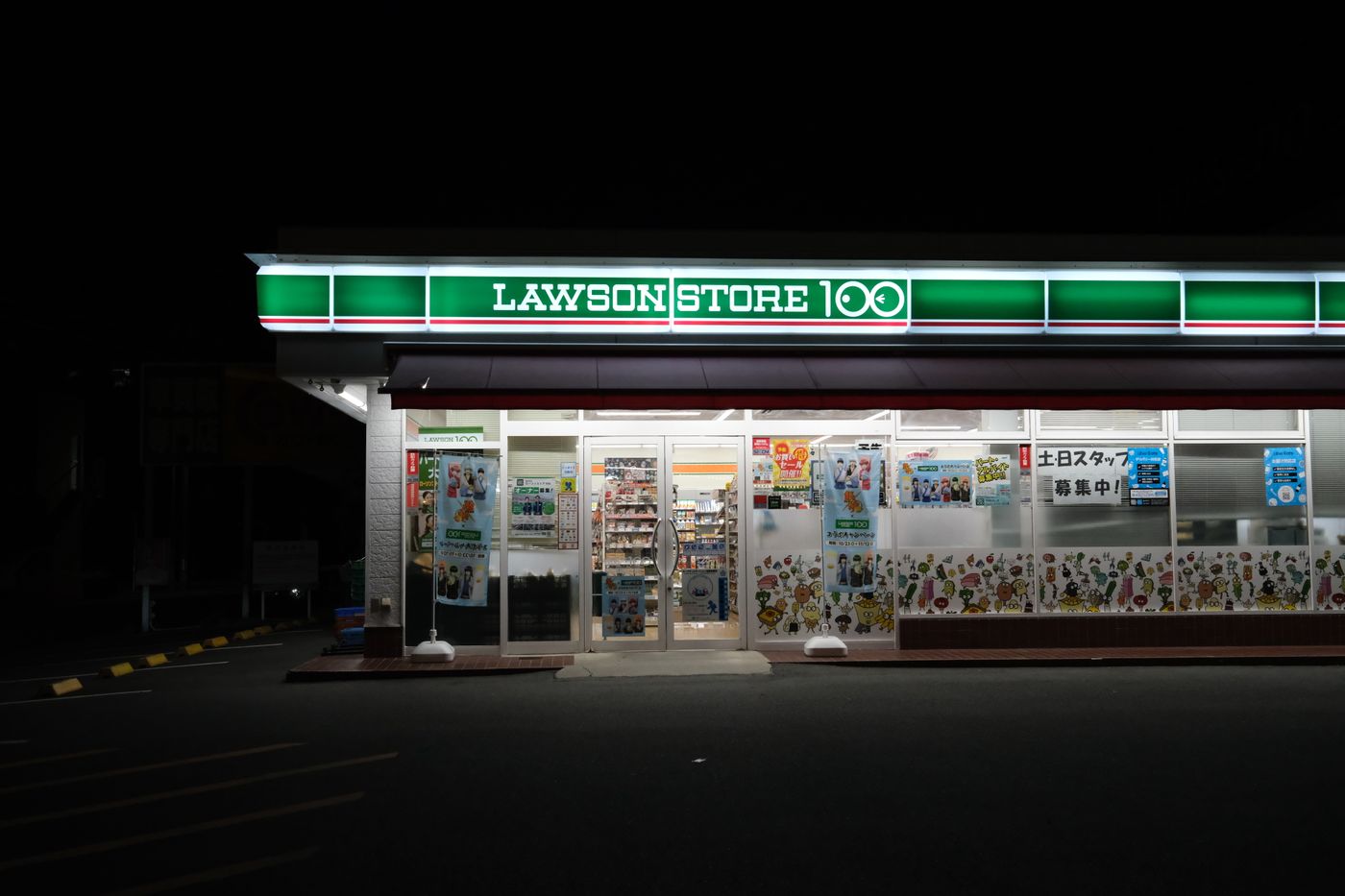
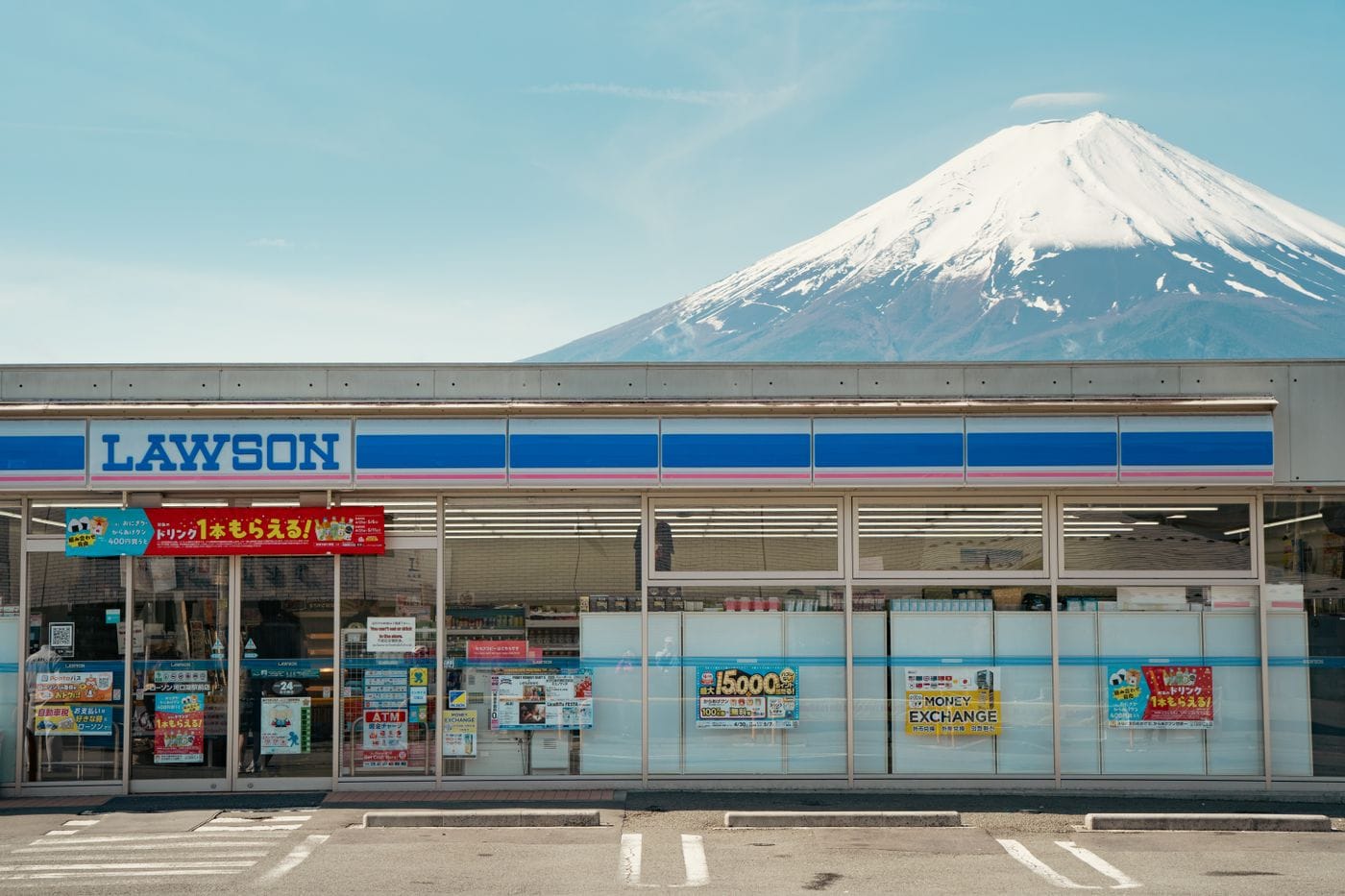
The konbini (コンビニ) — Japanese convenience store — is covered at length in the dedicated food articles, but its broader cultural significance extends well beyond what to buy for breakfast. Japan's convenience stores represent a specific achievement in service design: a chain of identical small buildings that simultaneously function as food service operations, financial services providers, government service interfaces, logistics hubs, and community infrastructure for millions of Japanese residents, 24 hours a day, in a country where alternative service provision is often unavailable outside business hours.
The Service Scope: What a Japanese Konbini Actually Does
Financial Services
ATM: As covered elsewhere — Japanese konbini ATMs, particularly 7-Eleven Bank, accept most international cards and are often more reliable for foreign cardholders than traditional bank ATMs.
Bill payment (公共料金支払い / kōkyō ryōkin shiharai): Electricity, gas, water, NHK broadcasting fees, credit card bills, insurance premiums, and tax payments can all be paid in cash at the konbini counter — the clerk scans a barcode on the bill, the customer pays cash, and receives a payment receipt. This function makes the konbini a necessary part of financial life for the significant portion of Japanese transactions still conducted in cash.
- Money transfer: Some konbini offer domestic money transfer services.
Government Services
Municipal document printing: Many konbini now interface with local government systems to allow residents to print official documents (residence certificates / 住民票, family register extracts) from the multifunction printer using their My Number card — a relatively recent government digitization initiative.
- Tax filing: Konbini printers can print tax forms and accept certain tax-related documents.
Logistics
Package sending and receiving: Yamato Transport (クロネコヤマト) and Japan Post services at konbini allow sending packages using pre-printed labels, receiving packages, and handling various logistics needs.
Ticket printing: The Loppi and Famiport terminals (covered in the food article) extend to tickets for nearly any event in Japan.
The Social Function: The 24-Hour Guarantee
Japan's konbini culture has created a specific social expectation: something is always open. The guarantee of 24-hour access to food, cash, printing, and basic goods in virtually every neighborhood is so embedded in daily Japanese life that its absence would represent a genuine quality-of-life reduction.
The social groups who depend most on this guarantee are revealing:
- Late-night workers in hospitality, healthcare, and entertainment industries
- Students studying through the night
- Single-person households for whom the konbini replaces full-scale home cooking
- Elderly residents in rural areas where the konbini is the last shop in the village
The Franchise System and Regional Variation
Japanese konbini operate on franchise models where individual operators run stores under chain branding while being subject to significant oversight. The franchise system has been a source of significant labor controversy — franchise operators are typically contractually committed to 24-hour operation and face financial penalties for temporary closure, creating a difficult situation for small operators facing staff shortages.
Regional products: Each konbini chain works with regional food producers to develop limited-area products available only at specific prefectural locations — a rice ball filling unique to a specific region, a local sweet available only at stores within the prefecture. These regional items (地域限定商品 / chiiki gentei shōhin) are a specific category of Japanese food souvenir that can only be acquired at their source convenience store.
🏨 Planning where to stay?
Every area guide on this site pairs with honest, station-by-station hotel picks. Start here: Hotel Guides by Station →