This article may contain affiliate links. If you book through them, we may earn a small commission at no extra cost to you.
On this page
Introduction: The List That Organizes Japanese Mountaineering
In 1964, writer and mountaineer Fukada Kyūya (深田久弥) published "Nihon Hyakumeizan" (日本百名山 / "The 100 Famous Mountains of Japan") — a book selecting and describing 100 peaks Fukada considered Japan's most significant, based on a combination of elevation, distinctive character, and historical/cultural significance. The book became, over subsequent decades, the single most influential text in Japanese mountaineering culture — completing the full list of 100 peaks (百名山完登 / hyakumeizan kantō) is now a recognized achievement pursued by tens of thousands of serious Japanese hikers, with dedicated tracking apps, completion certificates, and a substantial subculture organized entirely around the list.
For international visitors with genuine hiking ambition in Japan, the Hyakumeizan list provides both a curated starting point and a framework for understanding which mountains carry the most cultural significance within Japanese hiking culture specifically.
Fukada's Selection Criteria
Fukada's three stated criteria were:
Hinkaku (品格 / dignity/character): A mountain's distinctive aesthetic or symbolic presence — not merely height but visual and cultural significance.
Rekishi (歴史 / history): Cultural, religious, or historical significance — many selected peaks are sacred mountains with centuries of pilgrimage tradition.
Kosei (個性 / individuality): A mountain's unique character distinguishing it from neighboring peaks of similar elevation.
Notably, Fukada excluded several of Japan's highest peaks that he considered to lack sufficient individual character when overshadowed by more famous neighbors, while including some lower peaks of exceptional cultural significance — making the list a genuinely curatorial rather than purely metric-based selection.
Where to Start: The Accessible Hyakumeizan
For international visitors beginning to engage with the list, several entries combine relative accessibility with manageable difficulty:
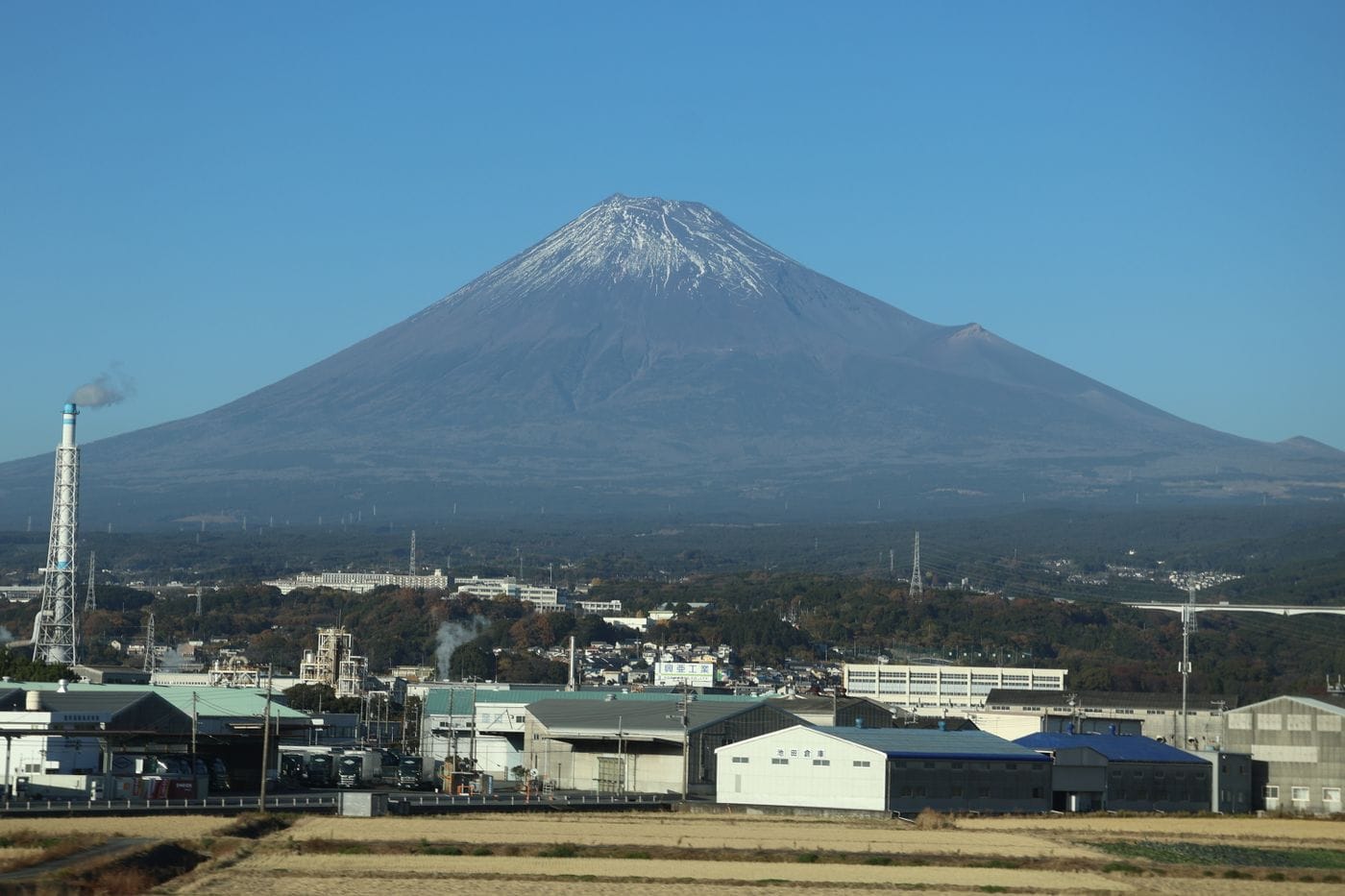
Mount Fuji (富士山, 3,776m)
Already covered in the dedicated article — Japan's highest peak and the most obvious Hyakumeizan starting point, requiring no technical skill.
Mount Tateyama (立山, 3,015m)
Accessible via the Tateyama Kurobe Alpine Route (covered in the dedicated article) — the cable car and ropeway infrastructure reduces the approach significantly, with the actual summit hike from Murodo manageable in a single day for moderately fit hikers.
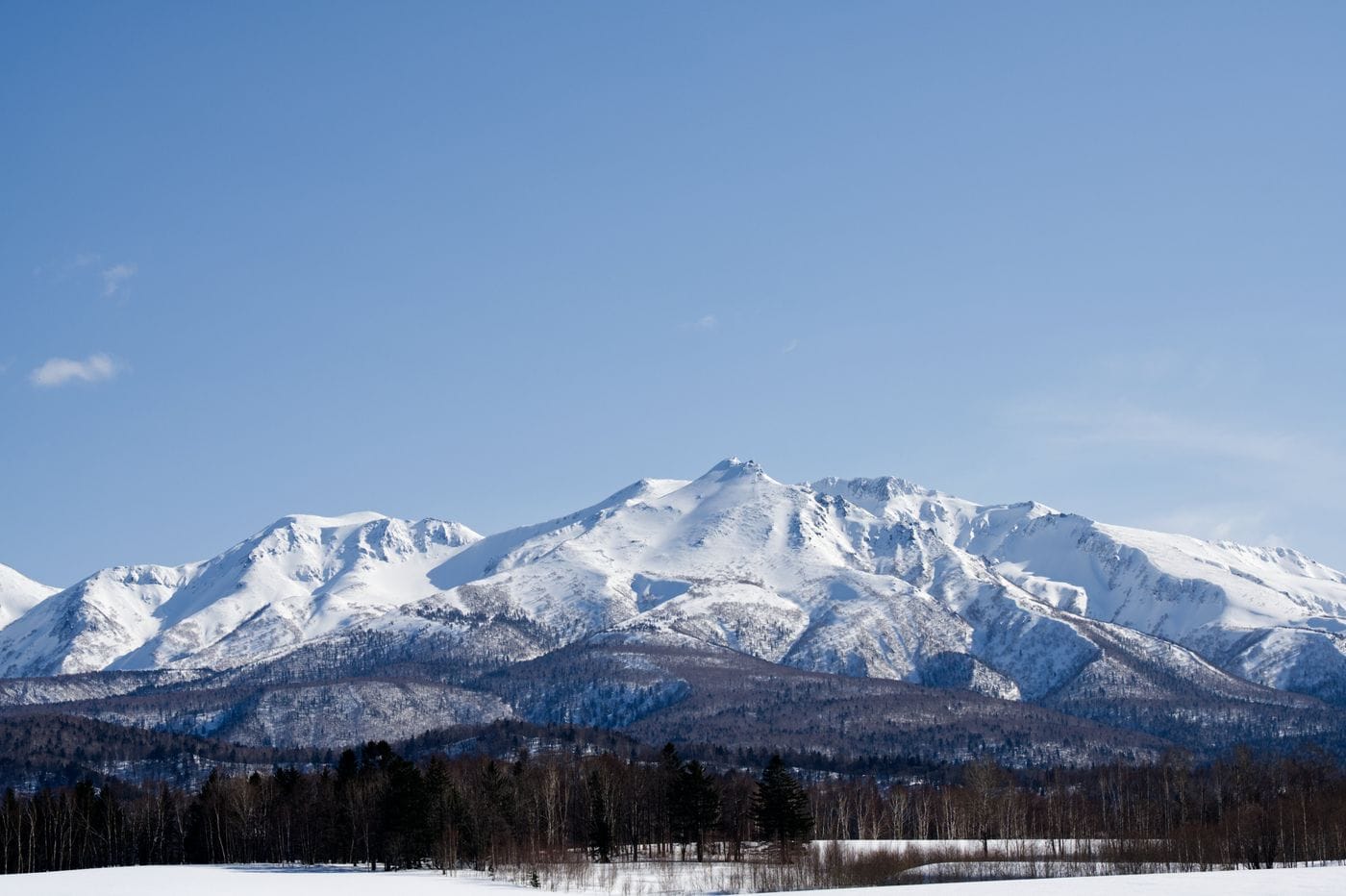
Mount Norikura (乗鞍岳, 3,026m)
One of the most accessible 3,000m peaks in Japan — a bus route ascends to Tatamidaira (畳平) at 2,702m, leaving approximately 1 hour of walking to reach the summit. Frequently recommended as Japan's easiest 3,000m peak.
Mount Tanigawa (谷川岳, 1,977m)
In Gunma Prefecture, accessible via ropeway to reduce the initial ascent — historically notorious for mountaineering accidents on its technical faces, but the standard hiking route (Tenjindaira course) is appropriate for fit beginners.
Mount Yatsugatake (八ヶ岳, 2,899m, highest peak Akadake)
A cluster of volcanic peaks in Nagano/Yamanashi offering routes of varying difficulty — popular for multi-day traverses among Japanese intermediate hikers, with mountain hut infrastructure supporting overnight stays.
Mount Kirishima (霧島山, 1,700m)
In Kyushu — a volcanic complex with relatively gentle ascent profiles compared to the higher Honshu peaks, providing Hyakumeizan access in a warmer climate with shorter trails.
The More Demanding Tier
For hikers with greater experience, the Hyakumeizan list includes Japan's most serious mountaineering objectives:
Mount Hotaka (穂高岳, 3,190m): Technical ridge climbing in the Northern Alps, requiring via ferrata experience and comfort with exposure.
Mount Tsurugi (剱岳, 2,999m): Widely considered Japan's most technically demanding standard mountaineering route, with chain-assisted sections on extremely exposed ridgeline.
Mount Yari (槍ヶ岳, 3,180m): The "Matterhorn of Japan" — a dramatic spire requiring chain and ladder sections near the summit, one of the most photographed peaks in the Japan Alps.
Practical Approach for Visitors
Mountain huts: Most Hyakumeizan peaks have yamagoya (山小屋 / mountain huts) providing dormitory accommodation and meals — essential infrastructure for multi-day approaches, requiring advance reservation during peak season (July–August, plus autumn foliage weekends).
Guides: Several companies offer English-language guided Hyakumeizan climbs, particularly valuable for the more technical peaks where local knowledge of route-finding and conditions significantly affects safety.
Seasonal window: Most Hyakumeizan peaks have a climbing season of approximately July through early October — outside this window, snow and ice conditions require winter mountaineering equipment and experience.
🏨 Planning where to stay?
Every area guide on this site pairs with honest, station-by-station hotel picks. Start here: Hotel Guides by Station →