This article may contain affiliate links. If you book through them, we may earn a small commission at no extra cost to you.
On this page
Introduction: The Japanese Amazon
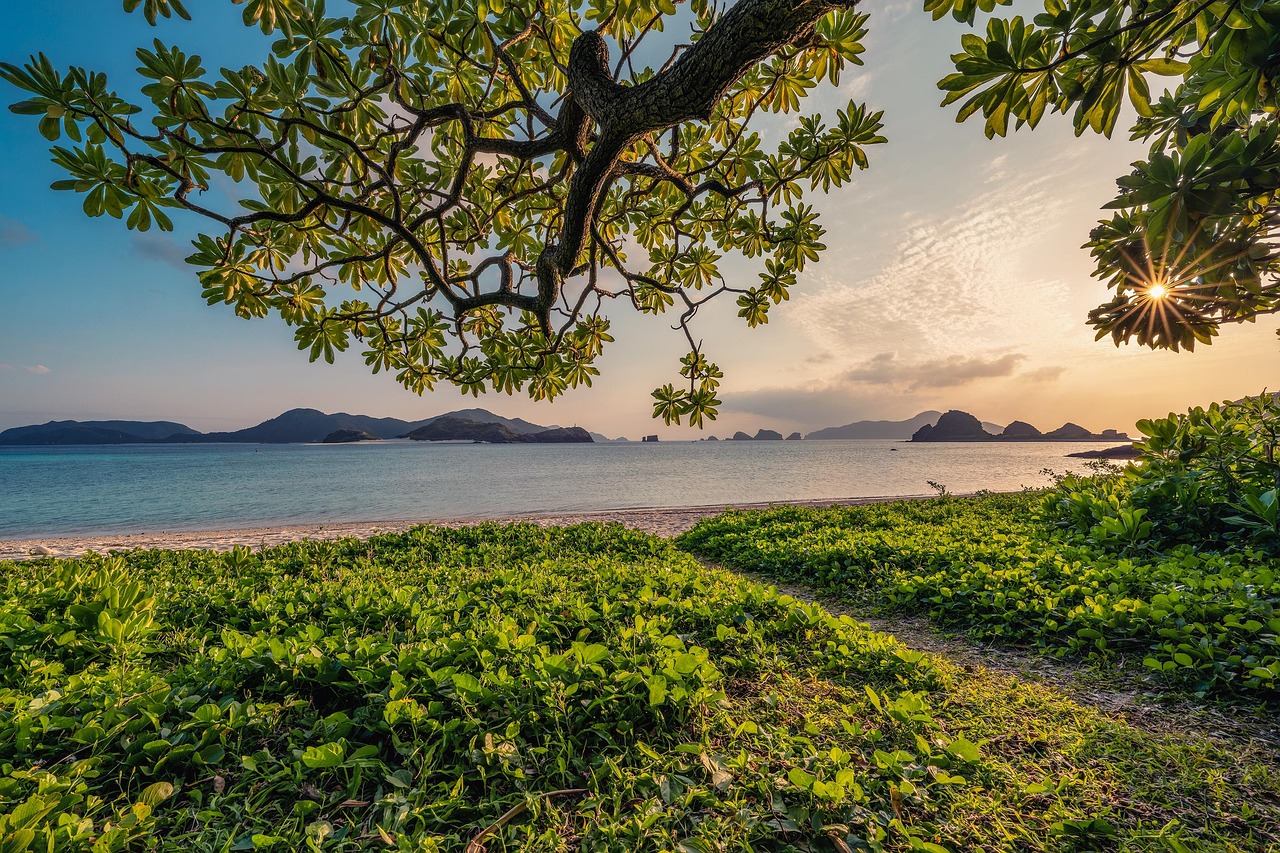
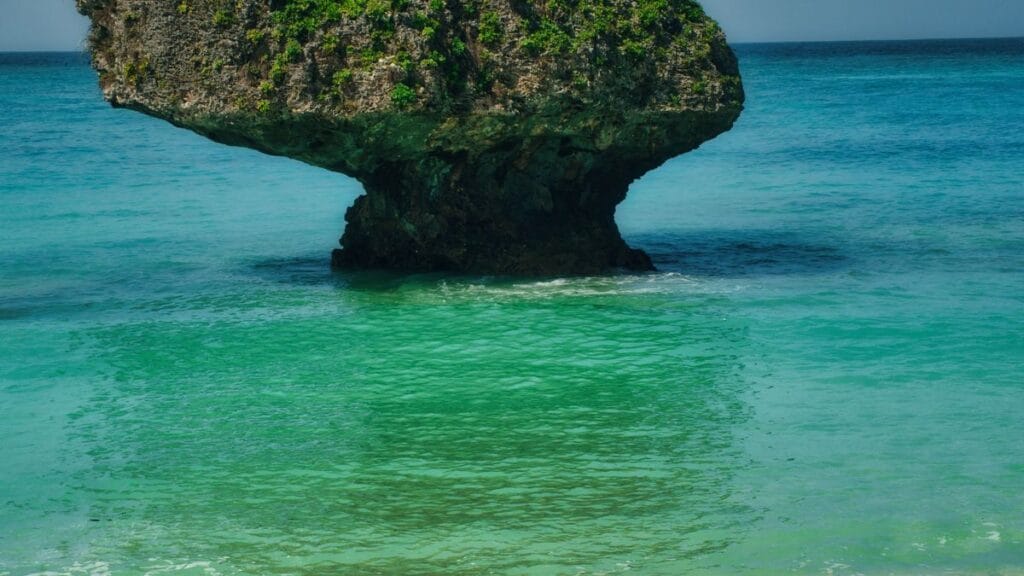
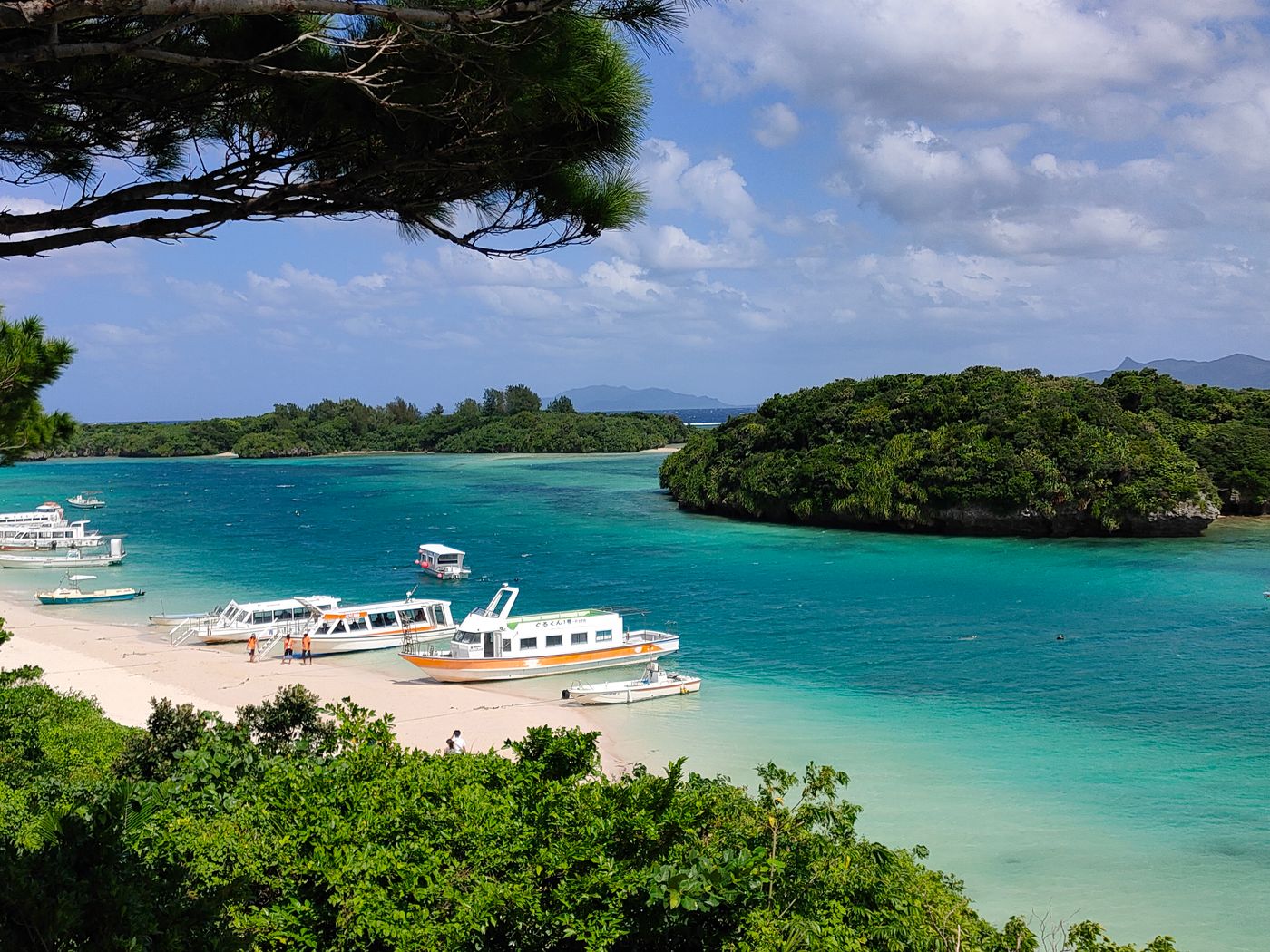
Iriomote Island (西表島) — 40 minutes by ferry from Ishigaki, Japan's second-largest island in the Ryukyu chain after Okinawa main island — is approximately 90% covered by subtropical jungle (亜熱帯の密林). The island has a human population of approximately 2,400 people, an infrastructure consisting of a single coastal road that does not complete a circuit, and an interior that remains largely unexplored wilderness accessible only by river, by boat, or on foot with guides.
The island is designated a UNESCO World Heritage Site (2021) as part of the Amami-Okinawa World Heritage Area — recognized for the extraordinary biodiversity of its subtropical forest, mangrove river systems, and coral reef coast. It is also home to the Iriomote wildcat (イリオモテヤマネコ / Prionailurus bengalensis iriomotensis) — one of the world's rarest felids, a subspecies of the leopard cat found only on this island, with an estimated population of approximately 100 individuals.
The Iriomote Wildcat (イリオモテヤマネコ)
The Iriomote wildcat was first scientifically described in 1967 — discovered living on this single island, unknown to science until the late 20th century. The animal is a subspecies of the Asian leopard cat (Prionailurus bengalensis) — a small spotted cat weighing approximately 3–4 kg — but evolved in island isolation into a form with specific adaptations including a distinctive round-tipped tail, reduced jaw musculature, and behaviors suited to the island's specific prey base (birds, reptiles, crustaceans, insects).
Probability of seeing one: Very low. The cat is nocturnal, shy, and present at such low density (approximately 100 individuals across the entire island) that even residents rarely encounter one. The most realistic expectation for visitors is road crossing marks (monitored by the wildlife protection program), occasional camera trap footage shown at the visitor center, and the awareness that you are sharing an island with one of the world's rarest cats.
Road crossings: The coastal road of Iriomote has wildcat crossing warning signs at intervals — the wildlife that does cross the road (including the wildcat) is a genuine hazard, and the signs are not decorative. The island's road has been a primary concern for the wildcat's survival, and speed limits are strictly enforced.
Mangrove Kayaking (マングローブカヌー)
The Urauchi River (浦内川) — Okinawa Prefecture's longest river — winds through the heart of Iriomote's jungle, its lower reaches flanked by Japan's largest mangrove forest. Kayaking through this mangrove system is the most accessible introduction to Iriomote's jungle world.
What mangrove kayaking offers: The specific quality of the mangrove environment — the buttress roots of the propagating mangroves creating aerial root systems at water level, the birds (kingfishers, herons, rails) moving through the root systems, the enclosed green world of the river channel filtering the tropical sky to a narrow green strip overhead — is unlike any other environment in Japan. The paddle is quiet enough to approach wildlife; the environment is active enough to provide constant visual interest.
Operators: Multiple kayak tour operators in Iriomote offer guided mangrove tours (half-day: approximately ¥5,000–¥7,000 per person, including guide, equipment, and transportation from ferry terminal). Solo kayak rental is also available for experienced paddlers.
Waterfall Trekking: Mariyudu & Kampirae
The Urauchi River system supports several significant waterfalls accessible by a combination of boat and jungle trekking:
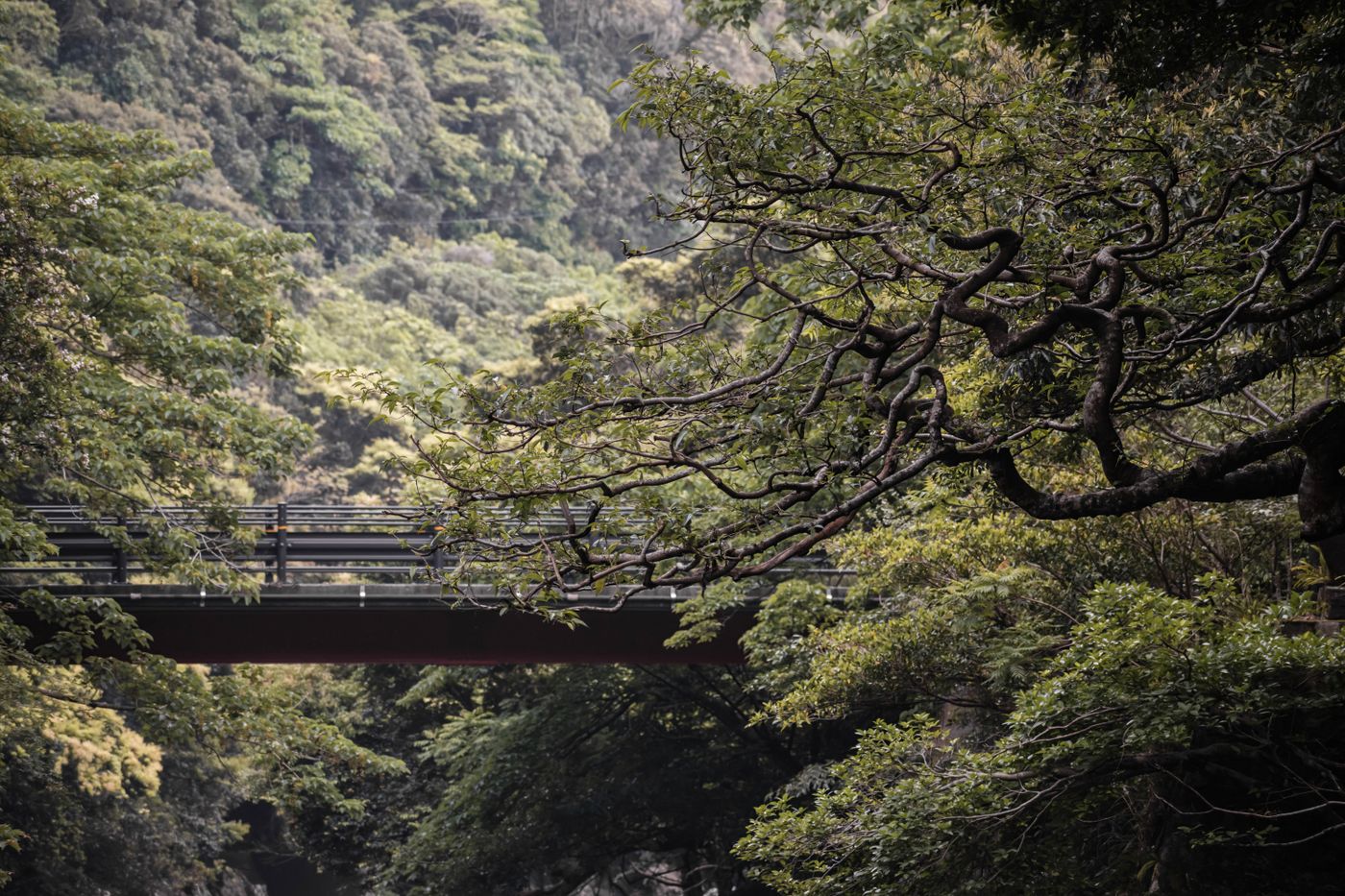
The Urauchi River Boat: The upper section of the Urauchi River is navigated by motor boat (approximately 30 minutes upstream from the river mouth) to a landing where jungle trails begin. The boat journey itself — through increasingly enclosed jungle, the river narrowing, the sound of insects and birds amplifying as motor noise and civilization recede — is a transition ritual between the coastal tourism world and the interior wilderness.
Mariyudu Falls (マリユドゥの滝): Japan's most beautiful waterfall according to some assessments — a wide curtain of water dropping 16 meters into a pool of extraordinary clarity, the jungle pressing close on all sides. The 40-minute trail from the boat landing crosses limestone terrain with the sound of water growing progressively louder.
Kampirae Falls (カンピレーの滝): Further upstream, a series of cascades over exposed limestone rock — the specific flat, sculptured limestone surface through which the water flows creates a visual like a large-scale natural sculpture installation.
The Pinaisara Falls (ピナイサーラの滝)
Pinaisara Falls — the largest waterfall in Okinawa Prefecture (30 meters) — is accessible via mangrove kayak through the Hinai River (ヒナイ川) system, followed by a jungle trek to the base (approximately 1.5 hours from kayak landing). The combined experience of kayaking through mangroves and then trekking through subtropical jungle to arrive at a significant waterfall is considered the most complete single-day Iriomote experience.
An alternative route climbs to the top of the falls — a more demanding trek that arrives at the waterfall's summit viewpoint looking out over the island's coast and the surrounding sea.
Star Gazing: Japan's Darkest Skies
The complete absence of light pollution in Iriomote's interior — combined with the subtropical latitude (24°N) that brings the full tropical sky overhead — creates Japan's most favorable stargazing conditions. The Milky Way is visible as a vivid band on clear moonless nights, and the southern sky's constellations (including parts of the southern sky visible only at this latitude within Japan) add celestial interest unavailable from mainland Japan.
Several accommodation options on Iriomote offer stargazing programs, and the absence of streetlighting on most of the island means that simply walking away from the guesthouses on a clear night is sufficient.
Recommended Base Hotels
Il Mare Unarizaki (Mid-range / from ¥14,000 per person with meals): Uehara area, closest to the major trekking and kayaking sites.
Hoshino Resorts Iriomote Hotel (Luxury / from ¥35,000 per person): The island's most upmarket accommodation (formerly Nirakanai), on Tudumari Beach with organized eco-tours.
Hostel-style guesthouses: Multiple basic accommodation options from approximately ¥5,000 per person cater to the trekking visitor community.
Planning where to stay in Kyushu & Okinawa? Browse our honest hotel picks and area guides.
🏨 Planning where to stay?
Every area guide on this site pairs with honest, station-by-station hotel picks. Start here: Hotel Guides by Station →