This article may contain affiliate links. If you book through them, we may earn a small commission at no extra cost to you.
On this page
Introduction: The Flower of Japan's Rainy Season
Ajisai (紫陽花 / hydrangea) blooms during Japan's least internationally celebrated season — the rainy season (梅雨 / tsuyu), typically running from early June through mid-July across most of Honshu. While the rain itself deters casual sightseeing, the hydrangea bloom that the season's humidity and consistent moisture produces has become one of Japan's most devotedly followed seasonal flowering events, with specific temples and gardens drawing significant domestic crowds despite (and partly because of) the unglamorous weather.
The flower's specific aesthetic appeal in Japanese garden culture relates to its color variability — hydrangea blossom color shifts based on soil pH (acidic soil producing blue tones, alkaline soil producing pink), and Japanese garden cultivation has exploited this property to create displays of extraordinary color range within single locations.
Meigetsuin (明月院), Kamakura: "The Temple of Hydrangea"
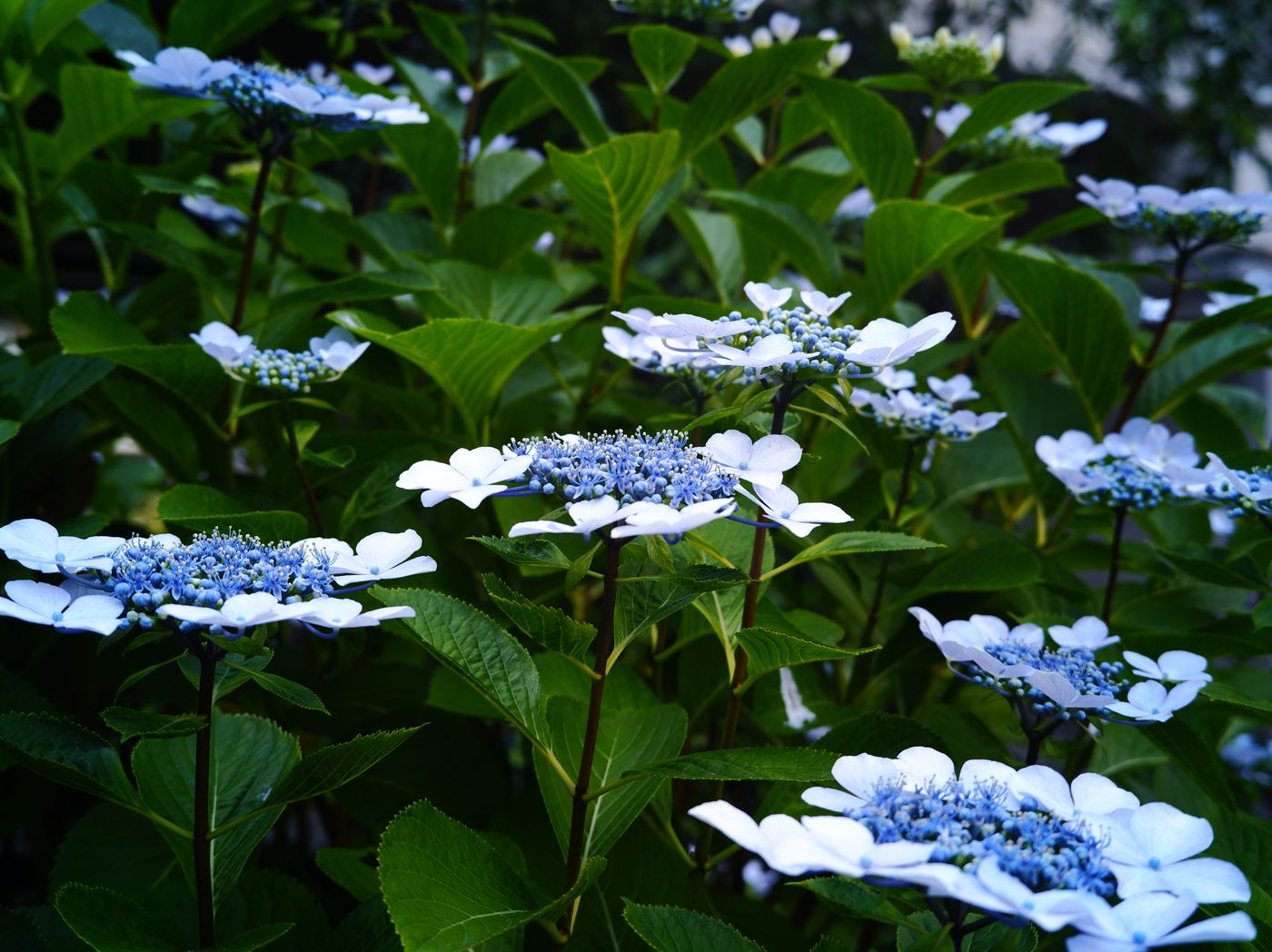
Meigetsuin — a small Rinzai Zen temple in Kamakura — has earned the nickname "Ajisai-dera" (紫陽花寺 / "Hydrangea Temple") for its approximately 2,500 hydrangea bushes, predominantly of the "Hime ajisai" (姫紫陽花) variety whose specific blue coloring has become so strongly associated with the temple that the color is sometimes informally called "Meigetsuin blue."
The approach path: The temple's entrance approach — a narrow stone path lined on both sides with densely planted hydrangea — creates a tunnel of blue blossom that is among Japan's most photographed single hydrangea compositions.
The round window (悟りの窓 / Satori no Mado): Within the temple's main hall, a circular window frames a view of the rear garden — during hydrangea season, this view incorporates the garden's seasonal color, and the specific framing (the circular window representing enlightenment in Zen symbolism) gives the seasonal display additional contemplative weight.
- Access: 10-minute walk from Kita-Kamakura Station.
Crowd management: Meigetsuin's narrow approach path creates significant bottlenecks during peak weekend bloom — arriving at the 9:00 AM opening is strongly recommended.
Hakusan Jinja (白山神社), Tokyo
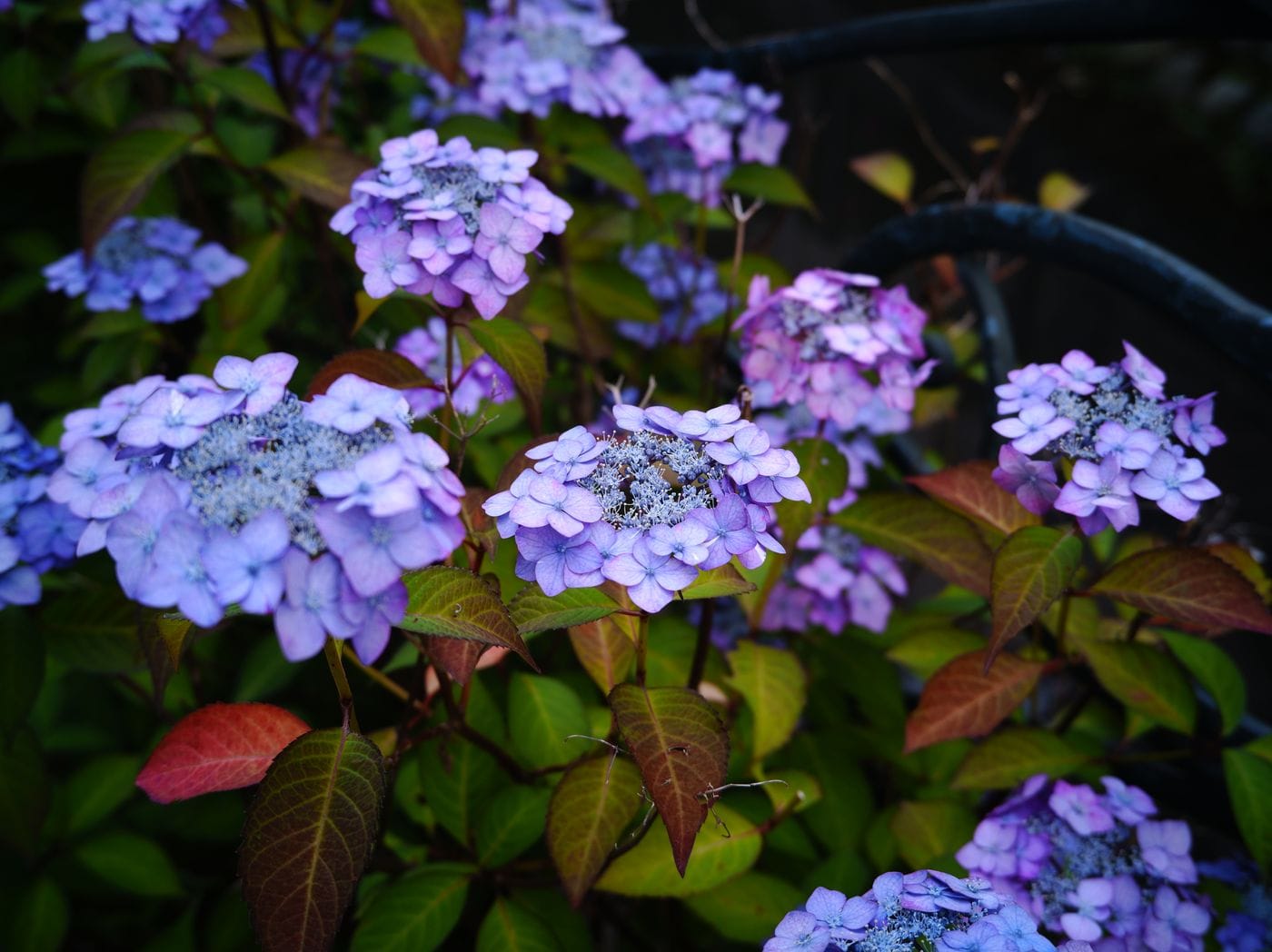
Hakusan Shrine in Bunkyo Ward — a relatively obscure neighborhood shrine outside of hydrangea season — transforms during June into one of central Tokyo's most significant hydrangea destinations, with approximately 3,000 hydrangea plants of 100 varieties planted throughout the shrine grounds and the adjacent Hakusan Park.
The Bunkyo Ajisai Matsuri (文京あじさいまつり): Held during peak bloom (typically mid-June), the festival transforms the shrine grounds with food stalls and evening illumination, while maintaining a significantly more local, less internationally-touristed atmosphere than Kamakura's famous temples.
- Access: Toei Mita Line: Hakusan Station, 5 minutes walk.
Other Tokyo-Area Hydrangea Destinations
Hase-dera (長谷寺), Kamakura: Already significant for its temple architecture and Great Buddha proximity (covered in the Kamakura article) — Hase-dera's hillside hydrangea path, with views over Kamakura's coastline, provides a complementary hydrangea destination to Meigetsuin within the same city.
Mount Takao: Already covered for its general hiking appeal — Takao's hydrangea displays along the lower trail sections provide a mountain-context hydrangea experience distinct from the temple gardens.
Tama Cemetery (多磨霊園): A large public cemetery in western Tokyo with significant hydrangea plantings along its main avenues — an unconventional but genuinely beautiful and uncrowded hydrangea destination, similar in character to Yanaka Cemetery's cherry blossom appeal.
How to View Hydrangea Properly
The rain consideration: Unlike cherry blossom (where rain is generally considered detrimental, accelerating petal fall), light rain or overcast conditions are considered ideal for hydrangea viewing — the moisture intensifies the flower's color saturation, and the specific atmosphere of a quiet temple garden in gentle rain is itself part of the aesthetic experience that Japanese garden culture associates with this season.
Bring appropriate gear: A quality umbrella or rain jacket is essential equipment rather than an inconvenience for proper hydrangea season visiting.
Planning where to stay in Tokyo? Browse our honest hotel picks and area guides.
🏨 Planning where to stay?
Every area guide on this site pairs with honest, station-by-station hotel picks. Start here: Tokyo Hotel Guides →