This article may contain affiliate links. If you book through them, we may earn a small commission at no extra cost to you.
On this page
Introduction: The World's Largest Comics Market
Comiket (コミケット / Comic Market) — held semi-annually at Tokyo Big Sight (東京ビッグサイト) in Odaiba — is the world's largest self-published comics and fan culture market, attracting roughly 260,000 attendees across its current two-day format (Summer Comiket 2026: August 15–16), with pre-2020 three-day events historically topping 700,000. The scale is genuinely disorienting to first-time visitors who arrive expecting a fan convention and encounter something closer to a small city temporarily organized around the exchange of self-published creative work.
What Comiket Is
Comiket is not primarily an anime convention or a commercial merchandise market — it is a self-publishing fair where approximately 35,000 circles (サークル / dōjin groups) sell directly to the public the creative work they have produced: manga, novels, illustration books, music CDs, games, and any form of self-published creative output.
Doujinshi (同人誌): The primary product category — self-published manga, typically short-form (20–60 pages), produced by circles ranging from single creators to organized groups, selling at prices typically between ¥500 and ¥1,500 per volume.
The doujinshi content spectrum: Doujinshi ranges from entirely original work (創作 / sōsaku) to fan fiction derivatives of existing commercial works (二次創作 / nijisōsaku) — the derivative category, technically infringing on commercial copyrights, operates under an informal understanding with commercial publishers who have generally chosen not to enforce against the doujinshi market, recognizing it as a creative ecosystem that contributes to overall fandom health.
The commercial area: In addition to the circle (creator) spaces, a corporate commercial area (企業ブース / kigyō būsu) is reserved for commercial companies selling official merchandise — this section has grown significantly and often has the longest queues.
Getting In
Tickets are now required — this changed after 2020: every attendee needs a paid, day-specific ticket or wristband. Early Entry tickets are allocated by advance lottery; regular AM/PM wristbands and e-tickets go on sale in the weeks before the event and can sell out. Your ticket is exchanged for a wristband on site, and general entry begins at 10:30 AM. Older guides describing free, ticketless entry are out of date. (System confirmed for Comiket 106+; checked July 17, 2026.)
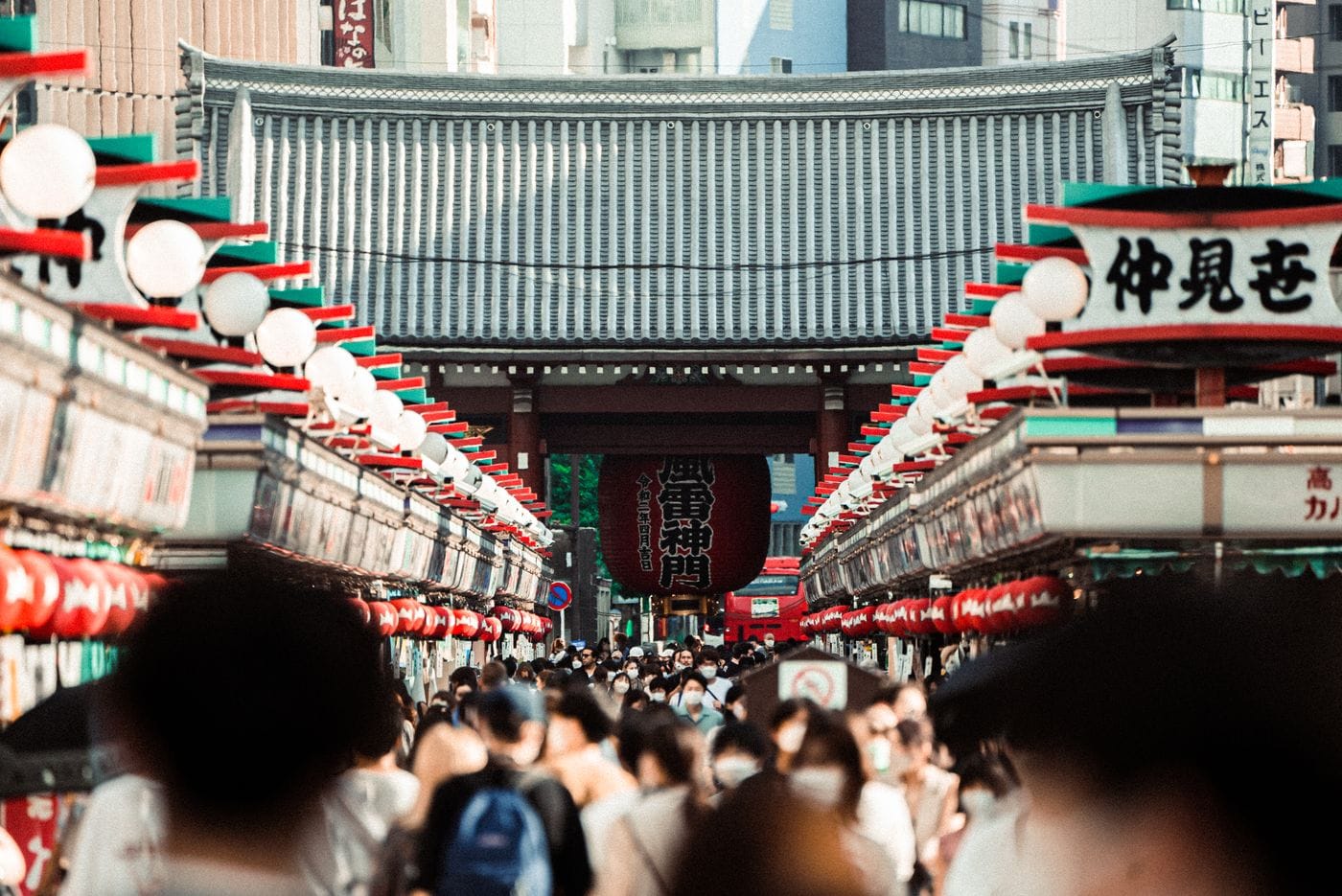
The queue reality: The queue at Comiket is one of the most famous management achievements in event history — tens of thousands of people organized into specific queue zones across the exhibition center surroundings, moved through security and entry procedures with sufficient efficiency that most attendees are inside within 1–3 hours of the open. The queue management staff (many of them long-term volunteers) are universally praised.
Priority arrival for popular items: For highly anticipated doujinshi from popular circles, holding an Early Entry ticket (lottery) or arriving well before the 10:30 AM general entry is necessary to have any chance of purchase before that circle's stock sells out.
Day selection: Comiket divides its catalog by genre across the event days — consulting the catalog (available digitally) to identify which day covers your primary interests is essential.
Navigation: The Catalog System
Comiket's catalog (カタログ) — a massive physical book or digital equivalent, available for purchase before the event — is the essential navigation tool. The catalog maps every circle's location in the event hall, categorizes circles by genre and associated work, and provides each circle's booth number.
Without the catalog, navigating Comiket's 35,000 circles across the enormous Tokyo Big Sight complex is essentially impossible for a first-time attendee.
Digital catalog (コミケWebカタログ): An app-based catalog that allows marking specific circles, creating custom maps of target locations, and sharing targets with companions.
What to Expect
The heat: Summer Comiket in August is held in one of the largest convention spaces in Japan — but the body heat generated by 100,000+ attendees in a single building, combined with Tokyo's August climate, creates temperatures inside the event that have historically caused heat-related illness. Water, cooling towels, and appropriate clothing are essential.
The queue culture: Japanese Comiket queueing culture is extraordinarily disciplined — queues form for popular circles before the event opens, move in organized fashion when the doors open, and are maintained by volunteer staff with a seriousness that most commercial events cannot match.
Cash only: Most circles sell cash-only. Bringing significant cash reserves (¥10,000–¥30,000 depending on your spending intentions) is essential.
🏨 Planning where to stay?
Every area guide on this site pairs with honest, station-by-station hotel picks. Start here: Hotel Guides by Station →