This article may contain affiliate links. If you book through them, we may earn a small commission at no extra cost to you.
On this page
Introduction: A Place That Deserves More Than Its Reputation
Aokigahara (青木ヶ原) — the dense forest at the northwestern base of Mount Fuji, also known as Jukai (樹海 / "Sea of Trees") — is a place of genuine natural wonder that has been so overwhelmingly defined internationally by its association with suicide that most coverage fails to describe what it actually is as a landscape, an ecological environment, and a place that Japanese people engage with in many different ways simultaneously.
This guide addresses the full reality of Aokigahara — the natural character, the cultural context, the suicide association and its appropriate understanding, and the question of how to visit respectfully.
If you are struggling and need support: In Japan, call the Inochi no Denwa (いのちの電話) helpline at 0120-783-556 (free, 24 hours). International visitors can reach the TELL Lifeline at 03-5774-0992 (English). You are not alone.
What Aokigahara Actually Is
A Volcanic Forest
Aokigahara sits on hardened lava flows from the eruption of Mount Fuji in 864 CE — one of the most significant Fuji eruptions in historical memory, which produced the lava field that now underlies the entire forest. The lava's surface is uneven, broken, and complex — roots grip volcanic rock rather than soil, producing trees whose bases spiral and clutch the stone in visually extraordinary ways.
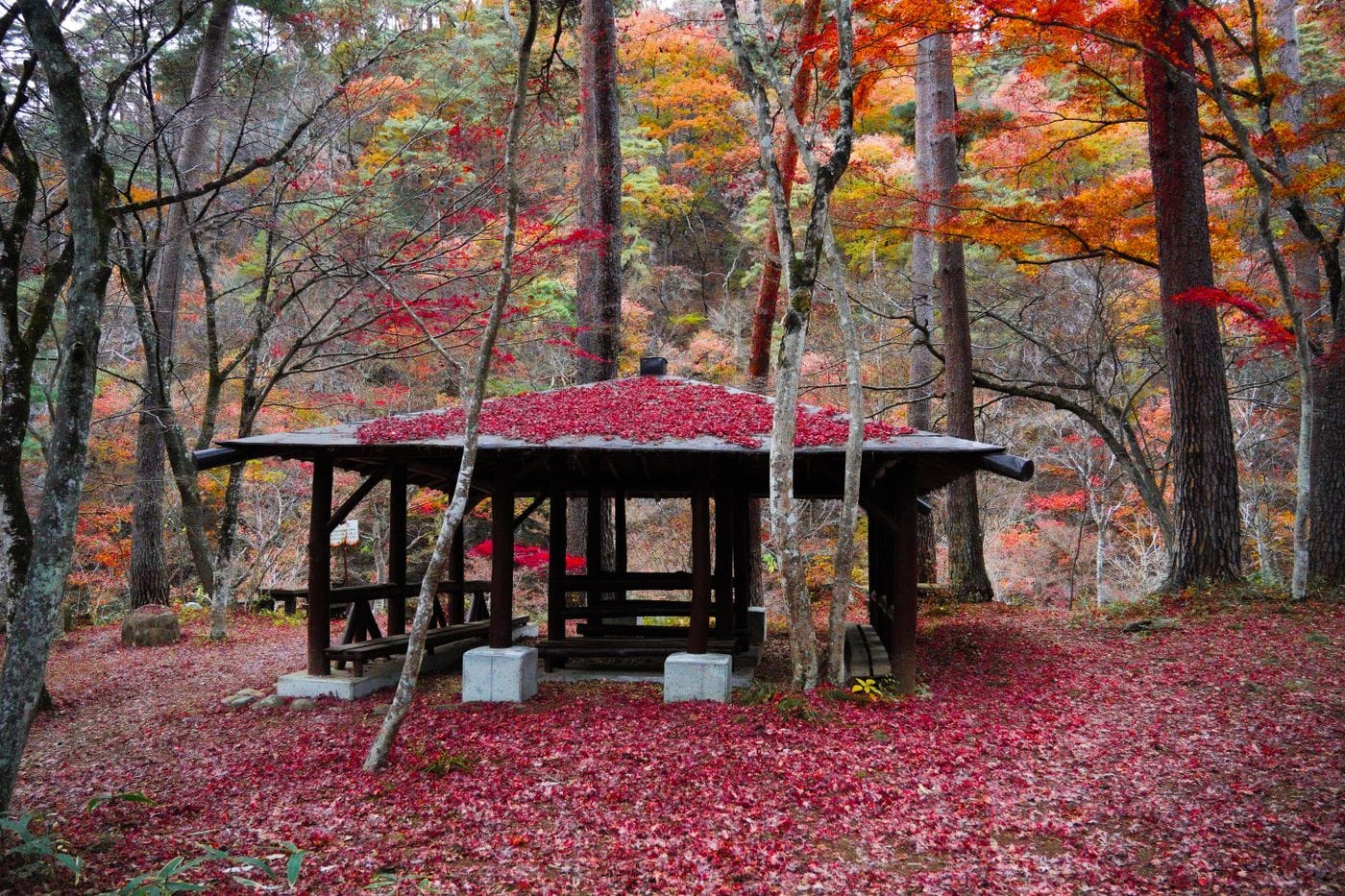
The forest character: The combination of the lava substrate, the volcanic rock's high iron content (which historically interfered with compass navigation), and the density of the tree canopy produces a specific landscape quality — a forest floor that is simultaneously visually beautiful (the spring green against dark volcanic rock, the complex root systems, the occasional glimpse of the lava caves beneath) and disorienting in character. The ground's unevenness and the canopy's thickness create conditions of reduced sound and altered spatial perception that visitors consistently describe as unusual.
The wind caves (風穴 / Fugaku Fuketsu): The lava flows beneath the forest created extensive cave systems, some of which maintain temperatures near freezing year-round due to cold air circulation. The Fugaku Wind Cave and Narusawa Ice Cave (鳴沢氷穴) are the two primary visitor attractions within the forest area — both easily accessible, both providing direct encounter with the volcanic geology underlying the forest.
Wildlife: Aokigahara supports populations of deer, wild boar, and numerous bird species — a healthy forest ecosystem, whatever else it is associated with.
The Compass Navigation Myth
The belief that compasses stop working in Aokigahara is partially true and significantly overstated. The volcanic rock does contain iron that can affect compass readings in specific locations — but modern GPS navigation functions normally throughout the forest, and experienced hikers navigate Aokigahara without unusual difficulty. The navigation myth has been amplified beyond its reality in international coverage.
The Suicide Association: Honest Context
The history: The association between Aokigahara and suicide intensified in the 1960s — specifically following the 1960 publication of Seicho Matsumoto's (松本清張) novel "Nami no Tō (波の塔 / Tower of Waves)," whose heroine walks into Aokigahara in its closing pages, and subsequently the 1993 publication of a suicide guide (since withdrawn) that specifically recommended the forest.
The current reality: Local authorities and the relevant national organizations do not publicly release current statistics about suicide in Aokigahara — a deliberate policy decision based on the documented evidence that public reporting of specific locations increases the phenomenon it documents. This guide similarly declines to amplify this information beyond what's necessary for understanding.
The prevention infrastructure: The forest's access roads and the primary path network have intervention signage in Japanese asking visitors to reconsider and providing helpline numbers. Volunteer patrols operate in the forest. The local municipal government and mental health organizations have worked consistently on prevention and awareness.
The tourism tension: Aokigahara has become one of Japan's most internationally searched travel destinations — driven primarily by the suicide association rather than the forest's genuine natural value. Several categories of this tourism are actively harmful: "dark tourism" that treats the forest as a death spectacle, social media content that sensationalizes the location, and content (including a 2018 YouTube video that became a major international controversy) that exposed the actual human cost of the location's crisis. Japanese authorities and mental health advocates have consistently asked that media coverage of Aokigahara focus away from the crisis element.
How to Visit Appropriately
The appropriate visit: The Fugaku Wind Cave and Narusawa Ice Cave are legitimate tourist destinations with formal parking, ticket booths, and guided access — visiting these geological formations is entirely appropriate and contextually normal tourist activity in the area.
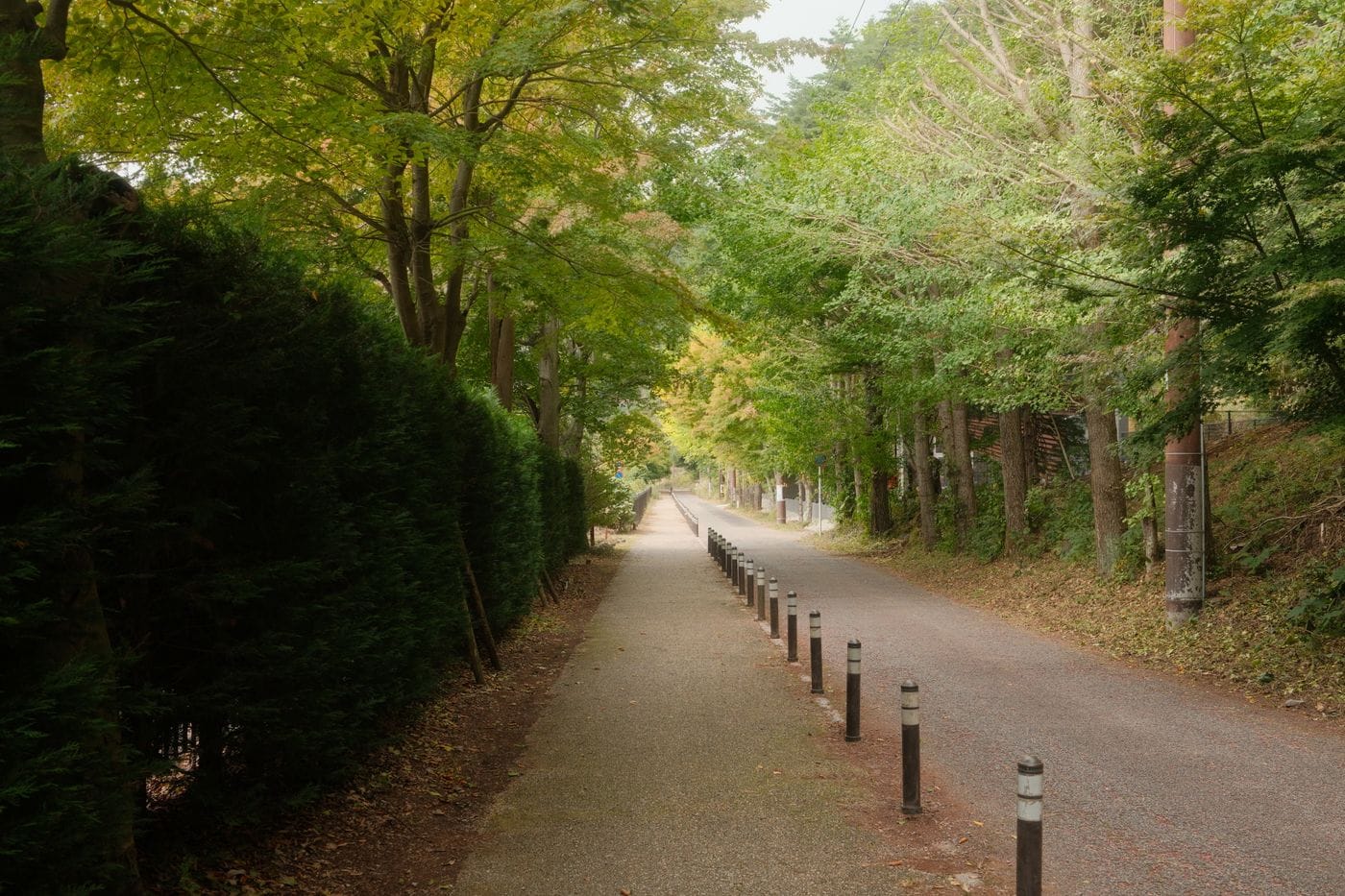
The nature walk: The signposted Saiko Bat Cave Natural Area Walk and similar designated paths through the forest provide genuine forest walking with appropriate context — the natural beauty of the volcanic forest is real and worth experiencing.
What not to do: Leaving designated paths to explore the interior, "searching" for evidence of the forest's darker associations, posting content that sensationalizes the location, or creating media that frames Aokigahara primarily as a site of death.
Planning where to stay in Yamanashi? Browse our honest hotel picks and area guides.
🏨 Planning where to stay?
Every area guide on this site pairs with honest, station-by-station hotel picks. Start here: Hotel Guides by Station →