This article may contain affiliate links. If you book through them, we may earn a small commission at no extra cost to you.
On this page
Introduction: The Island That Got Left Off the Map
Amami Oshima (奄美大島) occupies an unusual geographic and cultural position: it sits approximately halfway between Kyushu and Okinawa, politically part of Kagoshima Prefecture rather than Okinawa, culturally closer to the Ryukyu tradition than to mainland Kagoshima, and ecologically among the most biodiverse islands in Japan.
The island was part of the “Amami-Ōshima, Tokunoshima, Northern Okinawa Island and Iriomote Island” World Heritage Site designated in 2021 — recognized for its extraordinary biodiversity (Yakushima, often mentioned alongside it, is a separate site listed back in 1993) — yet remains far less visited than any of its co-designees. This neglect is partly infrastructural (Amami is less connected than Okinawa main island) and partly a consequence of being between categories: not quite the tropical beach culture of the Yaeyamas, not quite the alpine wilderness of Yakushima, and not quite the historical depth of Okinawa.
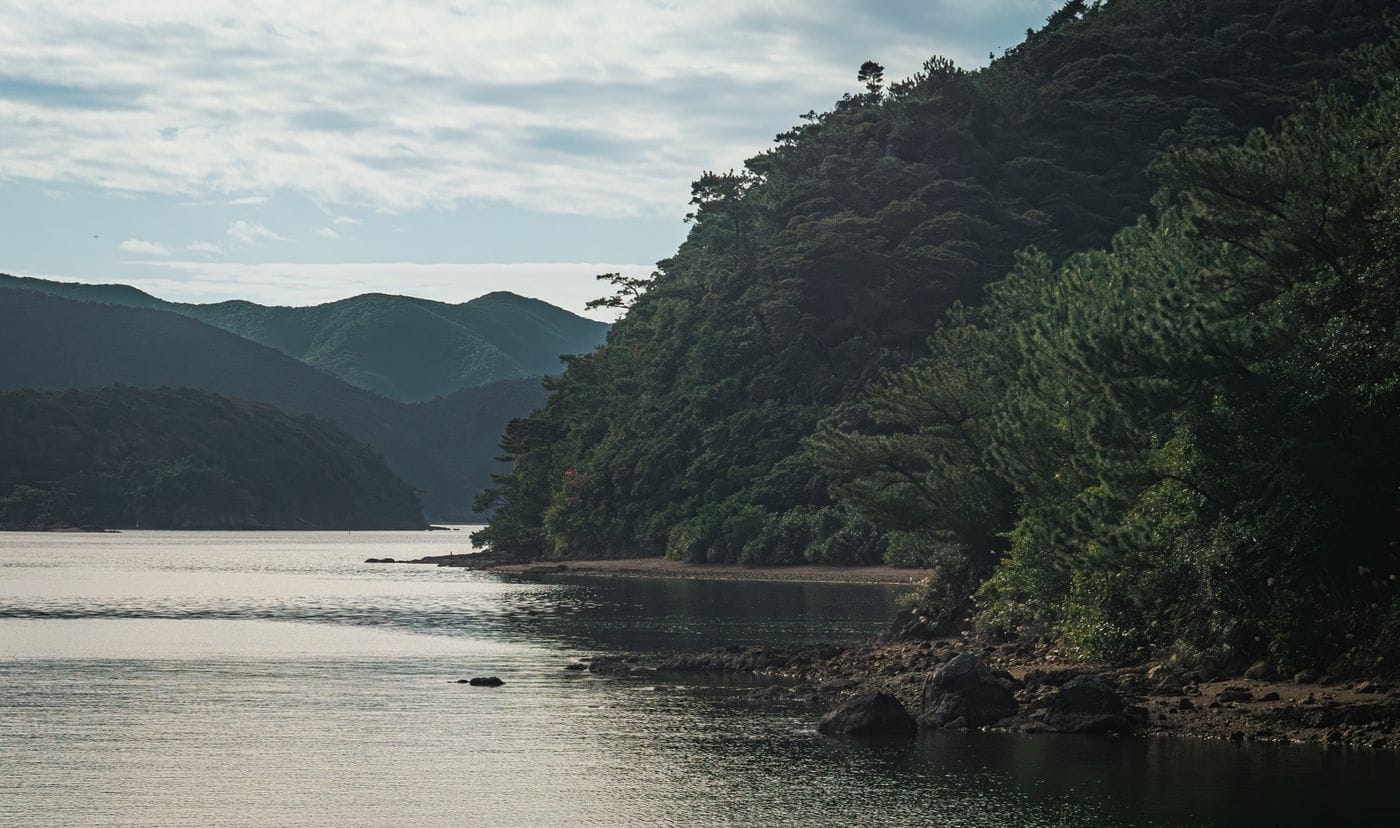
What it actually is: a large (712 km²), mountainous, subtropical island with exceptional primary forest, extraordinary birdlife and endemic species, beautiful beaches of a less developed character than Okinawa's resort coast, and a culture that synthesizes Ryukyuan musical tradition with Kagoshima Buddhist heritage in a combination found nowhere else.
The World Heritage Forest: Biodiversity
The UNESCO designation recognized Amami's subtropical primary forest — covering approximately 50% of the island's mountain interior — as one of the most significant biodiversity concentrations in Japan. Key endemic and rare species include:
Amami Rabbit (アマミノクロウサギ / Pentalagus furnessi): The world's most primitive surviving rabbit species — found only on Amami and Tokunoshima. Dark-colored, short-eared, and nocturnal, the Amami Rabbit is a living representative of the ancestral rabbit form that preceded the diversification of modern rabbit species. Observing one (night guided tours offer the best probability) is one of the most evolutionarily significant wildlife encounters available in Japan.
Amami Jay (ルリカケス / Garrulus lidthi): The endemic jay of the Amami islands — a brilliantly colored bird (deep blue with rufous wing patches) found only in the primary forest of Amami and Tokunoshima. Common enough in the forest interior to be reliably encountered on guided bird walks.
Habu (ハブ): The Amami habu is a venomous pit viper endemic to the island — present in forest and coastal areas and a genuine safety consideration for forest exploration. Night guided tours use flashlights to detect habu on paths before stepping. The snake's presence (and the cultural history of habu-human coexistence in Amami) is part of the island's ecological character.
Beaches and Coast
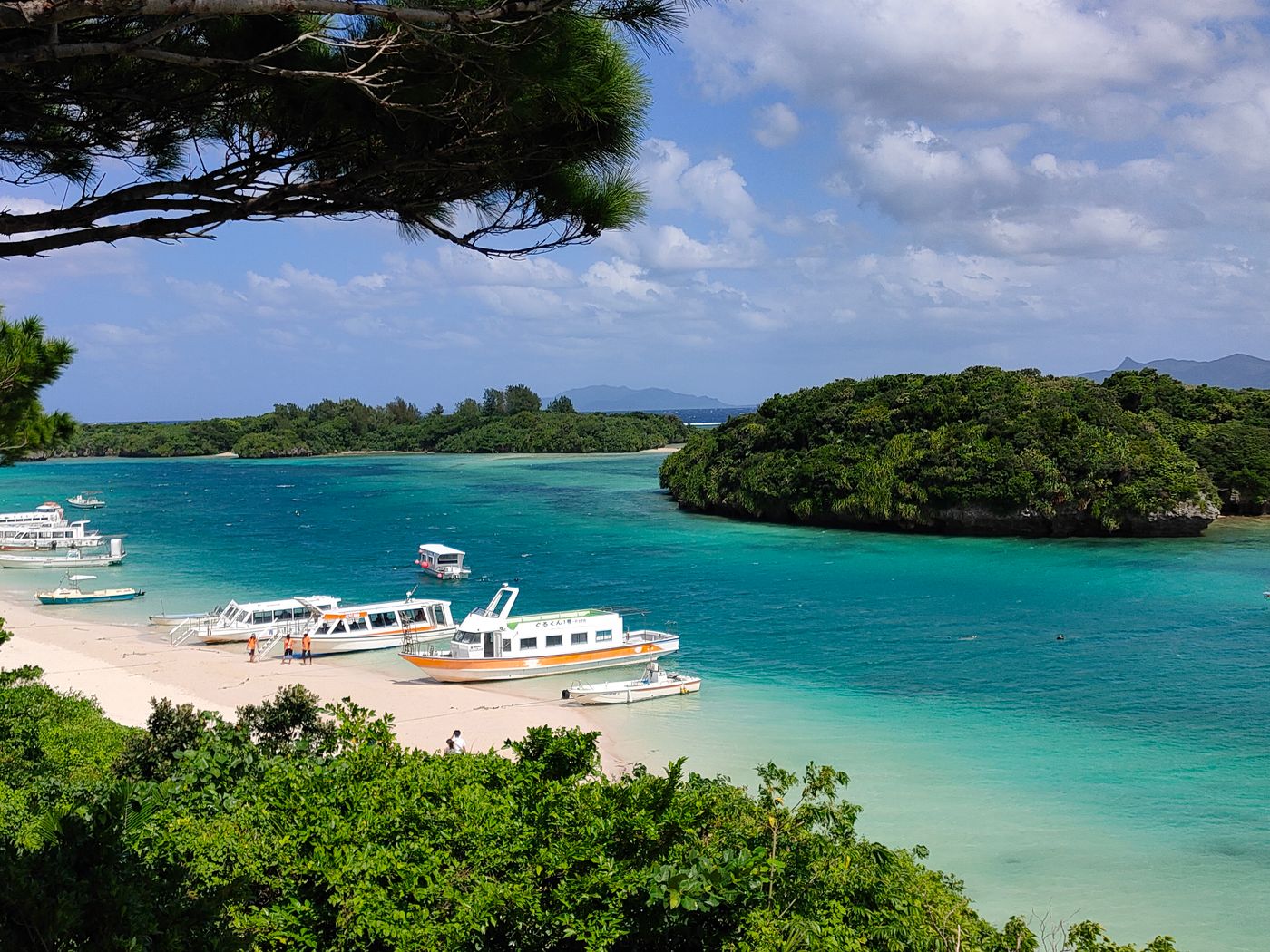
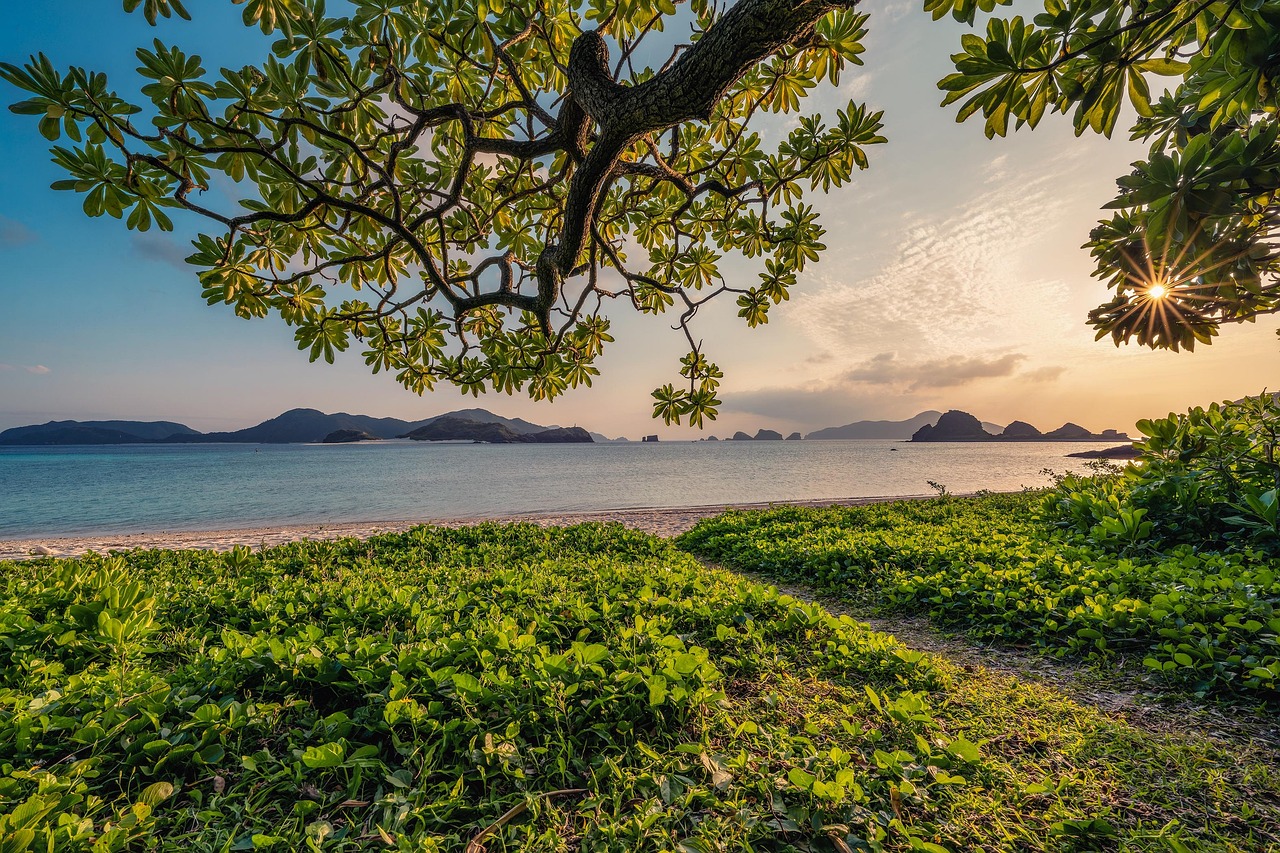
Amami's beaches have a different character from Okinawa's well-developed resort coast — less manicured, more variably developed, with sections of genuine wilderness beach alongside the more accessible holiday facilities.
Ohama Beach (大浜海浜公園): The most accessible beach near Amami City, with good facilities and reliable swimming. The beach's orientation provides sunset views over the East China Sea.
Tomori Beach (土盛海水浴場): Frequently cited in Japanese travel media as the finest beach on Amami — a crescent of white sand with the characteristic Amami water color (slightly darker and more intense than Okinawa main island due to the deeper water profile).
Amami Silk (大島紬): The World's Finest Pongee
Oshima Tsumugi (大島紬) — the silk fabric produced in Amami Oshima using a combination of pre-dyeing the silk threads with Sharinbai tree tannins and iron-rich mud (the dye process gives the fabric its characteristic dark, lustrous surface) — is considered one of the world's finest woven fabrics. The production process (one kimono length requires approximately one year of work by skilled craftspeople) and the specific quality of the resulting fabric (light, durable, with a depth of color unavailable from synthetic or surface-dyed fabrics) justify both the price (a full kimono in genuine Oshima Tsumugi costs ¥500,000–¥2,000,000) and the designation as an Intangible Cultural Heritage.
The Oshima Tsumugi Village (奄美大島紬村): Provides the most accessible introduction to the production process — demonstration weaving, mud-dyeing experience (participants can dye a handkerchief using the traditional iron-mud process), and retail purchase.
Recommended Base Hotels
- Hotel Uraneri (Mid-range / from ¥14,000): Amami City, convenient for forest tours and beach access.
- Coral Palm Amami (Mid-range / from ¥12,000): Quiet beachside location.
Amami Resort Bashayamamura (Mid-range / from ¥18,000 per person): Forest-adjacent, excellent for wildlife tour access.
Planning where to stay in Kyushu & Okinawa? Browse our honest hotel picks and area guides.
🏨 Planning where to stay?
Every area guide on this site pairs with honest, station-by-station hotel picks. Start here: Okinawa Hotel Guides →