This article may contain affiliate links. If you book through them, we may earn a small commission at no extra cost to you.
Kyushu Shinkansen Guide · Shin-Omuta Station
Shin-Omuta Station Guide: The Miike Coal-Mine Heritage —
A UNESCO Industrial Story on the Ariake Sea
A Tsubame Stop · Japan’s Industrial Revolution · A World-Heritage Coal Mine, an Amusement Park & Tidal Flats
🚄 Hakata ~30 min · Kumamoto ~15 min — Tsubame (and some Sakura)
⛏️ The Miike Coal Mine, a UNESCO World Heritage site
🎢 The Greenland amusement park nearby
🌅 Sunsets over the tidal Ariake Sea
On this page
What Kind of Area is Shin-Omuta? A Local’s Honest Take
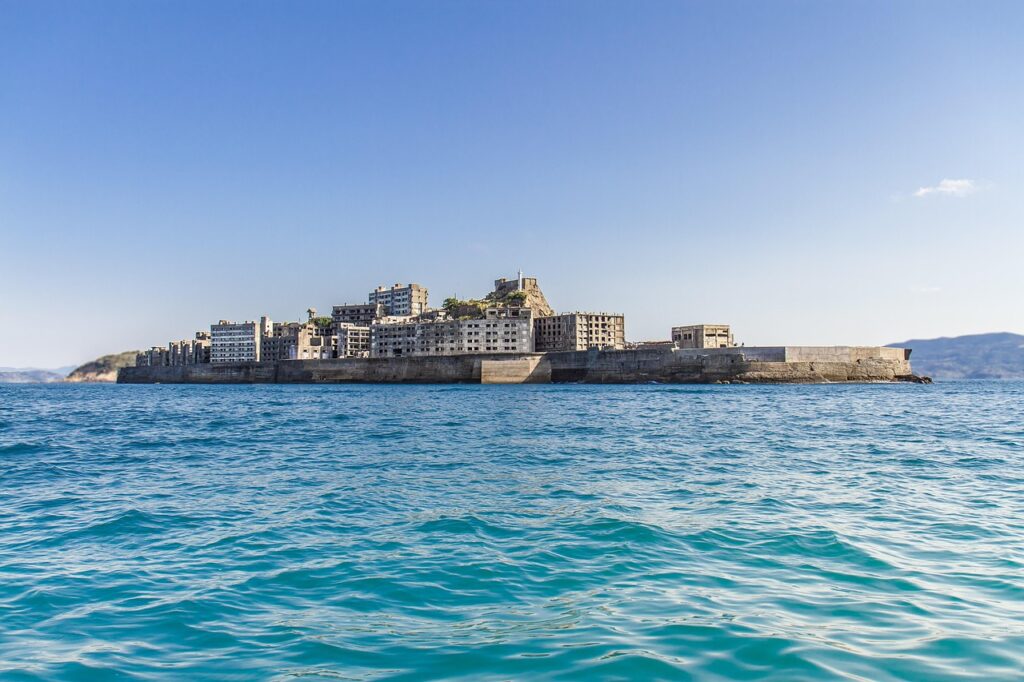
Shin-Omuta serves Omuta, a Fukuoka city on the Ariake Sea that tells one of the key stories of modern Japan. This was a great coal-mining town, and the Miike Coal Mine — with its preserved Manda Pit and port — is part of the UNESCO-listed “Sites of Japan’s Meiji Industrial Revolution.” The mine’s history is layered and sobering (it included the use of forced and prisoner labour), and visiting it is a way to understand the human cost behind the country’s rapid industrialisation.
Tsubame services stop here, with some Sakura, about 30 minutes from Hakata. Beyond the industrial heritage, the area has one of Kyushu’s biggest amusement parks and the vast tidal flats of the Ariake Sea. It is a special-interest stop — rewarding for those drawn to industrial history — rather than a general base.
The red-brick Manda Pit, with its towering winding gear and engine houses, is a powerful monument to the age of coal — and the museums nearby tell the fuller, more difficult human history behind Japan’s industrial rise.
Getting Around from Shin-Omuta
🚄 Shinkansen
Hakata ~30 min · Kurume ~10 min · Kumamoto ~15 min — Tsubame (and some Sakura). The fast trains pass through.
🚃 To the coal-mine sites
Local buses and taxis reach the Manda Pit and the Omuta coal-industry museums; the conventional Omuta Station is closer to the city centre.
🌅 To the Ariake coast
Roads and paths reach the tidal flats, famous for their vast low-tide expanses and sunsets.
What to See Around Shin-Omuta
⛏️ Miike Coal Mine (Manda Pit)
The preserved winding gear, engine houses and port of a UNESCO World Heritage industrial site, with museums interpreting the full history.
🎢 Greenland
One of Kyushu’s largest amusement parks, with a big roller-coaster line-up — a family draw just outside the city.
🌅 Ariake Sea Tidal Flats
The huge tidal mudflats of the Ariake, home to unusual wildlife and celebrated sunsets.
Where Should You Actually Stay?
Accommodation is limited; many visit as a day trip.
🏨 Station & city hotels: A few business hotels serve Omuta for a heritage-focused overnight.
🏰 City bases nearby: Kumamoto (15 min) and Kurume (10 min) offer more choice with an easy day trip.
🏙️ Fukuoka: Hakata is 30 minutes away for a full-city base.
Overall Rating: Shin-Omuta Area
| Category | Rating | Notes |
|---|---|---|
| Shinkansen Access | ★★★☆☆ | Tsubame/some Sakura, ~30 min from Hakata |
| Around the Station | ★★☆☆☆ | Industrial city; sites need transport |
| Heritage & Attractions | ★★★★☆ | UNESCO coal mine, amusement park, tidal sea |
| Hotel Choice | ★★☆☆☆ | Limited; stay in Kumamoto or Fukuoka |
| Charm & Atmosphere | ★★★☆☆ | A meaningful industrial-history stop |
Who Should Visit or Stay?
✔ Industrial-heritage and history travelers
✔ Families visiting Greenland
✔ Photographers of the Ariake tidal flats