This article may contain affiliate links. If you book through them, we may earn a small commission at no extra cost to you.
On this page
Introduction: The Film That Made an Entire City Sacred
"Your Name" (君の名は / Kimi no Na wa, 2016) — directed by Makoto Shinkai (新海誠) — became one of the highest-grossing anime films in Japanese history (second only to Spirited Away on release), and its specific depiction of Tokyo locations with a precision and beauty that treats the city as a subject in its own right has produced one of the most intensively documented and most actively visited anime pilgrimage circuits in Japan.
Shinkai's animation team photographed and painted Tokyo's actual locations — not stylized evocations but precise renderings of specific intersections, stairways, stations, and skylines — making "Your Name" a love letter to the city that doubles as a precise documentary of its appearance at a specific moment in time.
The Tokyo Locations
Suga Shrine Stairs (須賀神社の石段): The Film's Most Iconic Image
The stone staircase leading to Suga Shrine (須賀神社) in Shinjuku Ward is the most reproduced image from the film — the specific composition of the staircase in the scene where the two protagonists finally recognize each other has been reproduced by tens of thousands of pilgrims.
- Location: 5 minutes walk from Yotsuya-sanchome Station (Tokyo Metro Marunouchi Line).
The reality: The staircase is exactly as depicted — stone steps, the shrine at the top, the view down the stairs to the street below. The location is a functioning Shinto shrine whose residential neighborhood character is entirely ordinary outside the pilgrimage attention it now receives.
Visiting: The shrine is open to the public at all hours, the staircase accessible from the street. The reproduction shot (standing at the top or bottom of the stairs in the correct angle) is the primary pilgrimage activity. Visiting on weekdays avoids the heaviest pilgrim traffic.
Yotsuya and Yotsuya-sanchome Station Area
The broader Yotsuya (四谷) area surrounding Suga Shrine appears extensively in the film — the residential streets, the intersection beneath the railway line, and the view of the tracks from below are all recognizable from the film and form part of the extended pilgrimage circuit.
Hida-Furukawa Station and Surroundings (Gifu)
The Mitsuha sequences in the rural setting are based on Hida-Furukawa (飛騨古川) — a small historic town approximately 15 minutes north of Takayama on the JR Hida Line.
Hida-Furukawa Station: The exterior of the station appears directly in the film — the specific architecture of the small rural station, the single track, the platform configuration are all directly depicted.
Furukawa's Preserved Town: The historic merchant district of Furukawa, with its well-preserved white plaster walls and traditional architecture, provides the general visual atmosphere of the film's fictional Itomori village.
The carp in the canal: The famous scene of Mitsuha watching large carp in an irrigation canal is directly inspired by the actual large koi visible in Furukawa's water channels — the carp are still there, and observing them from the same canal position as depicted is one of the most emotionally resonant specific moments of the pilgrimage.
Additional Tokyo Locations
Shinjuku Station South Exit Area: Several shots of the protagonists searching for each other in Tokyo's urban mass are set in and around the south exit of Shinjuku Station.
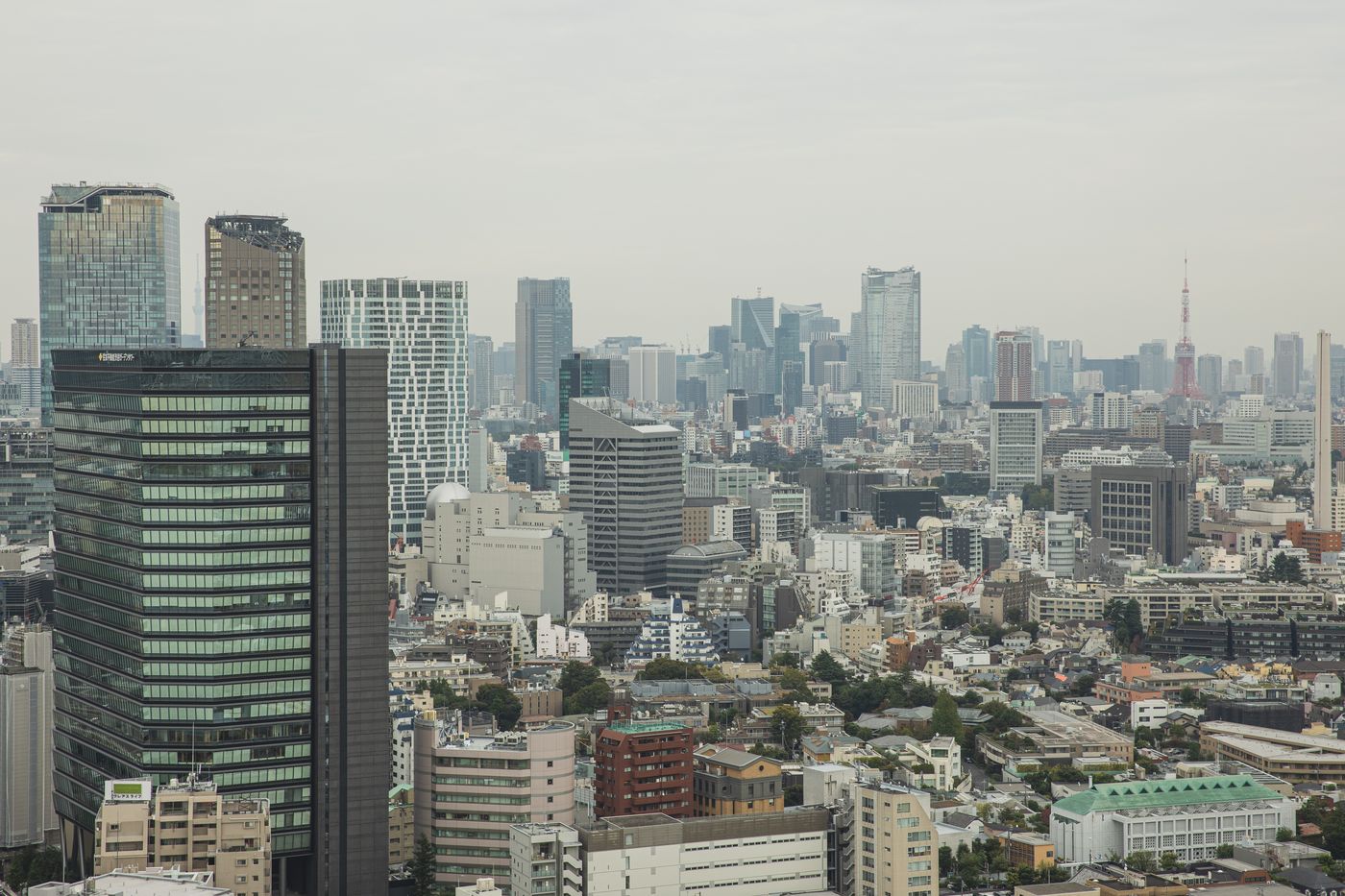
Sangenjaya and surrounding residential areas: Several background shots of Taki's Tokyo life are drawn from the Setagaya Ward residential areas — the specific mid-rise residential apartment character of this part of Tokyo is recreated faithfully.
The Stairway to the Sky: The distinctive elevated railway crossing near Yotsuya — where a character stands watching trains pass overhead — is a specific infrastructure element reproduced with precision.
Shinkai's Other Tokyo Films
The Yotsuya area and Shinjuku region appear in several other Makoto Shinkai works:
"The Garden of Words" (言の葉の庭, 2013): Primarily set in Shinjuku Gyoen National Garden — the Japanese garden depicted in rain sequences throughout the film. Visiting Shinjuku Gyoen during the rainy season (June–July) provides the specific weather conditions of the film.
"Weathering With You" (天気の子, 2019): Set in Shinjuku — multiple specific locations including the Nishi-Shinjuku skyscraper district and the rooftop elements.
Recommended Base Hotels
Shinjuku area hotels: For all Tokyo Shinkai pilgrimage locations; both Yotsuya and Shinjuku are within easy Metro access.
Planning where to stay in Tokyo? Browse our honest hotel picks and area guides.
🏨 Planning where to stay?
Every area guide on this site pairs with honest, station-by-station hotel picks. Start here: Tokyo Hotel Guides →