This article may contain affiliate links. If you book through them, we may earn a small commission at no extra cost to you.
On this page
Introduction: The Simplest and the Most Complex
Yakitori (焼き鳥 / grilled bird) is simultaneously Japan's simplest food and one of its most technically demanding. The simplicity: chicken, on a skewer, over charcoal. The complexity: the same bird, cut into dozens of distinct parts, each with different fat content, texture, and flavor, each requiring a specific cooking time and temperature, served with specific accompaniments, in a specific sequence that builds through the meal in the way a kaiseki course does.
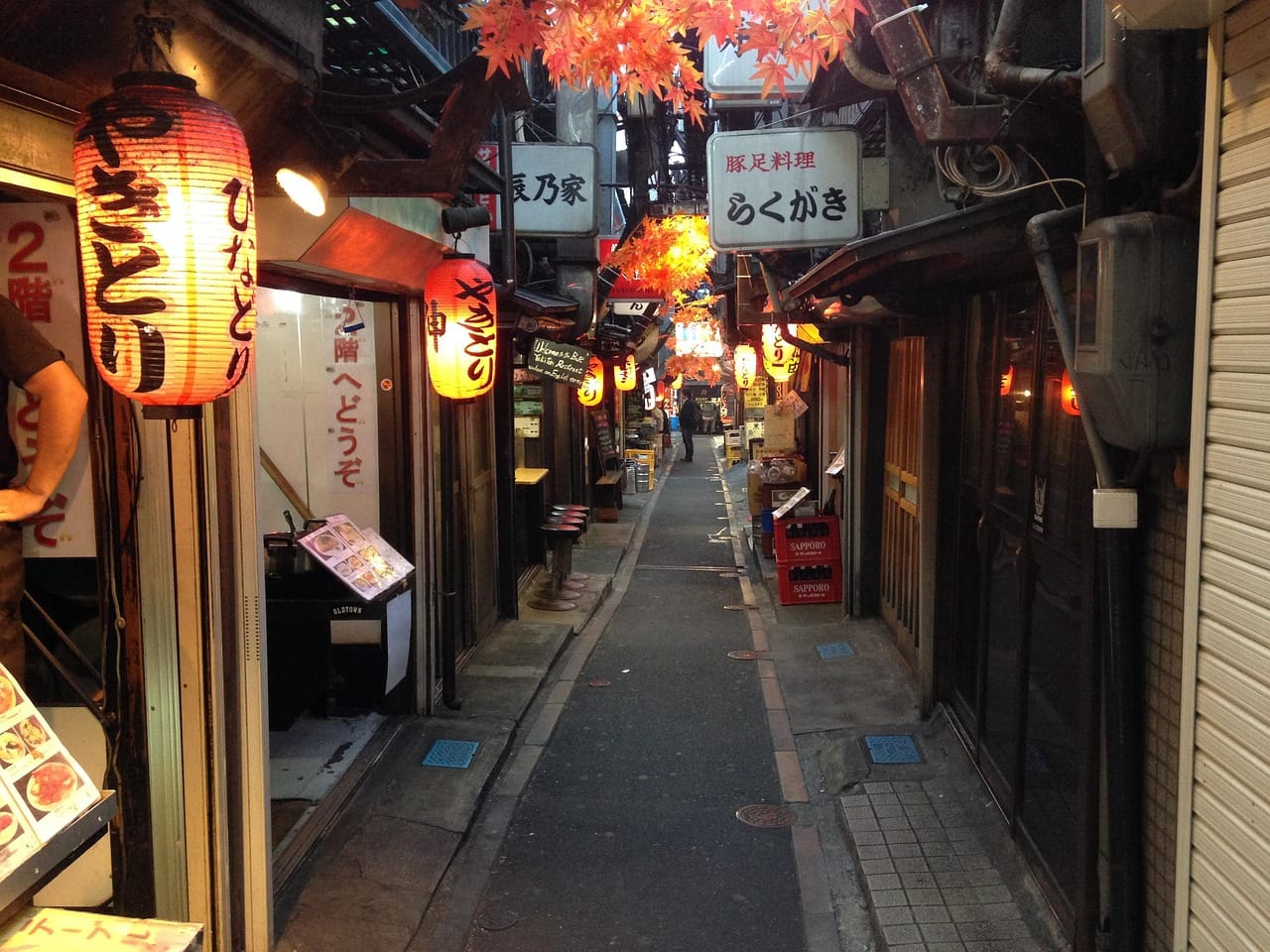
The greatest yakitori restaurants in Japan — and there are yakitori restaurants with Michelin stars — charge ¥15,000 (approx. $100)–¥30,000 (approx. $200) per person for a tasting menu of chicken parts. The neighborhood yakitori stand charges ¥100 (approx. $0.7)–¥200 (approx. $1.3) per skewer and is consumed on a plastic stool in a cloud of charcoal smoke. Both are correct.
Every Cut Explained
The Muscle Cuts
Momo (もも / thigh): The most widely available and most versatile cut — the dark meat of the chicken thigh, slightly fatty, with a balance of flavor and texture that works equally with tare or shio. The reference standard against which other cuts are evaluated.
Mune (むね / breast): White meat — leaner, more delicate, more difficult to cook without drying. The best yakitori shops cook breast meat very briefly to keep it just cooked at the center — a technique requiring precise heat management.
Tsukune (つくね / chicken meatball): Ground chicken formed around a skewer — the fat content and the specific blending of dark and white meat determines the texture. The finest tsukune have a specific springiness from the proper ratio of meat to binder; the worst are stiff and dry. Often served with raw egg yolk for dipping.
Sasami (ささみ / tenderloin): The innermost breast muscle — the leanest cut, extremely delicate, often served with wasabi and shiso (perilla leaf) rather than tare to preserve the meat's subtle flavor.
The Skin Cuts
Kawa (皮 / skin): The most disputed of the major cuts — collagen-rich skin, rolled or folded around the skewer, cooked until the fat renders and the skin crisps. At its best (fat fully rendered, exterior crispy, interior slightly gelatinous), kawa is extraordinary. At its worst (undercooked fat, flabby), it is unpleasant.
The Organ Cuts
Rebā (レバー / liver): Chicken liver — requires cooking to a specific internal temperature (just past raw at the center in the traditional preparation; more thoroughly cooked in the fully cooked style) that determines whether it is creamy or chalky. Eaten with grated ginger to complement the richness.
Hatsu (ハツ / heart): The most textually interesting organ cut — the cardiac muscle's density gives heart a firmness unlike any other chicken cut, with a clean, mineral flavor that benefits from shio rather than tare.
Sunagimo (砂ぎも / gizzard): The gizzard's extreme density creates a satisfying resistance that neither muscle nor organ cuts provide — the crunchy texture from the connective tissue around the gizzard is the defining characteristic. Often served with lemon.
Shiro-reba (白レバー / "white liver"): A pale, fatty liver with a foie-gras-like richness — similar in appearance to regular chicken liver but milder and creamier. Available at specialist shops.
The Structural Cuts
Negima (ねぎま / chicken and green onion): Alternating pieces of chicken (typically thigh) and green onion (negi / ねぎ) on a single skewer — the most popular combination skewer, the onion's sweetness as it caramelizes complementing the chicken's savory character.
Bonjiri (ぼんじり / tail): The chicken's tail — the most intensely fatty cut, with a specifically rich flavor that divides opinion. The loyal bonjiri devotees are extremely loyal.
Teba (手羽 / wing): The whole wing, skewered through the tip — grilled until the skin crisps and the flesh pulls away from the bone. Eaten directly from the skewer, working meat from bone with teeth.
Tare vs Shio: The Fundamental Choice
- At the start of a yakitori meal, you will be asked: tare (たれ) or shio (塩)?
Tare: A sweet-salty glaze applied to the meat during cooking and at service. The tare recipe is each shop's primary secret — the most celebrated shops have tare pots that have been continuously used for decades, accumulating flavor from thousands of applications.
Shio: Salt only — the purest expression of the meat's own flavor. Recommended for the most delicate cuts (sasami, breast, hatsu) and by serious yakitori practitioners as the superior approach for appreciating technique.
The recommendation: Order half-and-half, or ask the chef (tare de / shio de) for each specific cut as you order.
The Charcoal Distinction (備長炭 / Binchotan)
Binchotan — high-density charcoal made from ubame oak — is the charcoal that serious yakitori restaurants use exclusively. Its specific properties: extremely high temperature, very low smoke (the high density means it burns nearly completely), and an infrared radiation quality that cooks the interior of the meat while charring the exterior — a combination that gas cannot replicate.
The distinctive slightly smoky, clean-heat quality of properly made yakitori is a function of binchotan. Gas-cooked yakitori, while adequate, lacks this quality.
🏨 Planning where to stay?
Every area guide on this site pairs with honest, station-by-station hotel picks. Start here: Hotel Guides by Station →