This article may contain affiliate links. If you book through them, we may earn a small commission at no extra cost to you.
On this page
- Introduction: The Noodle That Contains Multitudes
- The Four Base Variables
- The Eight Regional Styles
- 2. Hakata Ramen (博多ラーメン): The White Bowl of Fukuoka
- 3. Tokyo Ramen (東京ラーメン): The Shoyu Original
- 4. Kitakata Ramen (喜多方ラーメン): The Curly Noodle Classic
- 5. Kyoto Ramen (京都ラーメン): The Surprising Rich Bowl
- 6. Onomichi Ramen (尾道ラーメン): Flat Noodles and Back Fat
- 7. Tokushima Ramen (徳島ラーメン): The Egg Bowl
- 8. Wakayama Ramen (和歌山ラーメン): The Soy-Tonkotsu Hybrid
Introduction: The Noodle That Contains Multitudes
Ramen (ラーメン) is Japan's most consumed restaurant meal and one of the most discussed foods in the country — the subject of dedicated magazines, television programs, annual ranking events, and a level of consumer expertise that would be considered excessive if applied to almost any other food. Japan has approximately 24,000 ramen restaurants (the count varies by source and definition), and the variation between the finest establishments in different regions can be so significant that calling them the same food requires a degree of taxonomic generosity.
The variation exists because ramen's history is one of regional adaptation. The dish arrived in Japan from China in the late 19th century as a wheat noodle soup and was interpreted differently by cooks in different regions according to local ingredients, local taste preferences, and the specific influence of local food cultures. The result — eight distinct regional styles, each with documented origin, specific flavor profile, and passionate local adherents — constitutes Japan's most complex single-dish food culture.
The Four Base Variables
Every bowl of ramen is defined by four variables: broth base (だし / dashi), seasoning agent (タレ / tare), noodle type (麺 / men), and toppings (具 / gu). Understanding these variables allows any ramen to be described precisely and allows prediction of how a style will taste.
Broth base: The liquid foundation, typically produced by simmering bones, vegetables, or seafood. Common bases: pork bone (豚骨 / tonkotsu), chicken (鶏 / tori), dashi from fish and kelp (魚介系 / gyokai-kei), or combinations.
Seasoning agent (tare): The concentrated seasoning dissolved into the broth, which determines the primary flavor character. Three main types: shoyu (醤油 / soy sauce), shio (塩 / salt), miso (味噌 / fermented soybean paste).
Noodle type: Thin or thick, straight or wavy, low or high alkalinity (the alkalinity, from kansui mineral water, determines the noodle's yellow color and specific texture).
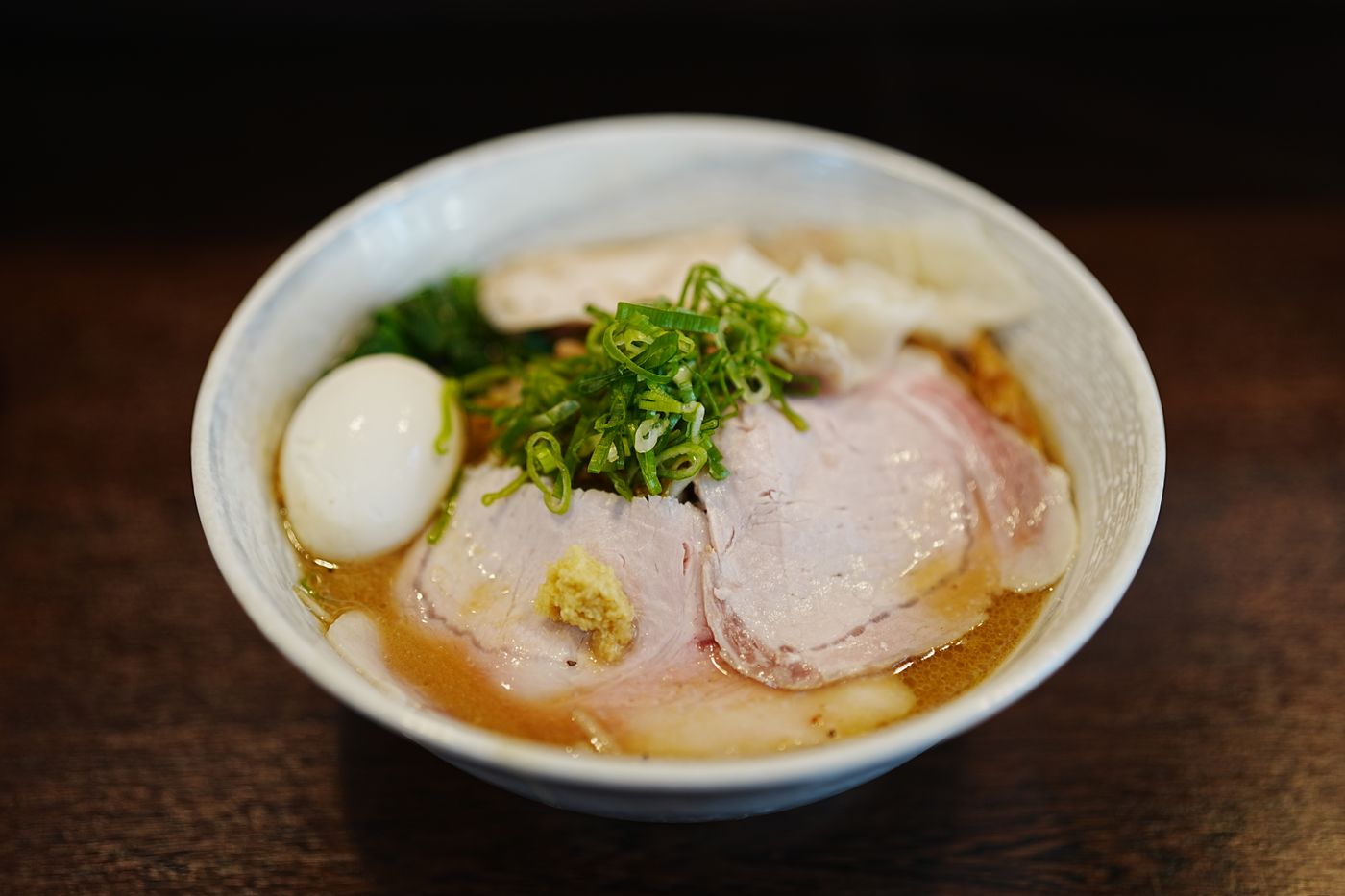
Toppings: Chashu (叉焼 / braised pork), menma (メンマ / bamboo shoots), nori, green onion, soft-boiled egg (味付け玉子 / ajitsuke tamago), and many regional variations.
The Eight Regional Styles
1. Sapporo Ramen (札幌ラーメン): Hokkaido's Miso Bowl
Primary character: Rich, creamy miso broth built on a pork bone base, with thick wavy noodles, corn, butter, and bean sprouts. The miso tare is stir-fried briefly in lard before the broth is added — a technique unique to Sapporo that produces a depth unavailable from cold-mixing.
- Origin: Invented in 1955 at Aji no Sanpei (味の三平) in Sapporo — documented origin of the miso ramen style.
Why the flavors work: The richness of pork broth, the depth of fermented miso, the sweetness of Hokkaido corn, and the richness of butter are all Hokkaido productions of exceptional quality. The combination functions as a regional statement as much as a culinary one.
- Typical noodle: Thick, wavy, yellow — holding the heavy broth rather than being overwhelmed by it.
2. Hakata Ramen (博多ラーメン): The White Bowl of Fukuoka
Primary character: Pure tonkotsu — pork bones boiled at high heat until the broth is milky white, rich, and coating. Served with thin, straight, firm noodles. Minimal toppings: chashu, green onion, pickled ginger, sesame seeds.
Origin: Developed in Fukuoka's Nagahama fish market area (長浜) in the 1940s to serve market workers who needed quick, calorie-dense food.
The kaedama (替玉) system: The Hakata innovation — ordering additional noodles dropped into your remaining broth when the first serving is finished. The remaining tonkotsu broth is too good to waste.
- Typical noodle: Thin, straight, firm (kata / かた is the ordering term for extra-firm).
3. Tokyo Ramen (東京ラーメン): The Shoyu Original
Primary character: Clear, soy sauce-seasoned (shoyu) broth built primarily from chicken and dashi (kombu and bonito), with medium curly noodles and classic toppings: chashu, menma, nori, naruto fish cake.
Origin: The earliest documented modern ramen, developed in the Asakusa and Kanda districts in the early 20th century.
The shoyu character: Tokyo shoyu ramen's broth is complex and balanced — the tare provides umami depth, the chicken base provides richness, and the dashi provides the specific seafood-and-kelp note that distinguishes the style from its regional competitors.
Contemporary Tokyo ramen: The Tokyo ramen scene has evolved beyond the traditional shoyu — see the dedicated Tokyo Ramen article.
4. Kitakata Ramen (喜多方ラーメン): The Curly Noodle Classic
Primary character: Light shoyu broth on a pork and fish base, with distinctive flat, wide, extremely curly (縮れ麺 / chijire-men) noodles that are among Japan's most visually distinctive.
Origin: Kitakata City, Fukushima Prefecture — a city of 48,000 people whose ramen culture is so intense that per-capita ramen restaurant density is among the highest in Japan.
Morning ramen (朝ラー / asa-ra): Kitakata's most specific custom — eating ramen for breakfast. Multiple Kitakata restaurants open at 6:00 or 7:00 AM to serve residents who have incorporated ramen into their morning routine.
5. Kyoto Ramen (京都ラーメン): The Surprising Rich Bowl
Primary character: Despite Kyoto's culinary reputation for delicacy, the city's ramen tradition runs heavy: thick tonkotsu-shoyu broth, straight noodles, and a distinctive layer of back fat (背脂 / seabura) floating on the surface. The richest major regional style.
The paradox: The city of restrained kaiseki cuisine produces the most assertively flavored ramen style. The explanation involves the large student population (Kyoto has multiple universities), the cold winters, and the specific influence of the Ōgiya (尾岐屋) style that developed in the postwar period.
6. Onomichi Ramen (尾道ラーメン): Flat Noodles and Back Fat
Primary character: Shoyu-based broth made from small local fish (niboshi / 煮干し) and pork, with distinctive flat noodles and a floating layer of pork back fat that melts into the broth as you eat.
Origin: Onomichi City, Hiroshima Prefecture — the hillside port town described in the dedicated Onomichi article.
The back fat distinction: The seabura that floats on Onomichi ramen is not merely richness — it carries additional pork flavor that changes the broth's character as it melts.
7. Tokushima Ramen (徳島ラーメン): The Egg Bowl
Primary character: Dark shoyu-tonkotsu broth served over rice as well as noodles, with a raw egg (生玉子) broken directly into the bowl — the egg cooks partially in the hot broth and is stirred in by the diner.
Origin: Tokushima Prefecture, Shikoku — historically pig-farming country whose pork culture influenced both the broth and the toppings (pork belly rather than chashu).
The egg ritual: Breaking the raw egg into the dark broth, watching the yolk run through the noodles before mixing, is the specific experience of Tokushima ramen that its devotees most consistently describe.
8. Wakayama Ramen (和歌山ラーメン): The Soy-Tonkotsu Hybrid
Primary character: A specific hybrid style — equal parts tonkotsu richness and dark soy sauce — that is neither one nor the other but specifically both. Often served with sushi on the side.
The sushi pairing: The tradition of eating hayazushi (早寿司) — pressed mackerel sushi — alongside ramen in Wakayama is a regional custom with no equivalent elsewhere in Japan. The richness of the ramen broth and the vinegared rice of the sushi create a contrast that both styles benefit from.
🏨 Planning where to stay?
Every area guide on this site pairs with honest, station-by-station hotel picks. Start here: Kyoto Hotel Guides →