This article may contain affiliate links. If you book through them, we may earn a small commission at no extra cost to you.
On this page
Introduction: Accommodation as Spiritual Practice
Shukubo (宿坊) — temple lodging — is one of Japan's most distinctive accommodation experiences: staying overnight within a Buddhist temple or Shinto shrine complex, participating in the morning ritual activities, eating the temple's vegetarian cuisine, and experiencing the temporal structure of the religious community from inside rather than as a day visitor.
The tradition developed to accommodate pilgrims making multi-day journeys to major sacred sites — particularly the Shikoku 88 Temple Pilgrimage (お遍路), the Kumano Kodo pilgrimage routes, and the sacred mountain complex of Kōya-san (高野山). Today, shukubo range from genuine monastic community experiences to sophisticated accommodation with traditional aesthetics.
The Koya-san Experience: Japan's Finest Shukubo
Kōya-san (高野山) — the mountain complex in Wakayama Prefecture founded by Kūkai (Kōbō Daishi) in 816 CE as the headquarters of Shingon Buddhism — is the most important and most atmospheric shukubo destination in Japan. Over 50 temple lodging facilities are available on the mountain, ranging from very simple monastic accommodation to refined establishments with garden views and elaborate temple vegetarian cuisine.
What Kōya-san shukubo provides:
Morning prayer service (朝のお勤め / asa no otsutome): Guests are invited to attend the morning Buddhist ceremony — typically beginning at 6:00 AM — which involves chanted sutras, incense, and the specific ritual practice of the temple. Non-Buddhists are welcomed as observers and sometimes participants.
Shojin ryori (精進料理 / temple vegetarian cuisine): The evening meal and morning meal at Kōya-san shukubo are served according to Buddhist dietary law — no meat, no fish, no strong-smelling vegetables (onion, garlic, leek). The cuisine is elaborately constructed within these constraints: seasonal vegetables, tofu preparations of various kinds, pickles, and the specific combination of flavors that Buddhist temple cooking has developed over centuries.
Okunoin Cemetery walk: The pre-dawn or post-dinner walk through Okunoin Cemetery — the most significant funerary site in Japan, containing over 200,000 gravestones under the ancient cedar forest, lit by stone lanterns, leading to the mausoleum of Kōbō Daishi — is one of the most deeply atmospheric experiences in Japan.
Recommended Kōya-san shukubo:
Ekoin (恵光院): From ¥12,000 (approx. $80) per person with two meals. Excellent morning ceremony access and English-language explanation.
- Fudoin (不動院): From ¥14,000 (approx. $93) per person. Beautiful garden, refined shojin ryori.
Other Shukubo Experiences
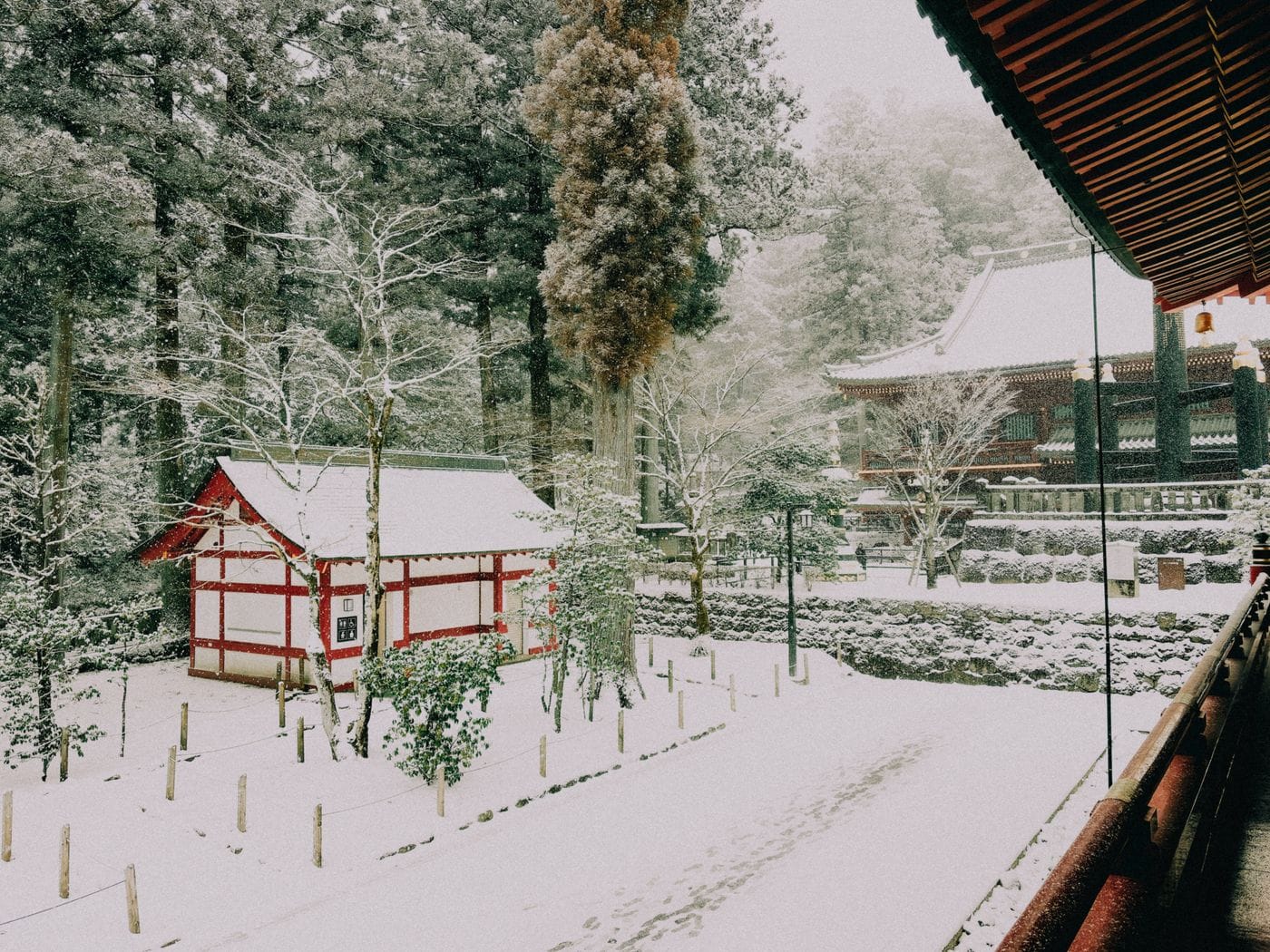
Nikko (日光): Several temple lodgings near the Tosho-gu complex — including Nikko Kanaya Hotel (日光金谷ホテル) (adjacent to the shrine complex, historic building) provide access to the dawn atmosphere of the Nikko shrine complex.
Hiroshima (宮島): Lodging on Miyajima Island provides the opportunity to experience the shrine complex after the day-trip visitors leave.
Shikoku pilgrimage: Along the Shikoku 88 temple circuit, multiple shukubo serve the henro pilgrims walking the circuit — simple, inexpensive, and specifically oriented to the walking pilgrim's needs.