This article may contain affiliate links. If you book through them, we may earn a small commission at no extra cost to you.
On this page
The Village That Refuses to Grow Up
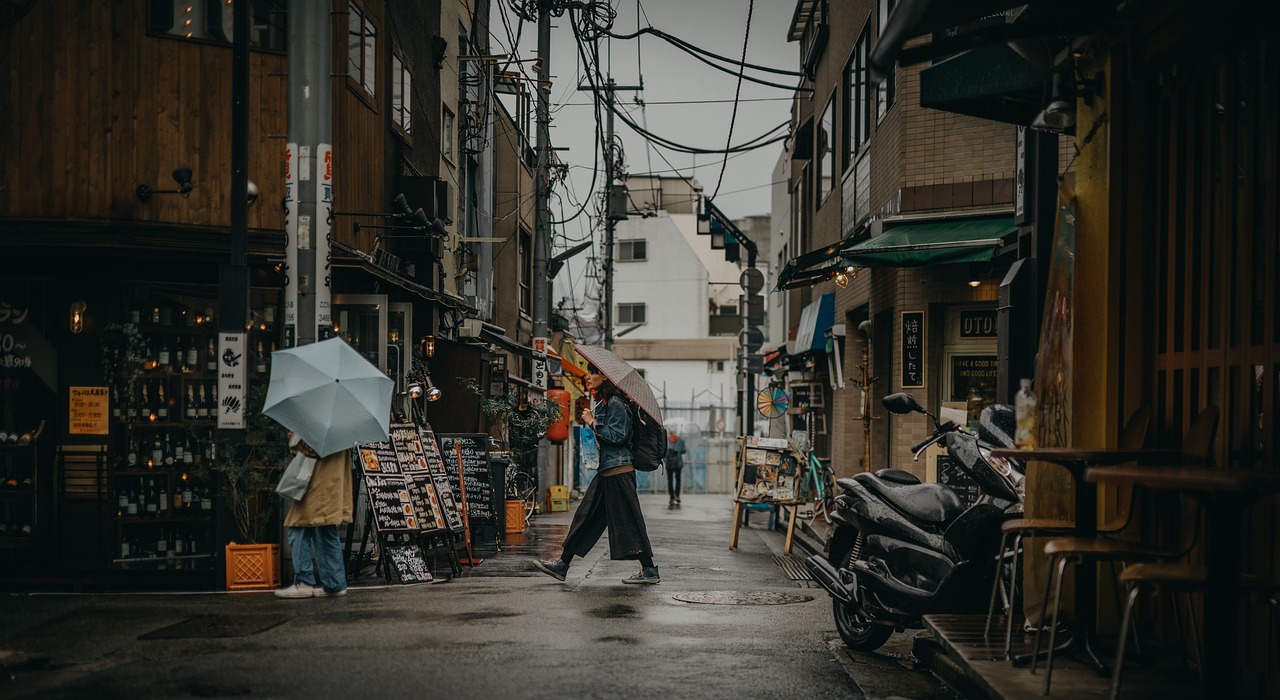
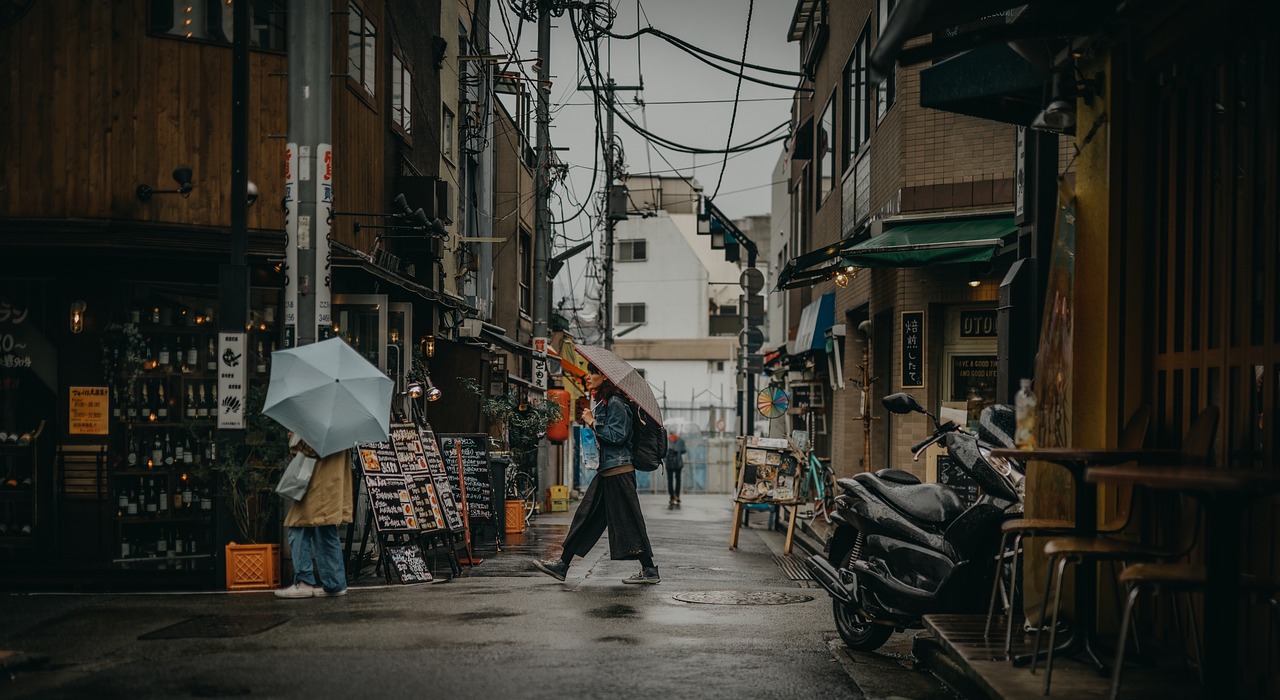
Shimokitazawa — “Shimokita” to everyone who actually goes there — is a knot of narrow lanes just two express stops from Shibuya on the Keio Inokashira Line, and it remains the closest thing Tokyo has to a bohemian village. Cars barely fit down most of its streets, which is precisely the point: the neighborhood grew up around its train station in the postwar years and never widened, so what you get is a walking town of vintage clothing shops, tiny live houses, curry restaurants, and second-hand record stores stacked two and three floors deep.
I grew up thinking of Shimokita as the place high schoolers went to feel older and university students went to feel younger. That is still roughly true. The station redevelopment finished in recent years added a polished strip of new shops and hotels along the old track bed — reclaimed as the “Shimokita Senrogai” — but walk two minutes in any direction and the old grain of the town reasserts itself.
What Shimokitazawa Actually Does Best
Vintage clothing
There are well over a hundred used-clothing shops packed into a few hundred square meters, from curated American workwear to ¥500 (approx. $3) bargain racks spilling onto the street. The north side of the station has the densest cluster. Unlike Harajuku, prices here are set for locals and students, and rummaging is expected — nobody hovers over you.
Live music and theater
Shimokita is the spiritual home of Tokyo’s small-venue music scene. Basement live houses like Shelter and Club Que have launched generations of Japanese bands, and the Honda Gekijo theater complex keeps a dense calendar of small-troupe plays. Even if you do not attend a show, the posters wheat-pasted along the alleys are part of the townscape.
Curry, for some reason
The neighborhood is obsessed with curry — there is even an annual curry festival each autumn when more than a hundred shops compete. Soup curry, spice curry, classic Japanese brown curry: if you only eat one meal here, make it curry, and expect a queue at the famous places around lunch.
How to Do It Right
- Access: Keio Inokashira Line from Shibuya (4 minutes) or Odakyu Line from Shinjuku (about 8 minutes)
- Best time: mid-afternoon into the evening — many vintage shops open around noon
- Budget: this is one of Tokyo’s cheapest fun neighborhoods; ¥3,000 (approx. $20) covers curry, coffee, and a vintage find
- Pair it with: Kichijoji further up the Inokashira Line for a full day of west-side Tokyo
Shimokitazawa rewards aimlessness. Skip the map, pick the narrowest lane you can find, and trust the town to hand you something — a record you did not know you wanted, a jacket from 1978, a curry you will think about for weeks.
Planning where to stay in Tokyo? Browse our honest hotel picks and area guides.
🏨 Planning where to stay?
Every area guide on this site pairs with honest, station-by-station hotel picks. Start here: Tokyo Hotel Guides →