This article may contain affiliate links. If you book through them, we may earn a small commission at no extra cost to you.
Introduction: The Social Meal
Japanese hot pot — whether shabu-shabu (しゃぶしゃぶ) or sukiyaki (すき焼き) — is fundamentally a communal eating format: a pot of liquid heated at the table, into which ingredients are placed, cooked, and eaten over an unhurried meal that builds in richness as the cooking liquid absorbs the flavors of successive additions. Both formats originated in the late 19th and early 20th centuries and have become two of Japan's most celebrated dining experiences.
The differences between the two — though they are both "hot pot" — are significant enough to treat separately.
Shabu-Shabu (しゃぶしゃぶ)
What It Is
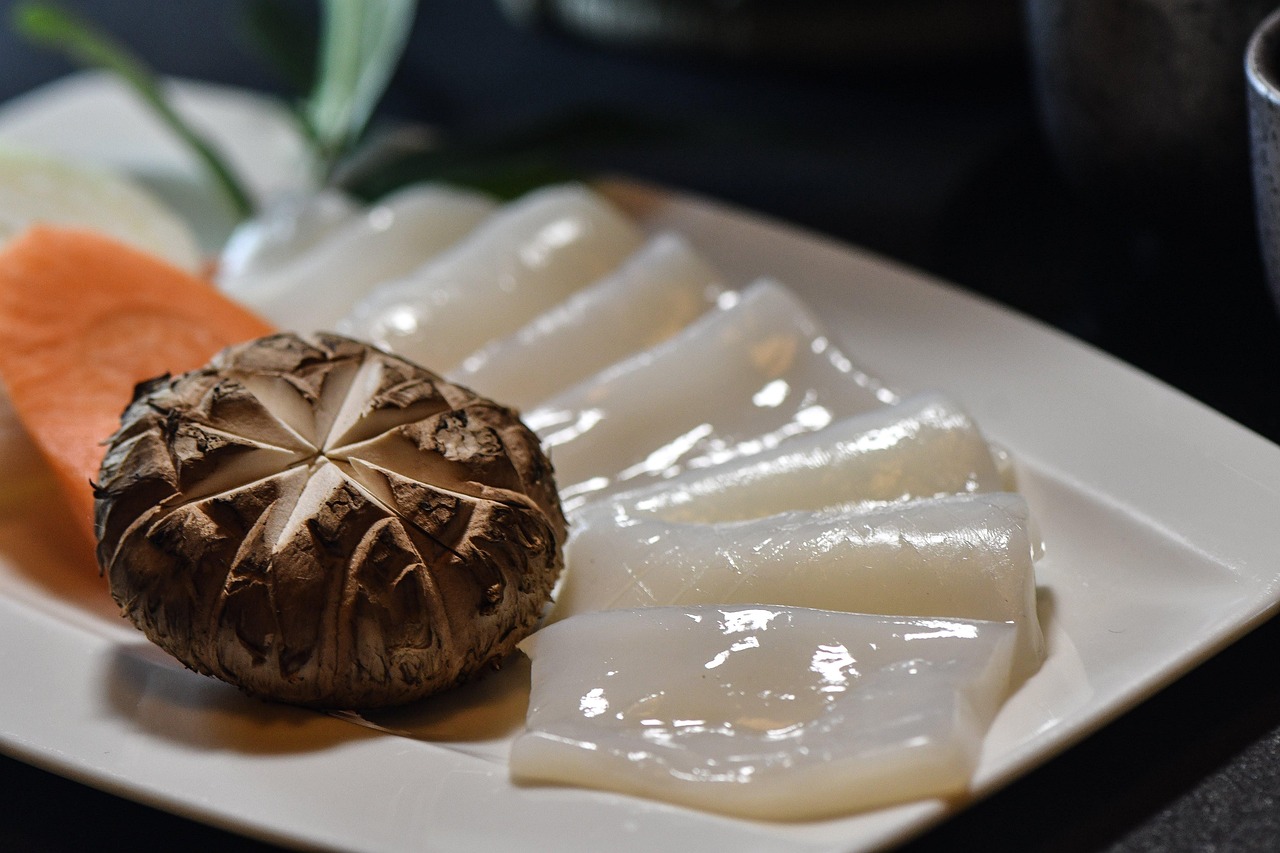
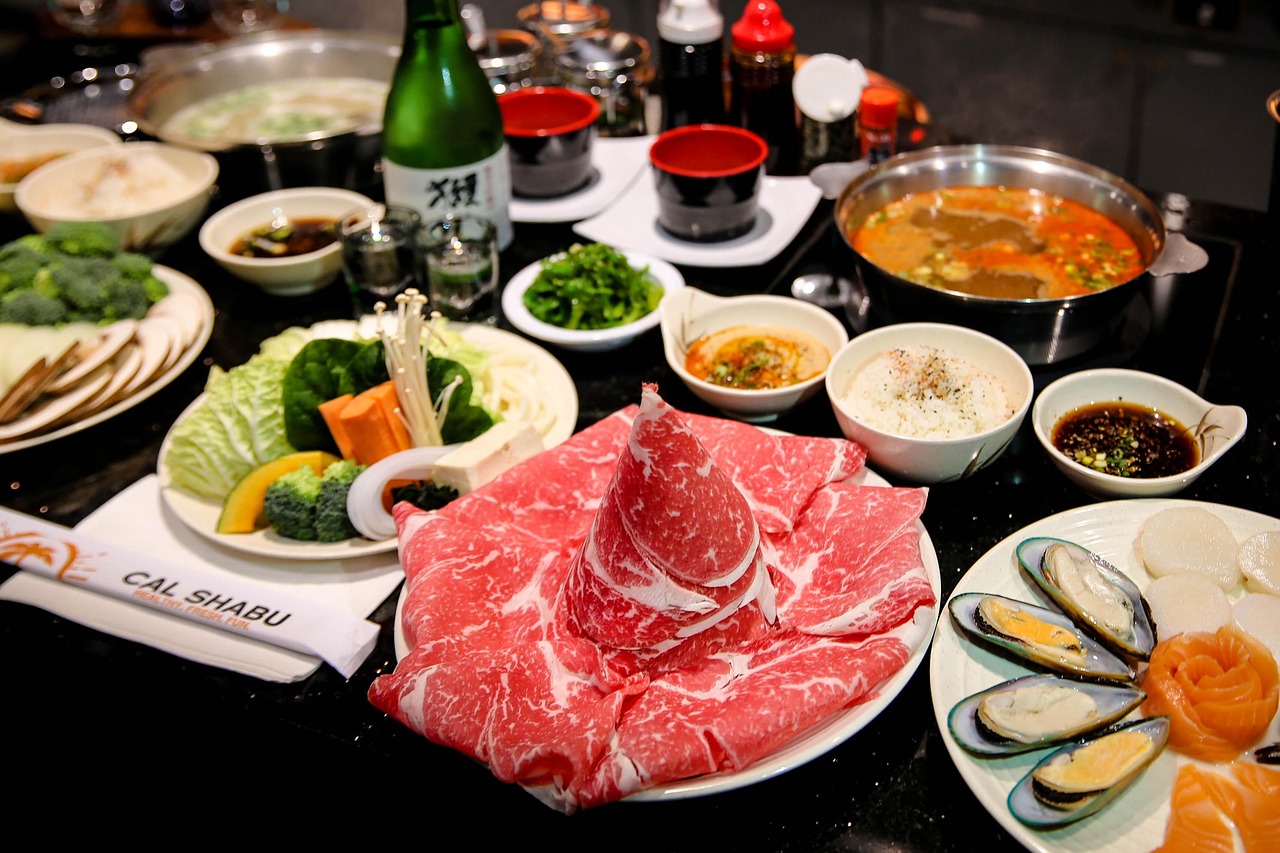
Shabu-shabu involves swishing paper-thin slices of premium beef (or pork, or chicken, or seafood) through a pot of simmering kombu dashi (昆布だし / kelp broth) for a few seconds — the minimum time required to cook the meat — and eating immediately with dipping sauces.
- The name is onomatopoeic: "shabu-shabu" describes the sound of the meat swishing through the broth.
The Meat
Premium wagyu beef at a shabu-shabu restaurant is served in slices so thin (approximately 2mm) that the fat marbling is visible as translucent patterns within the slice. The brevity of the cooking (5–10 seconds in simmering broth for most cuts; occasionally less) is designed to heat the meat without losing the fat — the marbled fat should not render out but should be consumed as an integral part of the texture.
The correct technique: Hold the slice with chopsticks at one end, lower the other end into the simmering (not boiling) broth, and move the slice back and forth gently — 3–5 seconds for thin wagyu, 8–12 seconds for thicker cuts, until the pink is just gone but the meat has not tightened.
The Dipping Sauces
Two sauces are standard at all shabu-shabu restaurants:
Ponzu (ポン酢): Citrus-based soy sauce — the acidity cuts through the fat richness. Most appropriate for the first portion of meat, when the palate is fresh.
Sesame sauce (ごまだれ): Ground sesame mixed with soy, mirin, and sometimes sugar — richer, earthier, more appropriate as the meal progresses and the palate needs a different reference point.
The Vegetables and Extras
Enoki mushrooms (えのき), shiitake, tofu, hakusai cabbage, and various other vegetables are added to the broth alongside the meat — they take longer to cook and add flavor to the increasingly rich broth. The broth near the end of a shabu-shabu meal — saturated with beef fat, mushroom umami, and vegetable sweetness — is often drunk directly or used to cook additional noodles.
Sukiyaki (すき焼き)
What It Is
Sukiyaki is fundamentally different from shabu-shabu despite using similar ingredients. The sukiyaki pot is filled not with clear dashi but with a sweet-salty sauce (割下 / warishita) made from soy sauce, mirin, sake, and sugar — a concentrated, thick liquid that caramelizes around the meat as it cooks rather than merely poaching it.
The Wagyu Sear
In the Kanto (Tokyo) style, a small amount of fat is placed in the sukiyaki pot first, the beef is seared briefly in the fat to develop a slight crust and Maillard character, and then the warishita sauce is poured around (not over) the meat. In the Kansai (Osaka/Kyoto) style, the meat is placed in the cold pot, the warishita is added, and everything cooks simultaneously.
The Raw Egg
The defining sukiyaki accompaniment: a raw egg (生卵 / nama tamago) broken into a small bowl, beaten lightly, used as a dipping sauce for each piece of beef. The raw egg tempers the heat of the just-cooked meat, adds a creamy richness, and moderates the sweetness of the warishita. This combination produces a specific flavor that neither element provides alone.
Raw egg concerns: Japan's egg safety standards are extremely high — raw eggs from Japanese chicken farms are regularly safe for consumption and are widely eaten throughout Japanese food culture. Visitors with specific health conditions should use their own judgment.
Recommended Restaurants
Shabu-Shabu
- Seryna (瀬里奈): Multiple Tokyo locations; the premium wagyu shabu-shabu standard.
- Shabuzen (しゃぶ禅): Accessible price point without compromising quality; Ginza and Shinjuku locations.
Sukiyaki
Imahan (今半): The most celebrated sukiyaki restaurant in Tokyo — Japanese beef of the highest quality in a traditional setting.
🏨 Planning where to stay?
Every area guide on this site pairs with honest, station-by-station hotel picks. Start here: Tokushima Hotel Guides →