This article may contain affiliate links. If you book through them, we may earn a small commission at no extra cost to you.
On this page
Fukuoka: Japan's Most Livable City — Yatai Stalls, Hakata Ramen & Local Itinerary
Introduction: The City That Does Everything Right
For the past several years, Fukuoka (福岡) has appeared consistently at or near the top of Japan's domestic livability rankings — and when international publications began including Japanese cities in their assessments, Fukuoka arrived on those lists too. The reasons cluster around the same qualities: compact enough to walk across, large enough to have everything, close to nature, culturally active, economically dynamic, and possessed of a food culture that residents of Tokyo and Osaka — cities that are accustomed to considering themselves the standards of reference — acknowledge as genuinely superior in its specific specialties.
Fukuoka is the capital of Kyushu — Japan's southernmost main island — and its position at the gateway between Japan and the Asian continent (Seoul is closer to Fukuoka than Tokyo is) has given it a cosmopolitan openness that distinguishes it from more insular Japanese cities. Hakata (博多) — the older commercial district on the eastern side of the Naka River — and Tenjin (天神) — the modern commercial center to the west — together form a city center that functions like an efficiently designed urban machine: everything you need is within walking distance or one subway stop.
But the most immediate impression Fukuoka makes on visitors is not its urban planning or its livability metrics. It is the food.
Hakata Ramen (博多ラーメン): The White Bowl That Defines the City
Hakata Ramen is one of Japan's four canonical ramen styles — alongside Tokyo shoyu, Sapporo miso, and Kitakata shoyu — and the only one built entirely around tonkotsu (豚骨 / pork bone broth). The broth is produced by boiling pork bones at high heat for extended periods until the collagen breaks down completely and the soup turns an opaque, milky white with a richness that coats the palate.
The defining characteristics of authentic Hakata Ramen:
Thin, straight noodles (細ストレート麺): Cooked to extreme firmness (the ordering system at many Hakata ramen shops asks your preferred noodle hardness — from yawa (soft) through kata (firm) to kaka (extra firm) to konaotoshi (just-mixed flour)).
- White tonkotsu broth: Rich, creamy, intensely flavored from hours of bone reduction.
Minimal toppings: Chashu (叉焼) pork, green onion, pickled ginger, sesame seeds, and beni shoga (紅生姜) — pickled red ginger — are standard. The topping philosophy is restraint.
Kaedama (替玉): The Fukuoka innovation — ordering additional noodles to add to your remaining broth when the first serving is finished. Most shops offer the first kaedama for free or at minimal cost (¥100–¥200).
Where to Eat Hakata Ramen
Shin-Shin (しんしん): The most consistently acclaimed Hakata Ramen restaurant in the city among locals — a more refined version of the style, with a cleaner broth and exceptional noodle quality. Located in Tenjin. Queues at lunch and dinner are standard.
Ichiran (一蘭): The Fukuoka-origin chain now famous worldwide for its individual booth seating system — each diner eats alone in a small compartment, ordering from a paper form, with the bowl delivered through a bamboo screen. The system was developed to allow shy diners to focus entirely on the ramen without social distraction. The ramen itself is excellent.
Ippudo (一風堂): Another Fukuoka-origin chain that has become globally famous. The original Ippudo, near Tenjin, produces the ramen against which the international branches are inevitably compared.
Nagahama Ramen (長浜ラーメン): The specific Fukuoka sub-style associated with the Nagahama fish market area — traditionally served at small stalls near the port to market workers in the early morning hours. The broth is typically lighter and less rich than the restaurant style, served quickly and eaten standing or on simple stools.
Yatai (屋台): Fukuoka's Open-Air Food Stalls
Yatai (屋台) — traditional Japanese outdoor food stalls — once existed throughout Japan but have gradually disappeared under health regulations, urban development, and changing commercial patterns. Fukuoka has fiercely preserved its yatai culture, and today the city hosts approximately 100 active yatai concentrated in the Nakasu (中洲), Tenjin (天神), and Nagahama (長浜) districts — making Fukuoka the only city in Japan where yatai remain a living institution rather than a historical memory.
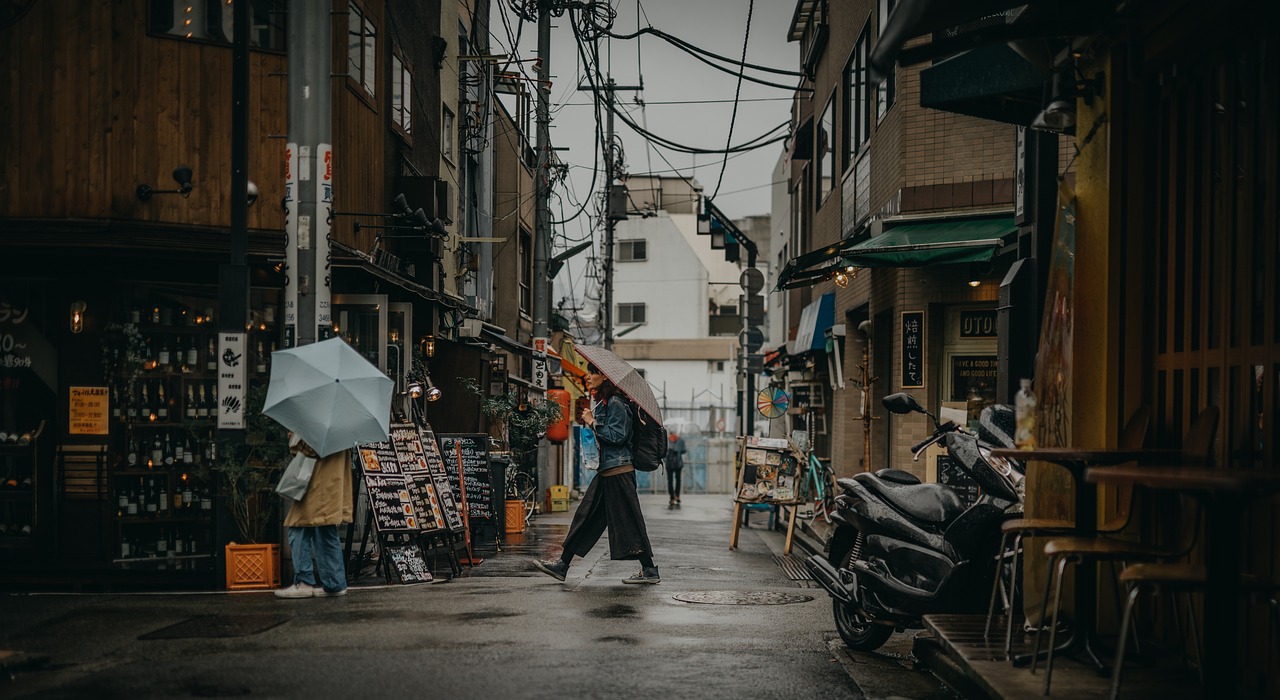
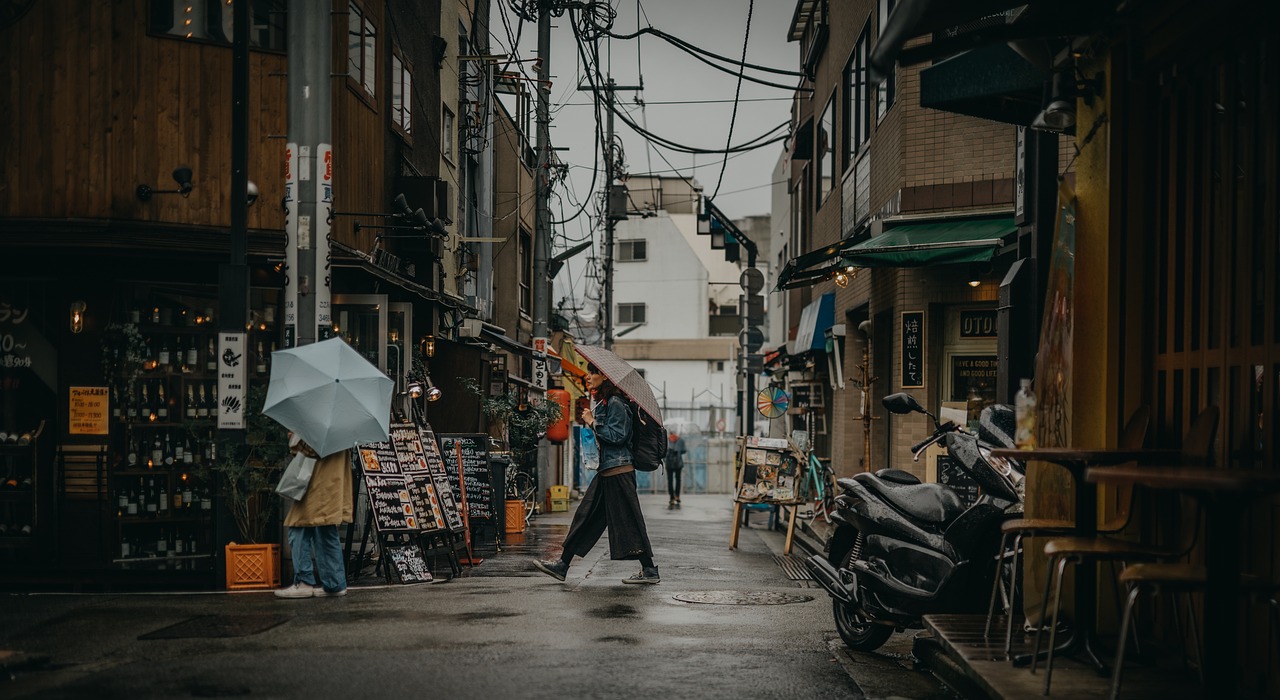
The character of Fukuoka yatai is specific: these are not generic street food operations but individual culinary personalities — each yatai operated by a single cook-owner who has developed a loyal following and a personal style. The menu typically includes ramen (tonkotsu, of course), yakitori, oden, and various small dishes, but what makes a yatai visit memorable is the counter conversation — sitting six inches from the cook, watching the preparation, and being drawn into whatever conversation is happening between the master and the other customers.
The Yatai Rules
Opening hours: Most yatai open between 6:00 PM and 8:00 PM and close when food runs out or by 2:00 AM. They do not open in rain.
Ordering: Point at what you want, or wait for the master to make suggestions. Most yatai masters have enough English (or enough enthusiasm for communication) to manage with non-Japanese speakers.
Seating: Yatai typically seat 8–12 people at a narrow counter. If the stall is full, wait — the turnover is relatively fast.
- Price: Expect to spend ¥2,000–¥4,000 per person for a full yatai meal with drinks.
Best Yatai Areas
Nakasu (中洲): Along the Naka River, near the entertainment district — the largest concentration of yatai, with the river view as backdrop. More tourist-oriented than Tenjin.
Tenjin (天神): The yatai along Watanabe-dori and the surrounding streets have a more local character — the customers are often Fukuoka residents rather than tourists.
Nagahama (長浜): The port-area yatai are the most traditional — small, simple, and primarily serving the tonkotsu ramen that the district made famous.
Fukuoka's Local Itinerary: Two Days
Day 1: Hakata History and Canal City
Morning: Begin at Kushida Shrine (櫛田神社) — the principal Shinto shrine of Hakata, famous for its connection to the Hakata Gion Yamakasa (博多祇園山笠) festival (July), when enormous decorated festival floats are carried through the streets at running pace in one of Japan's most physically intense festival events. The giant festival floats are on permanent display in the shrine.
Mid-Morning: Walk to Canal City Hakata (キャナルシティ博多) — a large commercial complex designed by Jon Jerde with a canal running through its center, surrounded by curved commercial buildings. Canal City is better architecture than it sounds, and the rooftop garden and canal-side food court provide a good introduction to Fukuoka's commercial energy.
- Lunch: Hakata Ramen at Shin-Shin (Tenjin location, approximately 15 minutes walk from Canal City).
Afternoon: Ohori Park (大濠公園) — Fukuoka's central park, built around a large artificial lake (originally part of Fukuoka Castle's outer moat). The walking circuit of the lake (approximately 2 km) passes through cherry trees in spring and is one of the finest urban park experiences in Kyushu.
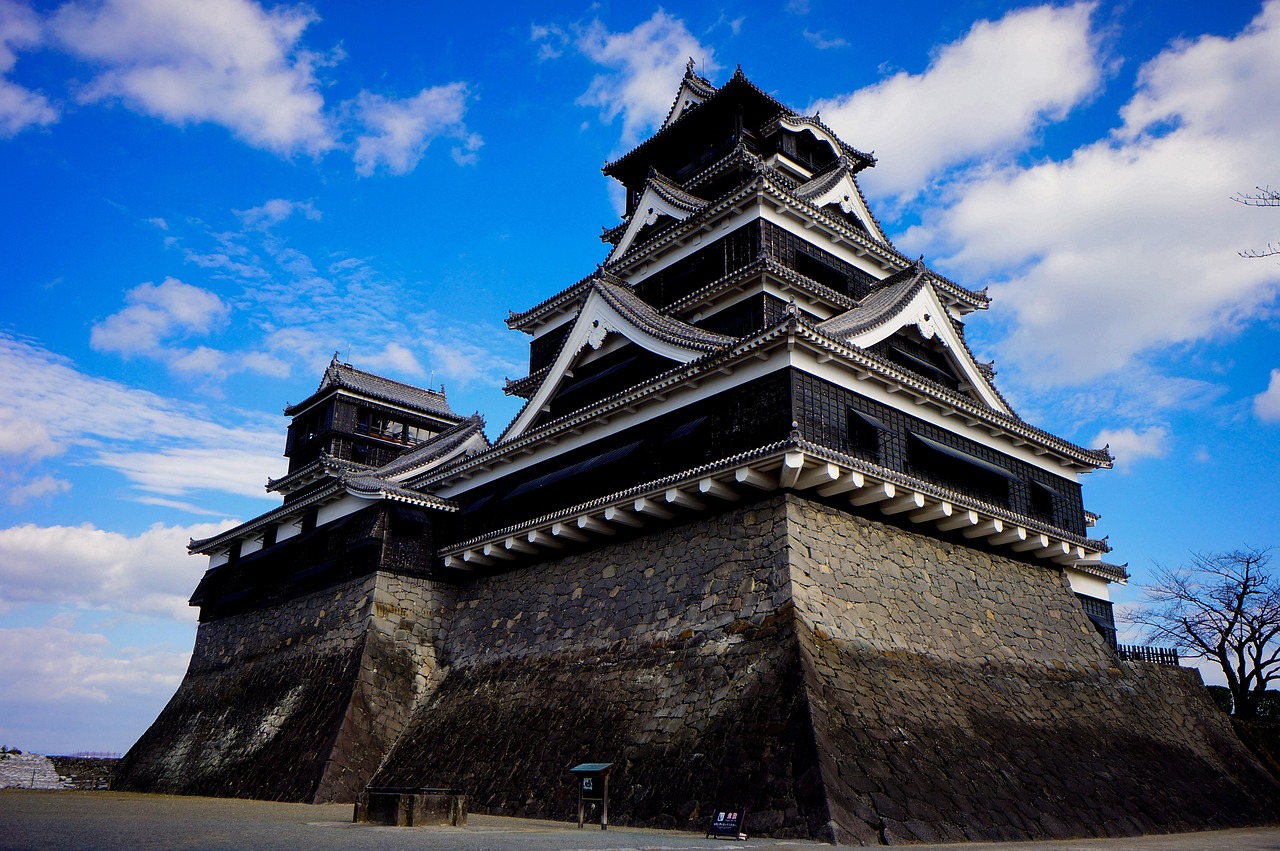
Adjacent to Ohori Park, the Fukuoka Castle Ruins (福岡城跡) — now Maizuru Park (舞鶴公園) — contain the stone walls and several turrets of the Edo-period castle, excellent in cherry blossom season.
- Evening: Dinner at the Tenjin yatai.
Day 2: Dazaifu and Local Culture
Morning: Day trip to Dazaifu (太宰府) — the ancient administrative capital of Kyushu, 25 minutes from Fukuoka (Nishitetsu Omuta Line to Dazaifu Station).
Dazaifu Tenmangu (太宰府天満宮): The most important shrine dedicated to Sugawara no Michizane (菅原道真) — the Heian-period scholar and court minister who was unjustly exiled to Dazaifu and died there in 903 CE. He was later deified as Tenjin (天神) — the god of learning — and Dazaifu Tenmangu has been the most important academic success shrine in Japan since the Heian period. The approach (参道) lined with ume (plum) trees (Michizane's favorite tree, which according to legend flew from Kyoto to Dazaifu when he was exiled) is at its finest in late February.
Kyushu National Museum (九州国立博物館): One of Japan's four national museums, opened in 2005 adjacent to Dazaifu Tenmangu. The museum's focus on Japan's cultural exchange with Asia — reflecting Fukuoka's continental gateway position — makes its permanent collection distinctive from the Tokyo National Museum's more Japan-centric scope.
Afternoon: Return to Fukuoka for afternoon exploration of the Nakamura Ramen College (中村学園) area, or the Momochihama seafront (百道浜) — the waterfront district with Fukuoka Tower (福岡タワー) and beach.
Fukuoka's Other Foods
Mentaiko (明太子): Spicy marinated pollock roe — a Fukuoka specialty that has become one of Japan's most popular food gifts. The spicy-salty roe on hot rice is one of the simplest and most satisfying flavor combinations in Japanese cuisine. The shops along the Hakata Station concourse offer the largest selection.
Mizutaki (水炊き): Fukuoka's distinctive hot pot — chicken simmered in a collagen-rich clear broth until the broth becomes thick and rich, eaten with ponzu and seasonal vegetables. The best mizutaki restaurants are in Nakasu.
Motsunabe (もつ鍋): Beef or pork intestines simmered in a miso or soy-based broth with garlic, chives, and cabbage — a winter specialty that has become year-round. Cheaper and more robust than most Fukuoka dishes.
Recommended Base Hotels
- The Ritz-Carlton Fukuoka (Luxury / from ¥50,000): The finest hotel in the city, in the Daimyo Garden City tower near Tenjin.
- Hotel Monterey La Soeur Fukuoka (Mid-range / from ¥15,000): Tenjin area, excellent yatai access.
- Dormy Inn Hakata Gion (Mid-range / from ¥11,000): Natural hot spring, Hakata location.
Planning where to stay in Kyushu & Okinawa? Browse our honest hotel picks and area guides.
🏨 Planning where to stay?
Every area guide on this site pairs with honest, station-by-station hotel picks. Start here: Fukuoka Hotel Guides →