This article may contain affiliate links. If you book through them, we may earn a small commission at no extra cost to you.
On this page
Introduction: The Country That Kept Its Gaming History
Japan's relationship with its video gaming history is more physical and more present than most countries' equivalents. The density of used game shops (ゲーム中古ショップ), retro arcades (ゲームセンター), and dedicated collectors' markets makes Japan the finest destination in the world for both casual retro gaming nostalgia and serious collecting — a function of the country's gaming hardware being largely domestically manufactured, the strong domestic collecting culture, and the specific commercial ecosystem that has developed around trading games as physical objects.
Finding Retro Game Hardware and Software
Akihabara's Retro Game Circuit
The most concentrated retro game retail environment in the world:
Super Potato (スーパーポテト): The most famous retro game shop in Japan — three floors of Famicom, Super Famicom, PC-Engine, Mega Drive, and console hardware, with the third floor operating as a playable arcade. The prices at Super Potato are somewhat above market due to its fame, but the selection breadth is unmatched.
Trader (トレーダー): Multiple Akihabara locations covering both retro and current games — often with better prices than Super Potato for common items.
Sofmap (ソフマップ) retro section: The major used game chain's Akihabara location maintains a substantial retro section alongside current titles.
The back-street shops: As with most Akihabara retail, the most interesting specific items are often in smaller specialist shops on the upper floors of buildings in the streets behind the main boulevard — the experience of discovering a shop specializing entirely in PC-Engine HuCards or Neo Geo AES cartridges through an unmarked stairway is specific to Akihabara and rewarding proportionally to the effort.
Nakano Broadway's Mandarake Game Sections
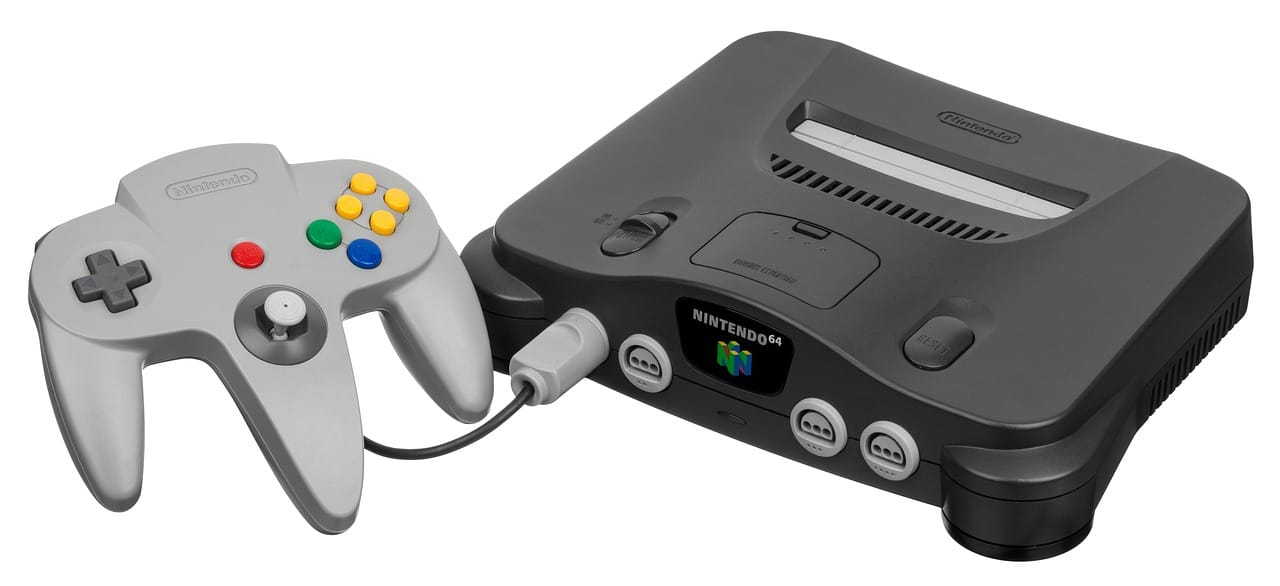
As covered in the dedicated article — the Mandarake complex within Nakano Broadway includes multiple floors with specialist vintage game coverage, often including items not found in Akihabara's predominantly 8-bit and 16-bit focus. Saturn and early PlayStation-era content is particularly well represented.
Osaka Den Den Town (でんでんタウン)
Osaka's equivalent to Akihabara — Nipponbashi (日本橋), nicknamed Den Den Town — contains a comparable retro game retail ecosystem with occasional price advantages and different inventory reflecting different regional buying patterns.
The Arcade (ゲームセンター): Japan's Surviving Public Gaming Culture
Japan's game centers (ゲームセンター / gēsen) — public arcades — survived the global collapse of the arcade industry in the 1990s and 2000s significantly better than their international counterparts. While the number of game centers has declined considerably from peak (approximately 26,000 at peak in the late 1980s; roughly 5,000–7,000 surviving as of the mid-2020s), those that remain are distinctive and worth experiencing.
Game Club (アミューズメント施設): The large multi-floor game center format — Taito Station (タイトーステーション), Sega (セガ), and Round1 (ラウンドワン) are the primary chains — containing a mixture of current rhythm games (sound games / 音楽ゲーム), crane games (UFOキャッチャー), fighting game machines, and in some cases retro arcade cabinets.
The rhythm game culture: Japanese rhythm games — Taiko no Tatsujin (太鼓の達人), maimai, beatmania IIDX, Dance Dance Revolution — have maintained a living arcade culture that the home console and PC market has not displaced, partly because the physical cabinet experience (the specific drum pads, the specific screen layout, the specific social environment of performing publicly) cannot be replicated at home.
Dedicated retro arcades: Several establishments in Tokyo specifically maintain vintage arcade cabinet collections — Hey (へい) in Akihabara maintains one of the most comprehensive classic cabinet collections in Japan, with machines from the late 1970s through the mid-1990s still in operational condition.
Price Guidance: What to Expect
🏨 Planning where to stay?
Every area guide on this site pairs with honest, station-by-station hotel picks. Start here: Hotel Guides by Station →