This article may contain affiliate links. If you book through them, we may earn a small commission at no extra cost to you.
Introduction: What Mountains Mean in Ghibli’s Films
The floating castle in Castle in the Sky, the highland scenery of The Wind Rises, the deep mountains of Princess Mononoke — in Ghibli’s films, mountains and high places carry special meaning. A world above the clouds, a place people can’t easily reach — that’s the essence of Ghibli’s mountains.
Ghibli’s Mountains: A Guide to the Real Locations
1. Takeda Castle Ruins (Hyogo) — The Sky Castle of Castle in the Sky
Stone ruins floating above a sea of clouds make this the Japanese landscape that most directly echoes Castle in the Sky. Photographed on autumn mornings when the clouds roll in, Takeda Castle is known worldwide as “Japan’s Laputa.”
Ghibli Connection: ★★★★★ Film: Castle in the Sky
2. Yakushima’s Mount Miyanoura (Kagoshima) — Kyushu’s Highest Sacred Peak
At 1,936 meters, Mount Miyanoura is Yakushima’s highest peak, reached through ancient cedar forest. It’s one of Japan’s most striking mountains, its atmosphere echoing the home of the Deer God in Princess Mononoke.
Ghibli Connection: ★★★★★ Film: Princess Mononoke
3. Mount Takao (Tokyo) — A “Ghibli Mountain” Close to the City
As mentioned elsewhere, Michelin three-star Mount Takao is the easiest place near central Tokyo to experience Ghibli’s forest-and-mountain world.
Ghibli Connection: ★★☆☆☆ — forest atmosphere only (Totoro’s true model, the Sayama Hills, is a separate spot)
4. The Karuizawa Highlands (Nagano) — The Clouds and Mountains of The Wind Rises
The clouds and highland scenery depicted in The Wind Rises echo the mountainous terrain around Karuizawa.
Ghibli Connection: ★★★★☆ Film: The Wind Rises
5. Odaigahara (Nara/Mie) — A Misty Highland with Japan’s Heaviest Rainfall
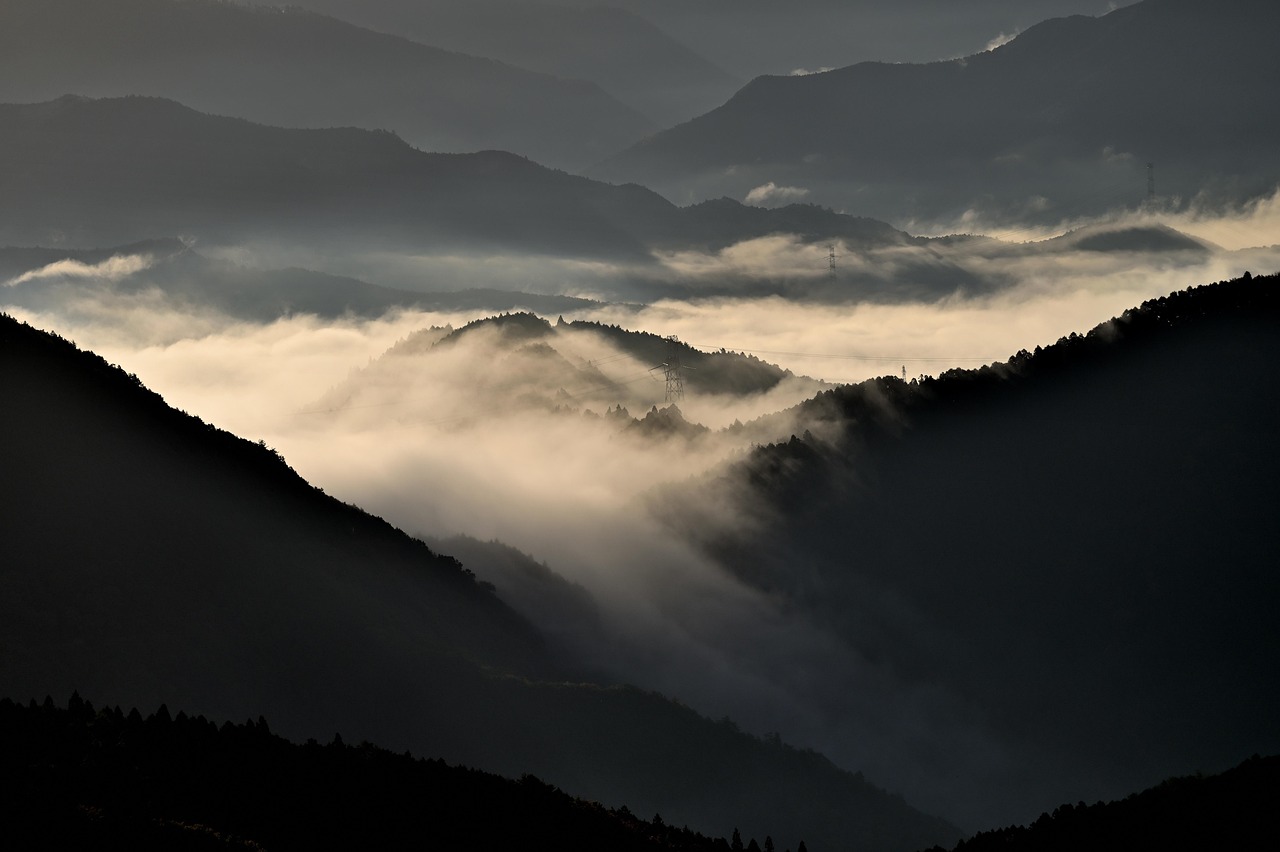
Straddling Nara and Mie prefectures, Odaigahara receives roughly 4,500mm of rain a year — among the heaviest anywhere on Honshu (only Yakushima’s mountains, far to the south, see more). Its moss-covered, fog-wrapped landscape echoes the damp, dense forests of Princess Mononoke.
Ghibli Connection: ★★★★☆ Film: Princess Mononoke
🏨 Planning where to stay?
Every area guide on this site pairs with honest, station-by-station hotel picks. Start here: Hotel Guides by Station →