This article may contain affiliate links. If you book through them, we may earn a small commission at no extra cost to you.
On this page
Introduction: Eating Osaka's Way
Osaka's food culture operates on a principle that the city's residents state with pride and outsiders initially take as marketing: kuidaore (食い倒れ) — "ruin yourself by eating." The phrase captures something real about Osaka's relationship with food: it is not merely that the food is good (it is), or that there is a lot of it (there is), but that the act of eating — the social, sensory, and economic commitment to the meal — is considered a primary activity rather than a background function.
The guide to eating Osaka covers three zones that are genuinely different from each other: the tourist-facing Dotonbori and its environs, the working local market of Kuromon, and the neighborhood spots that constitute the city's actual daily food life.
Zone 1: Dotonbori and the Tourist Corridor
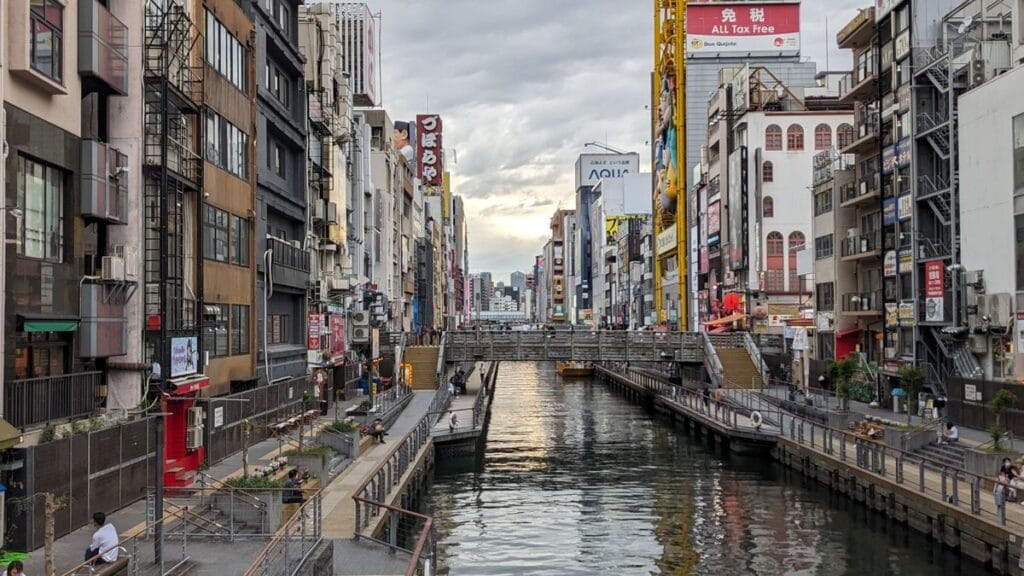
Dotonbori (道頓堀) is covered in detail in the dedicated article. In the context of eating, the key points:
What's worth eating on Dotonbori:
Takoyaki at Wanaka (わなか): The most respected takoyaki shop on the strip — lighter batter, more octopus, less sweetness than the major chains. Queue consistently.
Kushikatsu at Kushikatsu Daruma (串カツだるま): The Dotonbori branch of the original Shinsekai institution — the experience is more tourist-oriented than the Shinsekai original but the kushikatsu is identical.
Kani Doraku (かに道楽): The giant mechanical crab restaurant is a Dotonbori landmark that is actually worth eating at — the crab quality (Hokkaido and Tottori crab) is genuinely high and the theatrical presentation of the food matches the theatrical exterior.
What to skip: Most of the chain food operations along the main canal walk — takoyaki from the large illuminated chain stands is inferior to the independent shops in the side streets.
Zone 2: Kuromon Ichiba (黒門市場)
Kuromon Ichiba — the covered market approximately 800 meters from Dotonbori — is Osaka's most significant food market and the subject of a specific debate: it has become increasingly tourist-oriented over the last decade, with stalls adding English menus, charging premium prices, and shifting their product mix toward street food consumption rather than restaurant supply.
The honest assessment: Kuromon is still worth visiting, but approach it as a food experience rather than a market experience — the quality of the products is genuine even if the context has shifted.
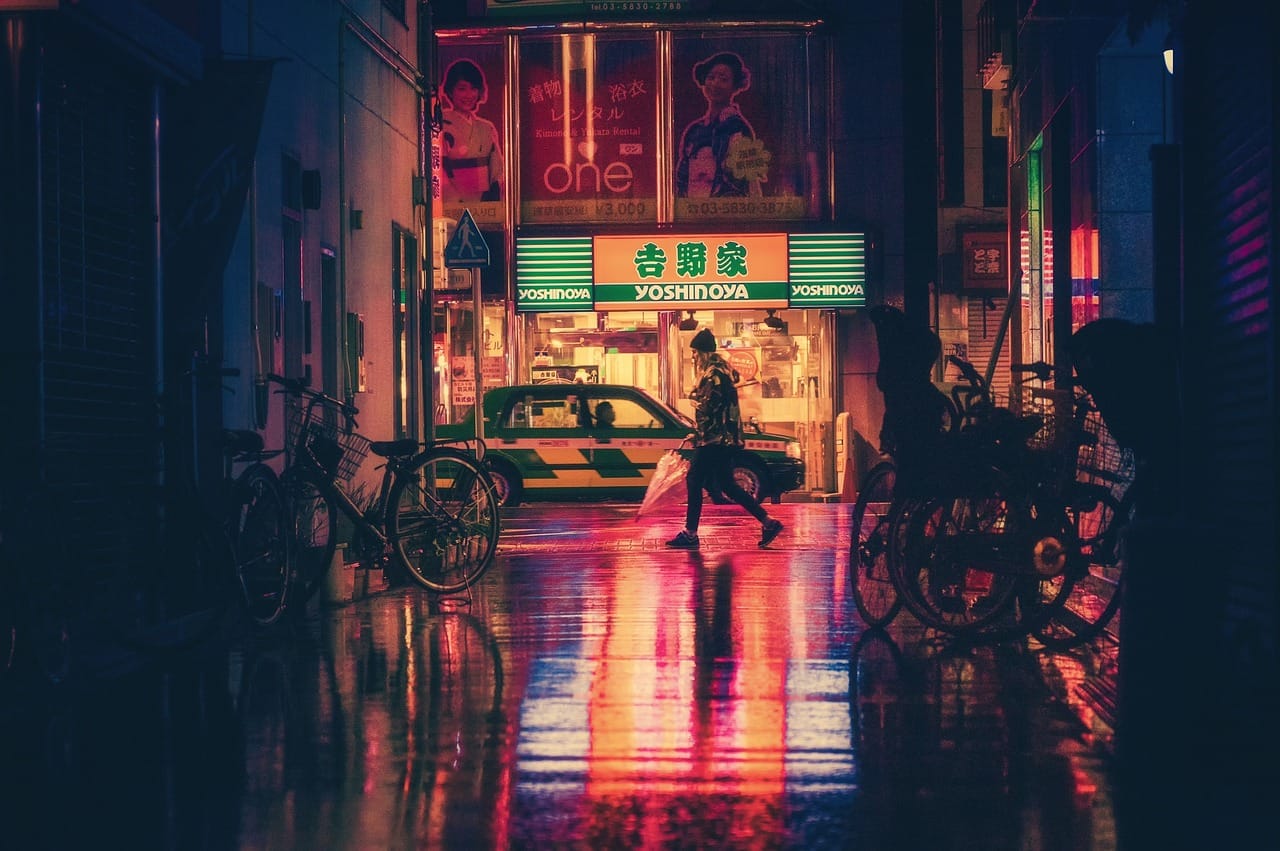
What to eat at Kuromon:
Fresh seafood: Several fishmongers at Kuromon offer sashimi eating stations where you point at fish in the display, pay, and receive a plate cut immediately. The quality of the tuna, uni (sea urchin), and salmon reflects Kuromon's historical role as a restaurant supplier.
Fugu (河豚 / pufferfish): Osaka is the center of fugu culture — several Kuromon stalls sell fugu sashimi and grilled fugu at prices more accessible than dedicated fugu restaurants.
Kushikatsu: Several stalls sell kushikatsu as street food — better context than the tourist-oriented Dotonbori versions.
Zone 3: The Real Local Spots
Fukushima (福島): Osaka's Restaurant District
Fukushima — across the Tosabori River north of the city center — is where Osaka's restaurant community eats. The district has approximately 400 restaurants in a very small area, serving primarily the food industry professionals, entertainment workers, and neighborhood residents who want excellent food without the Dotonbori tourist premium.
What's in Fukushima:
- Counter sushi at prices 30–40% below comparable Osaka city-center establishments
- Excellent izakayas with seasonal Japanese cuisine
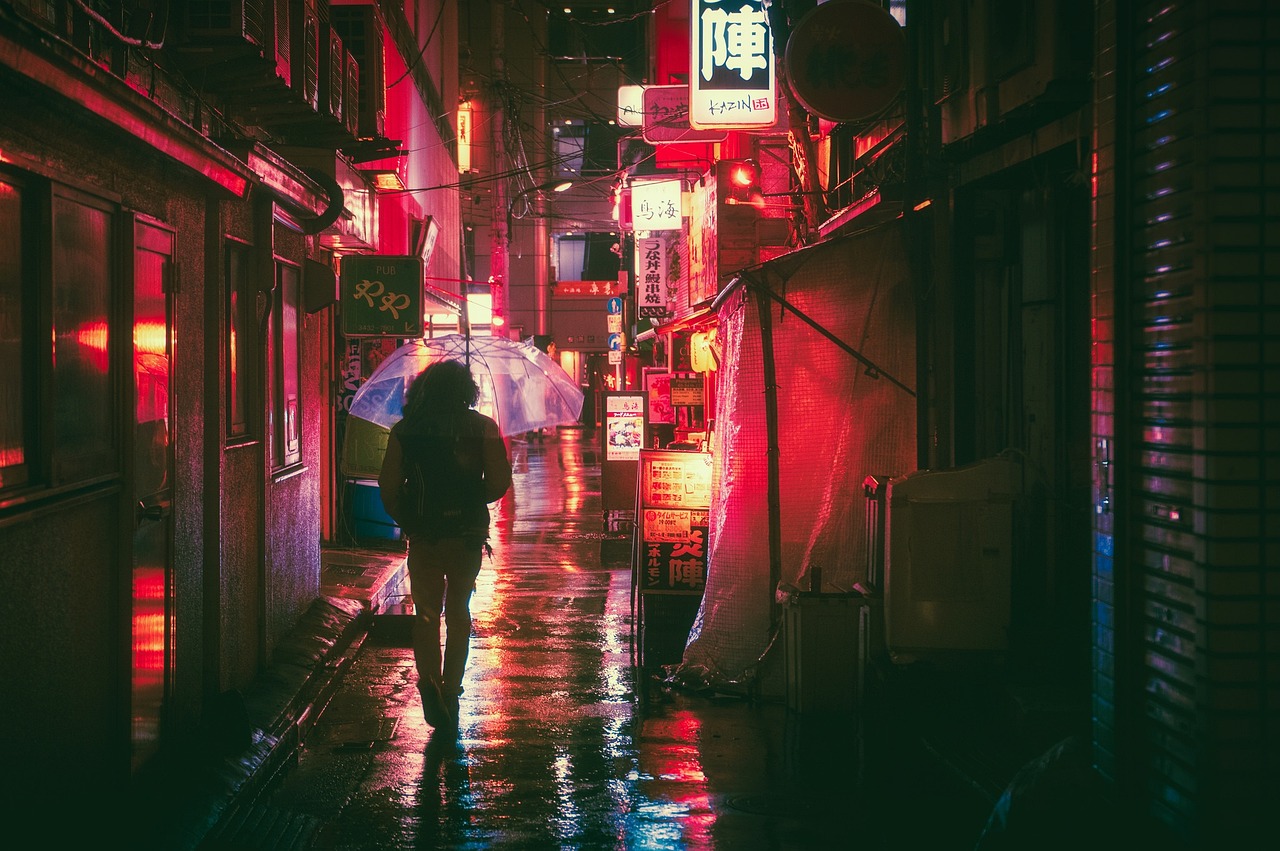
- Late-night culture done properly — restaurants open until 2:00 AM serving genuine food rather than tourist food
Tanimachi (谷町): Temple Food and Local Life
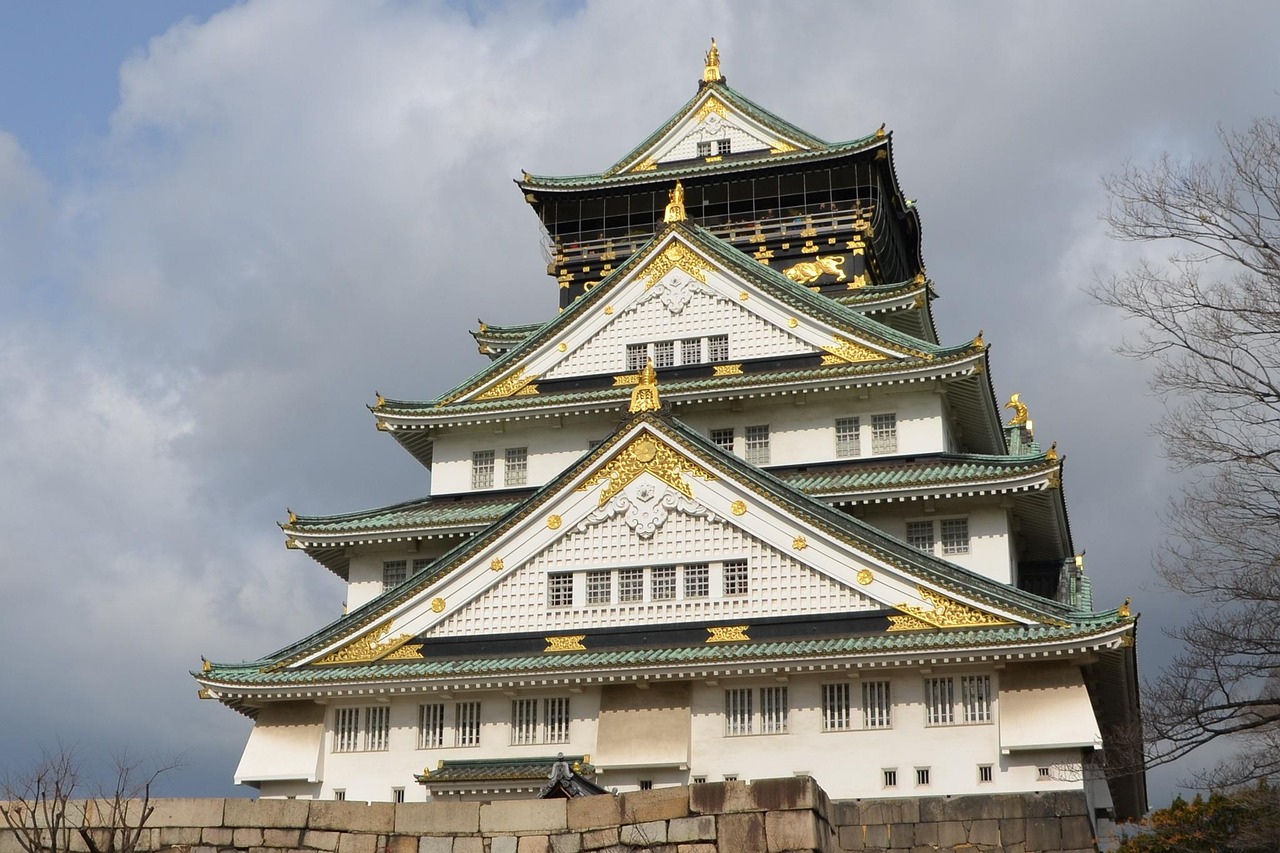
The area around Tanimachi — described in the Osaka Castle article — has a specific food culture reflecting its traditional and temple-adjacent character. The tofu shops, washoku restaurants, and traditional confectionery here serve the neighborhood's needs rather than visitor expectations.
Tsuruhashi (鶴橋): Osaka's Korean Town
Tsuruhashi — adjacent to Tsuruhashi Station on the JR Loop Line — is Japan's largest Korean market, a warren of covered arcades whose concentrated Korean food culture (yakiniku, kimchi, Korean street food) has been operating since the postwar period. The yakiniku here — beef, offal, and vegetables grilled over charcoal at counter tables — is the finest available in Osaka and among the finest in Japan.
The Street Food Category
Takoyaki (たこ焼き): The canonical Osaka street food — in its home city, a simple, inexpensive snack sold from stalls throughout the city. The street food culture of eating takoyaki from a small boat-shaped cardboard tray while walking, using the provided bamboo picks, is specifically Osakan.
Okonomiyaki (お好み焼き): The Osaka preparation — batter, cabbage, protein, and egg mixed together before cooking, then topped with Worcestershire sauce, mayonnaise, and dried bonito — is different from the Hiroshima layered style. The restaurant experience (cooking at a table-top iron griddle) is the correct one.
Planning where to stay in Osaka? Browse our honest hotel picks and area guides.
🏨 Planning where to stay?
Every area guide on this site pairs with honest, station-by-station hotel picks. Start here: Osaka Hotel Guides →