This article may contain affiliate links. If you book through them, we may earn a small commission at no extra cost to you.
On this page
Introduction: More Complicated Than You've Read
No single topic in Japan travel generates more anxiety, more contradictory advice, and more genuinely uncertain information than tattoos at onsen (温泉). The situation is commonly simplified to "tattoos are banned at Japanese onsen" — a statement that is simultaneously true (at most traditional facilities), partially true (at many facilities), and increasingly untrue (at a growing number that have changed policies). The reality in 2026 is nuanced enough to require careful, honest navigation.
Why the Policy Exists
The ban's historical origin is the association between tattoos and yakuza (暴力団) — Japan's organized crime groups — whose members traditionally bore extensive tattooing as a marker of group membership and commitment. Onsen and public bath facilities implemented no-tattoo policies to exclude yakuza members from their premises, a practical decision based on the desire to maintain an environment where ordinary customers felt safe.
The contemporary complication: The cultural landscape of tattooing has changed dramatically since these policies were established. Tattoos are now common among young Japanese people independent of any criminal association, widespread among foreign visitors for whom tattooing carries no organized crime connotation whatsoever, and present in significant numbers among sports professionals (particularly MMA fighters, professional wrestlers, and athletes of non-Japanese backgrounds) who visit Japan regularly.
The policies have struggled to adapt to this changed reality — most facilities maintain the original blanket ban because changing it requires acknowledging that the ban was always about social signals rather than the tattoos themselves.
The Situation in 2026
Traditional large-scale onsen facilities (major resort hotels, soto-yu public baths): Most maintain the tattoo ban, particularly those with older management and traditional customer bases. Posting is typically at the entrance.
Urban capsule hotel and business hotel onsen: Increasing variation — some maintain the ban, others have explicitly changed policy to accommodate international guests. Capsule hotels with younger management and international customer focus are more likely to have liberalized policies.
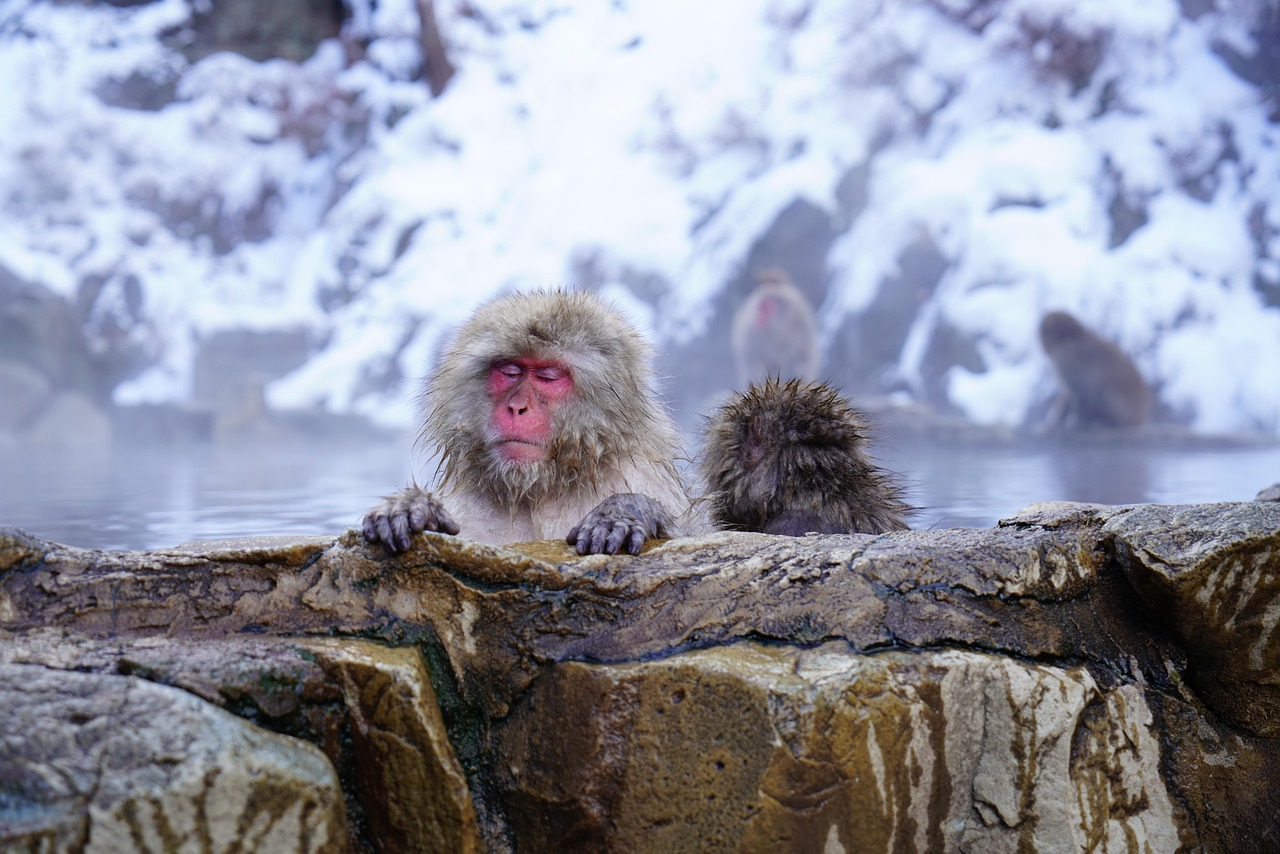
Private baths (貸切風呂 / kashikiri buro): The single clearest solution — a private bath reserved exclusively for your group means you share the space with no one else, and policies about what you have in your own body are the facility's concern only if they explicitly state otherwise. Most facilities that cannot accommodate tattooed guests in communal baths will confirm that private bath access is unrestricted.
Waterproof bandage policy: Several onsen facilities offer a practical compromise — covering small tattoos with large waterproof bandages (防水テープ / bōsui tēpu), which the facility will typically sell or provide, allows bathing in the communal area. This approach is explicitly advertised as available at a growing number of facilities as a "covered tattoo (タトゥー隠し / tatū kakushi)" accommodation.
Explicitly tattoo-friendly facilities: A specific (but growing) category of onsen businesses has adopted official tattoo-acceptance policies, sometimes advertising this explicitly in their listings on booking platforms. These are most common in tourist-dense areas (Tokyo's capsule hotel district, Osaka's Dotonbori area, Kyoto's tourist accommodation zones) and in areas with significant international visitor presence.
Practical Guidance
Research before arriving: The most reliable current policy information comes from the facility's own website, booking platform description, or a direct inquiry (email or phone) before visiting.
Honest disclosure: If you are uncertain whether a facility accepts tattoos, ask before paying and undressing. Japanese staff generally prefer a brief, polite inquiry to the uncomfortable situation of discovering a policy conflict at the undressing stage.
Private bath as universal solution: If your primary interest is experiencing genuine Japanese hot spring water rather than the communal bathing social experience, private bath booking is both the simplest solution and a genuinely pleasant experience in its own right.
Regional variation: Facilities in areas with lower international visitor traffic (particularly traditional rural onsen towns) tend to have stricter enforcement of existing policies; urban and resort-area facilities tend toward more flexibility.
The Direction of Change
The trend is clearly toward gradual liberalization — the 2020 Tokyo Olympics created significant pressure for policy change (how to accommodate tens of thousands of tattooed international athletes?), and the post-pandemic tourism recovery has continued the conversation. Several major onsen operators have officially revised policies to permit covered tattoos or tattoos of under a specific size.
The blanket ban as universal rule is a simplification that was never entirely accurate — it has become less accurate over time.
🏨 Planning where to stay?
Every area guide on this site pairs with honest, station-by-station hotel picks. Start here: Hotel Guides by Station →