This article may contain affiliate links. If you book through them, we may earn a small commission at no extra cost to you.
On this page
Introduction: The Japan That Speed Misses
There is a version of Japan travel that is extremely common and leaves visitors feeling simultaneously that they saw a great deal and that they somehow missed the point. The schedule: Tokyo (3 days), Kyoto (2 days), Osaka (1 day), Hiroshima (day trip), maybe Hakone, back to Tokyo, flight home. Eleven temples visited, fourteen shrines photographed, eight ramen bowls consumed, twelve thousand steps per day, and a persistent sense that the real Japan was just around the corner of the itinerary that never quite came.
The alternative is not longer travel (though longer helps). It is different attention — the specific quality of noticing that makes a single temple garden more memorable than twenty temples seen at pace. This guide is not about destinations. It is about how to be in destinations.
The Structural Problem with Standard Japan Itineraries
The standard Japan itinerary is designed around the logic of coverage — seeing as many famous things as possible in a limited time. This logic is understandable and not entirely wrong. But it has a specific cost that is rarely acknowledged: the faster you move, the less you actually see of each place.
A study of tourist visual attention in museum contexts has found that the average time spent looking at an individual artwork in a major museum is approximately 27 seconds. Japanese temple gardens — some of the most deliberately composed environments ever created, designed to be read slowly and at multiple levels — receive approximately the same duration of attention from most visitors.
The problem is not stupidity or shallow interest. It is structural — when you have four major temples to visit before 2:00 PM, the time allocation per temple is determined mathematically, not by what the temple actually contains or requires.
Practical Strategies for Mindful Japan Travel
Reduce the Number of Sites by Half
The most effective single change is to plan fewer destinations and spend more time at each. If your current Kyoto plan includes ten sites, make it five. The five you visit will become real in a way that the ten never can.
The specific sites to prioritize are those with sitting opportunities — not because sitting is the only mindful activity, but because sitting forces time that standing does not. Japan's greatest temple gardens (Ryōan-ji's rock garden, Tenryū-ji's pond garden, Kenroku-en in Kanazawa) are designed to be contemplated from a seated position. The benches and verandas that face these gardens are there for a reason.
Arrive When No One Else Is There
The early morning is Japan's greatest open secret. Fushimi Inari at 5:30 AM, Arashiyama bamboo grove at 6:00 AM, the Shinkansen platform at Kyoto before 7:00 AM — these times give access to places that are genuinely, measurably different from their midday versions. The emotional quality of an empty famous place — the sense of it existing for your attention specifically — is something that photographs of the crowded version cannot reproduce.
Eat Slowly and Without Your Phone
Japanese meals — particularly the traditional formats of kaiseki, teishoku, and ramen — are designed to be eaten with attention. The progression of a kaiseki meal, the specific order of dishes, the textural contrasts and seasonal references, are all communication that speed and distraction prevent receiving. A meal eaten while checking social media is a different meal from one eaten with attention to what is in front of you.
Learn to Read One Thing Deeply
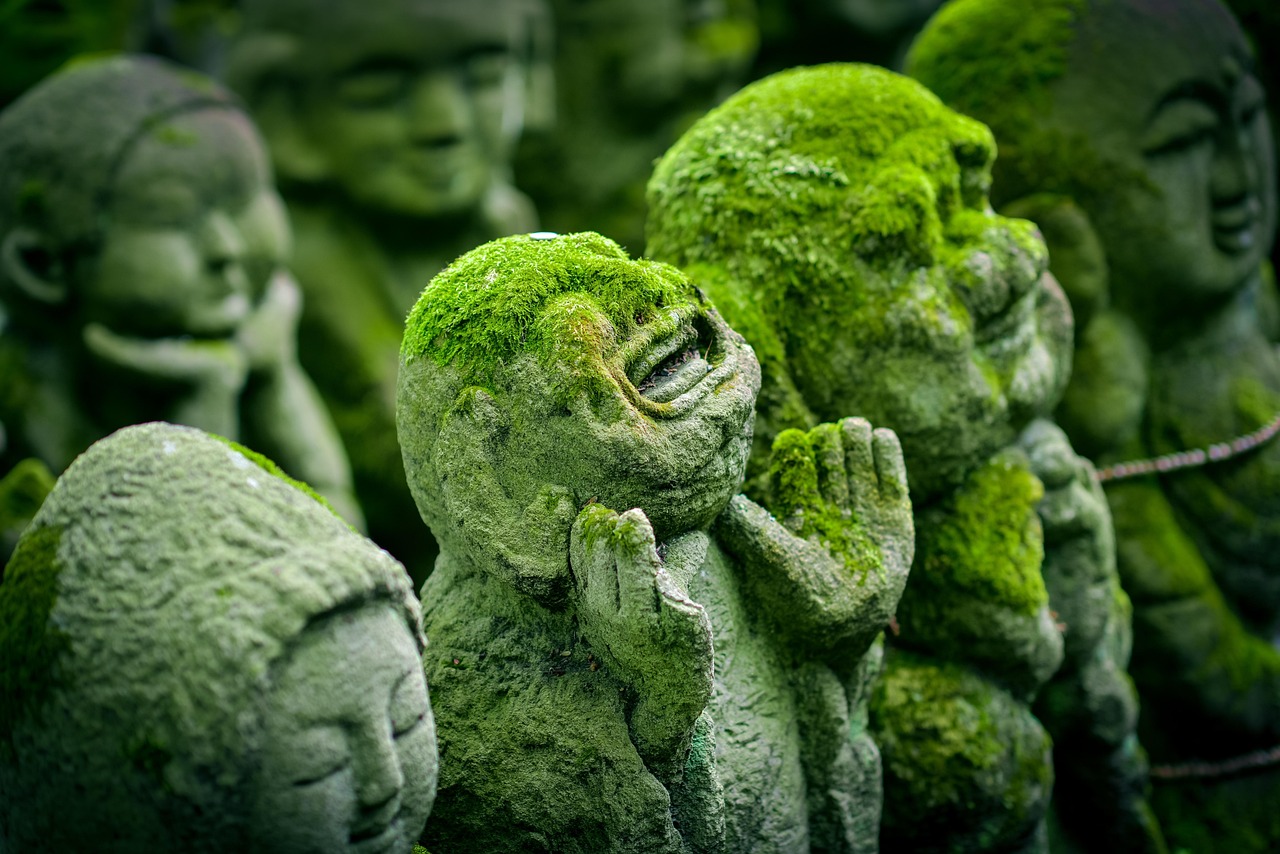
Instead of photographing every temple building, choose one element per site and spend ten minutes with it: one rock in Ryōan-ji's garden, one fusuma painting in a Kyoto temple, one pattern in a kimono shop, the specific behavior of the water in a garden's stone basin. The discipline of sustained attention to a single element produces a different quality of memory from the documentation of many.
Engage With People Who Are Not in Tourism
The people most likely to show you Japan are the ones you have to make an effort to speak with: the shopkeeper whose shop you've entered for something you actually want, the elderly person at the neighborhood shrine at 7:00 AM, the ramen shop owner who has been making the same recipe for forty years. Language is a barrier, but the barrier is lower than most visitors fear — an expression of genuine interest, a question about a food or a building or a craft, opens more doors in Japan than the average guidebook suggests.
Use Trains for Their Own Sake
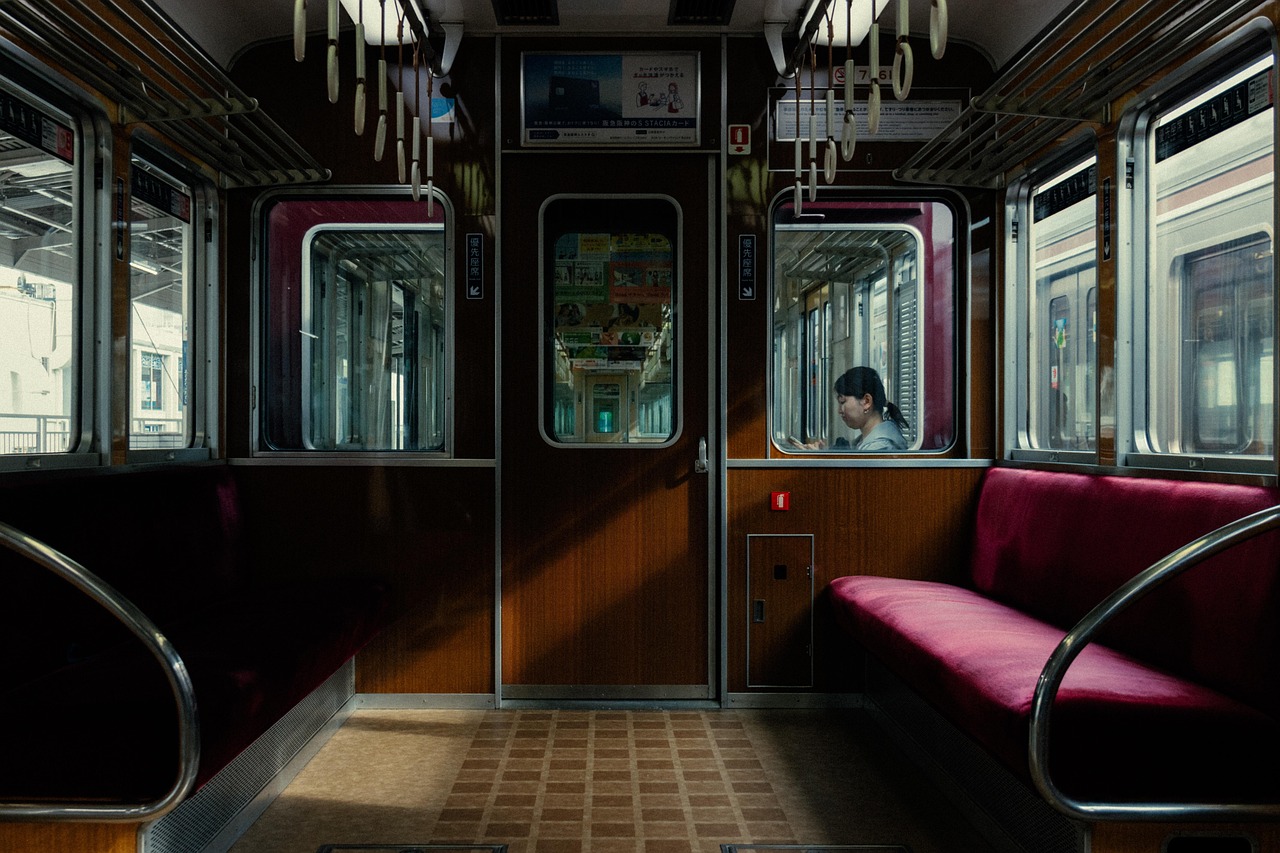
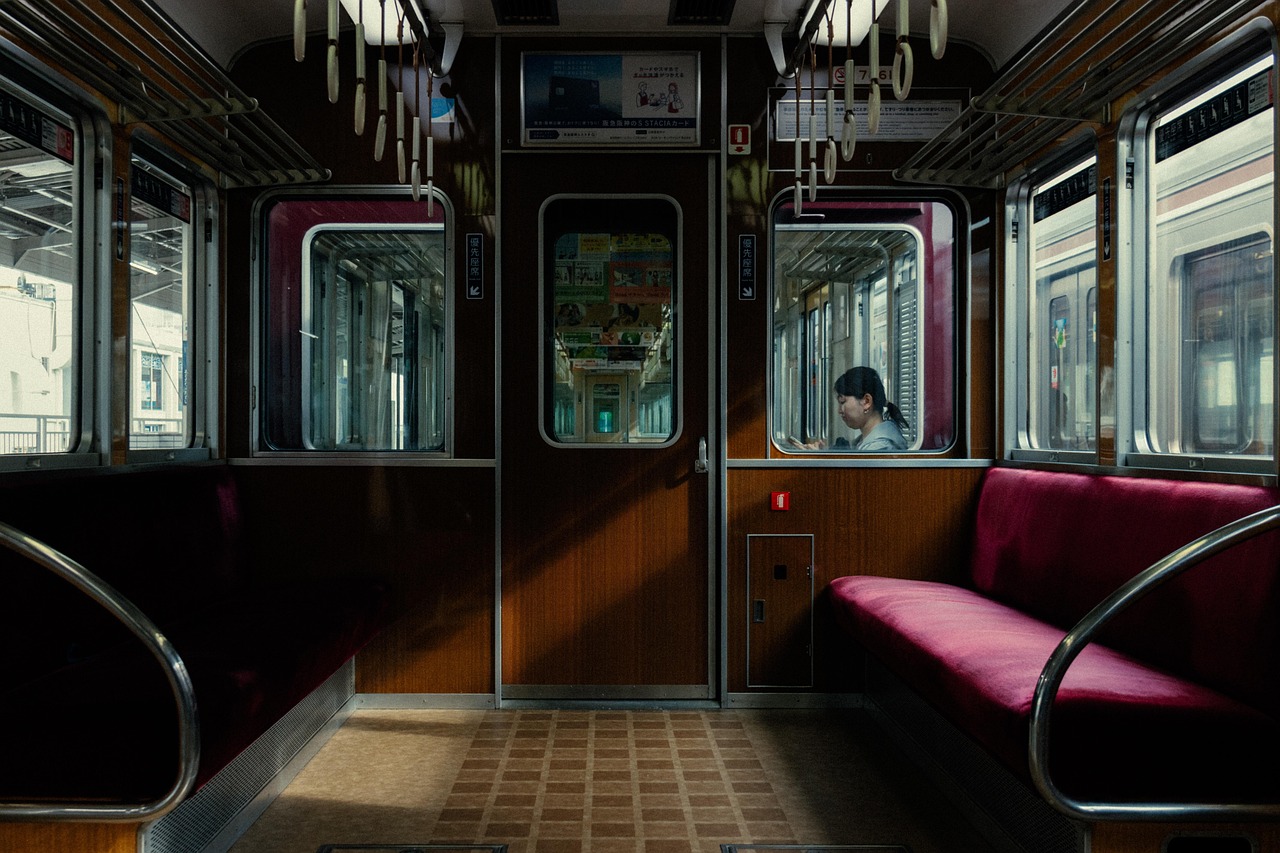
Japan's train network is one of the finest human engineering achievements of the 20th century, and many visitors use it purely instrumentally. The alternative: sit in a window seat, do not use your phone for the duration of the journey, and watch Japan move past the window. The landscape between stations — the rice paddies, the mountains, the village houses, the sudden appearance of a shrine gate in the middle of an otherwise mundane scene — is itself an experience.
The Concept That Helps: Ma (間)
Ma (間) is a Japanese aesthetic concept without direct English translation — it refers to the negative space, the pause, the interval, the emptiness that gives form to the surrounding presences. In music, ma is the rest between notes. In architecture, ma is the space between pillars. In garden design, ma is the emptiness of the raked gravel that gives the placed rocks their significance.
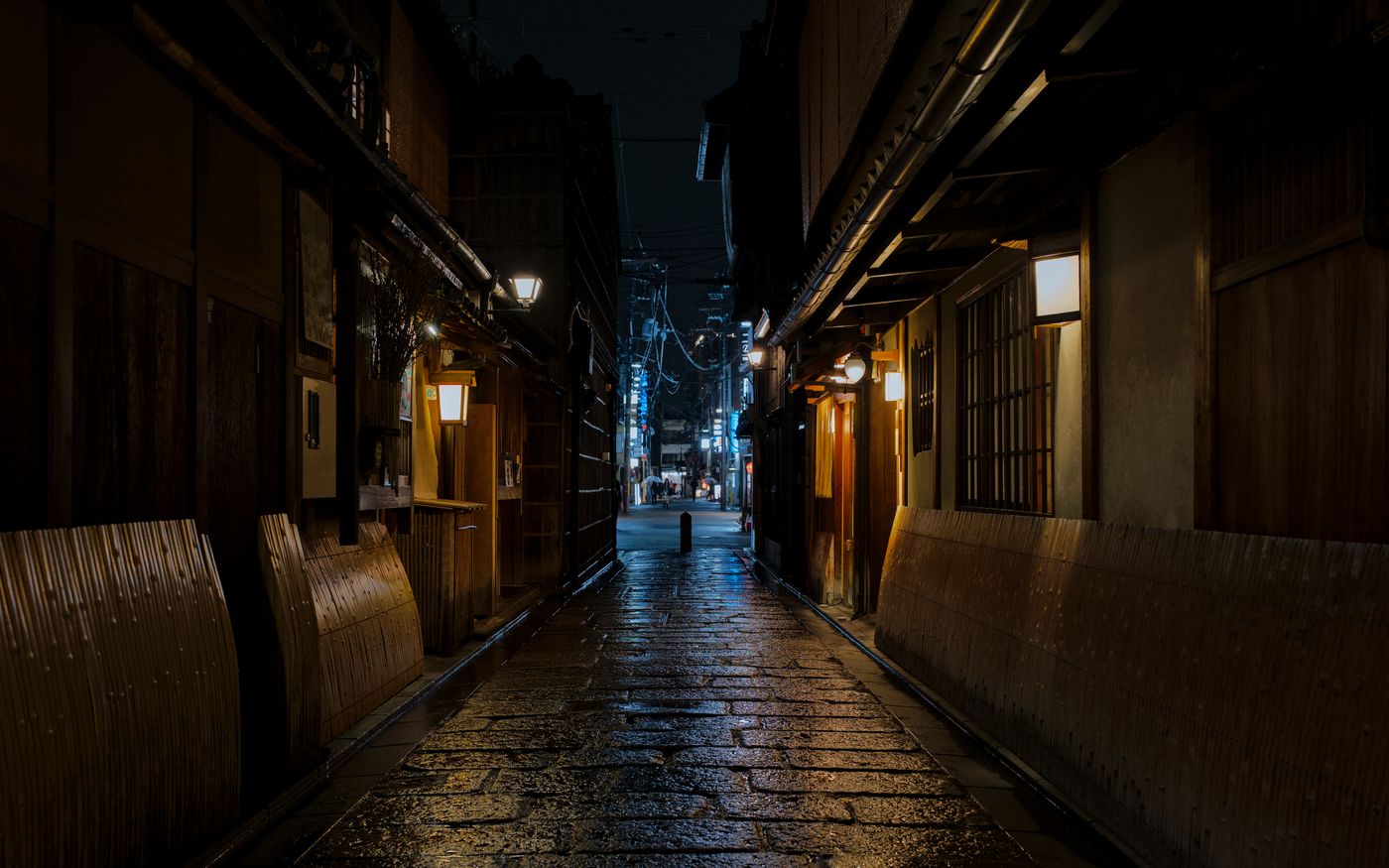
Applying the concept of ma to travel means valuing the transitions, the pauses, the empty hours as much as the scheduled activities. The morning with nothing planned, during which you walk slowly through an unfamiliar neighborhood and notice what is there. The hour in a coffee shop watching the rain fall on a Kyoto street. The long train journey with nothing to do but watch. These are not gaps in the travel experience — in the Japanese aesthetic understanding, they are its structure.
🏨 Planning where to stay?
Every area guide on this site pairs with honest, station-by-station hotel picks. Start here: Hotel Guides by Station →