This article may contain affiliate links. If you book through them, we may earn a small commission at no extra cost to you.
On this page
How a Quiet Old Town Became Tokyo’s Coffee Capital
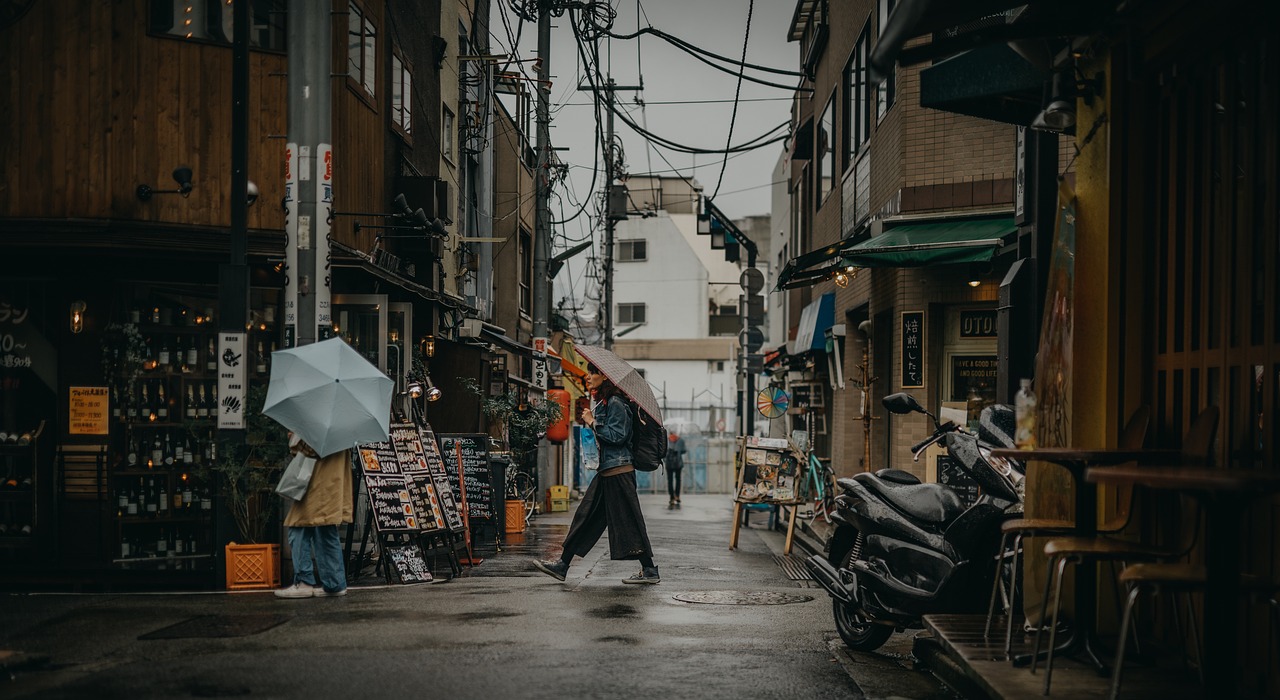
Kiyosumi-Shirakawa was, until roughly the 2010s, known for exactly two things: a beautiful Meiji-era stroll garden and a concentration of warehouses left over from its canal-freight days. Then the coffee roasters arrived — drawn by exactly those warehouses, whose high ceilings and cheap floor space suited roasting machines — and the neighborhood quietly became the center of Tokyo’s third-wave coffee culture. When a famous California roastery chose Kiyosumi for its first overseas café, the transformation was official.
The Coffee Circuit
Within a fifteen-minute walk you can visit a dozen roasteries and cafés, most roasting on site: minimalist counters in converted lumber warehouses, family-run shops pulling single-origin hand drips, and roasters happy to talk through their beans if you show interest. Weekday mornings are calm; weekend afternoons queue. The correct itinerary is two coffees, one garden, one museum, in whatever order suits your caffeine tolerance.
Between the Coffees
Kiyosumi Garden
A classic strolling garden built around a large pond by the Mitsubishi founder in the Meiji era, famous for its stepping-stone paths and stones shipped from across Japan. At a few hundred yen it is one of Tokyo’s best-value traditional landscapes, and dramatically quieter than Rikugien or Koishikawa.
The Museum of Contemporary Art (MOT)
Tokyo’s largest contemporary art museum sits on the neighborhood’s eastern edge in Kiba Park — a serious institution with rotating exhibitions that pair perfectly with the area’s slow pace.
Fukagawa Edo Museum
A life-size recreation of an 1840s canal-district block — lit to cycle from dawn to night — that explains what this whole area looked like before the warehouses and the roasters.
Practical Notes
- Access: Kiyosumi-Shirakawa Station (Hanzomon Line and Oedo Line)
- Best time: weekday mornings for empty cafés and the garden in soft light
- Budget: coffees ¥500 (approx. $3)–700; garden entry nominal; MOT exhibitions vary
- Combine with: Monzen-Nakacho’s temple district, a 15-minute walk south
Kiyosumi-Shirakawa is what neighborhood reinvention looks like when it goes right: the warehouses kept their bones, the garden kept its silence, and the coffee gave people a reason to discover both.
Planning where to stay in Tokyo? Browse our honest hotel picks and area guides.
🏨 Planning where to stay?
Every area guide on this site pairs with honest, station-by-station hotel picks. Start here: Tokyo Hotel Guides →