This article may contain affiliate links. If you book through them, we may earn a small commission at no extra cost to you.
On this page
Introduction: The 300-Yen Experience That Created a Global Industry
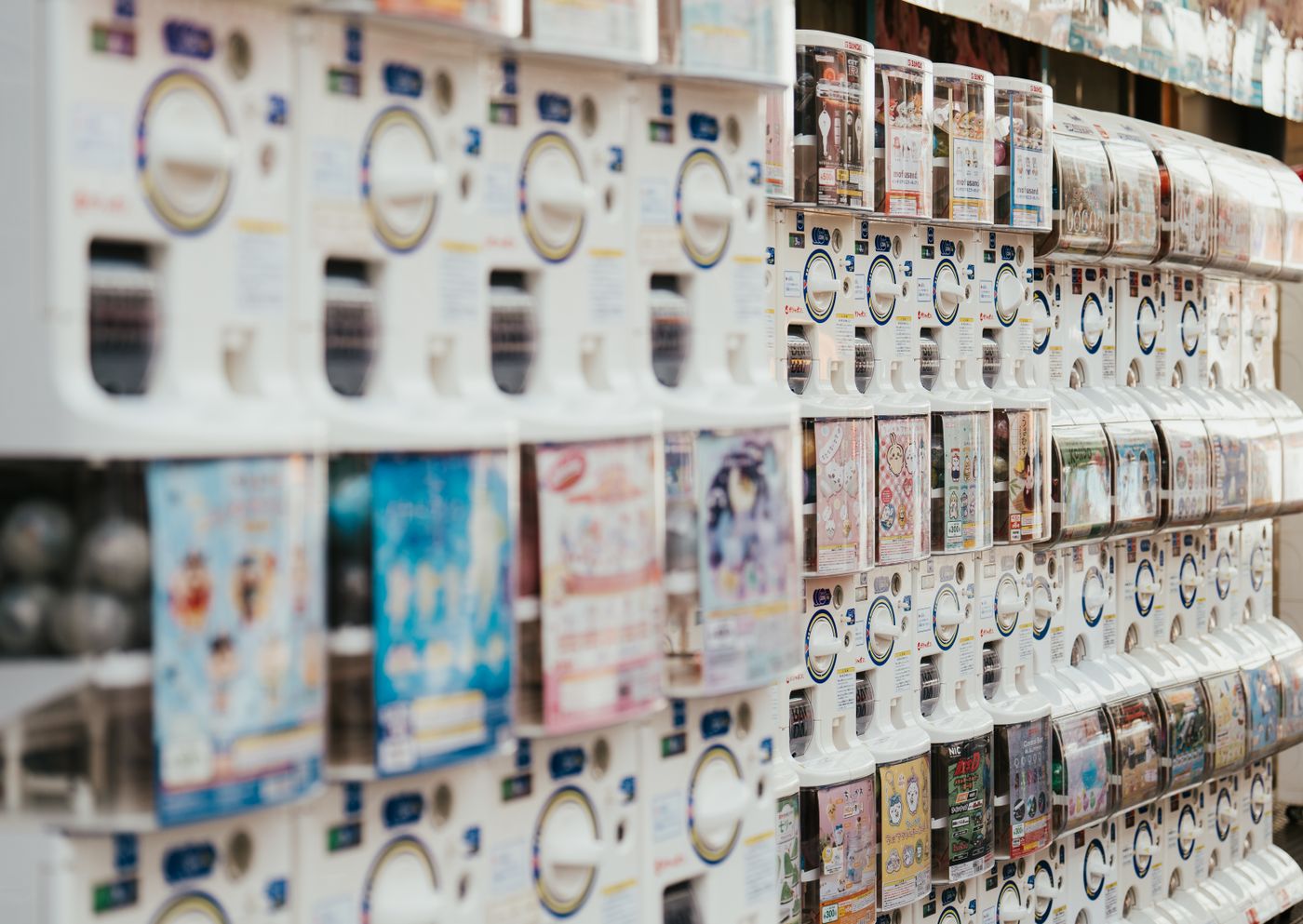
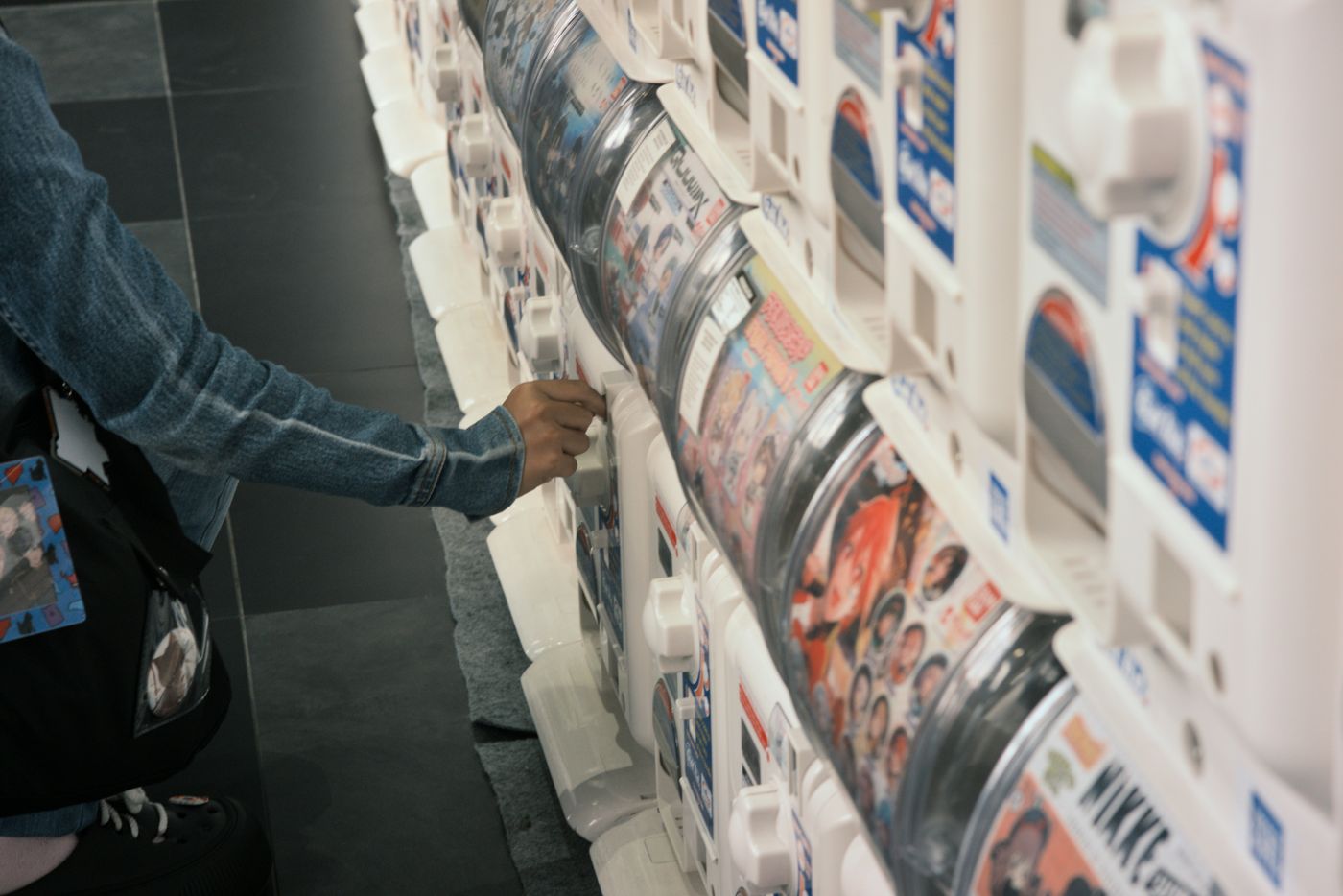
Gachapon (ガチャポン) — Japan's capsule toy vending machines — are among the most purely enjoyable small cultural experiences Japan offers, and one of the most genuinely exportable elements of Japanese popular culture in the 21st century. The format: insert ¥200–¥500 in coins into a vending machine housing a specific toy line, turn the handle, and receive a randomly assigned capsule containing one figure, accessory, or miniature from the line's limited range. The randomness is essential — collecting the full set requires multiple purchases, and the brief moment between turning the handle and discovering which capsule you've received has a specific quality of low-stakes anticipation that is universally appealing.
Understanding the Gachapon Industry
The Japanese gachapon industry has boomed in the 2020s — the market reached roughly ¥140 billion (approx. $940 million) in fiscal 2024, about double its 2022 size (checked July 2026) — an extraordinary figure for a product whose individual unit typically costs less than a cup of coffee. The market is dominated by Bandai Namco (the Gashapon brand), Takara Tomy A.R.T.S. (whose registered brand is simply "Gacha"), and several smaller manufacturers.
The licensing model: Gachapon success depends heavily on licensing — the most popular machines contain miniatures of established intellectual property (Evangelion characters, Pokémon, Ghibli characters, Dragon Ball figures) alongside original gachapon-exclusive designs. The licensing relationship runs in both directions: established IP generates gachapon sales, while particularly successful gachapon designs sometimes cross over to standalone merchandise.
The artisan tier: A significant and growing segment of the gachapon market is artist-designed limited editions — figures produced by independent artists or small design studios in limited runs, sold through gachapon format as a distribution mechanism that bypasses traditional retail channels. These machines, concentrated in Harajuku and design-focused districts, produce collectible art objects rather than character merchandise.
The Most Interesting Categories
Hyper-realistic food models: A specifically Japanese gachapon specialty — miniature food items reproduced at approximately 1/6 scale with extraordinary accuracy, often indistinguishable in photographs from the real item. Re-Ment (リーメント) produces the most internationally acclaimed versions.
Lifestyle category miniatures: Replicas of ordinary Japanese objects — specific brands of canned coffee, iconic vending machine fronts, iconic shop packaging — that function as tiny cross-sections of Japanese material culture.
Traditional craft miniatures: Gachapon reproducing elements of traditional Japanese material culture (miniature lacquerware, tiny netsuke-style figures, miniature traditional toys) at museum-collection quality for pocket change.
Character figure series: The mainstream category — figures from anime, manga, games, and established pop culture franchises, produced at the 3–7 cm scale typical of gachapon format.
Where to Find the Best Machines
Akihabara (秋葉原): The highest density of gachapon machines in Tokyo — multiple dedicated gachapon floors in buildings like GACHAPON KAIKAN (ガチャポン会館) containing hundreds of machines representing the full current range of available product.
Nakano Broadway: As covered in the dedicated article — the gachapon culture here overlaps with the broader vintage and collectible culture, with older discontinued gachapon series available alongside current releases.
Train station concourses: Major stations (Shinjuku, Shibuya, Tokyo) increasingly incorporate gachapon machine banks in transit corridors, reflecting the format's transition from toy store accessory to mainstream retail.
The Global Expansion
In the 2020s, gachapon machines have appeared in considerable numbers outside Japan — in shopping centers and entertainment venues across Southeast Asia, North America, and Europe. The format's appeal translates across cultures, and the machines' self-service, cash-or-card, no-language-barrier operation makes them uniquely accessible as an international cultural export.
🏨 Planning where to stay?
Every area guide on this site pairs with honest, station-by-station hotel picks. Start here: Hotel Guides by Station →