This article may contain affiliate links. If you book through them, we may earn a small commission at no extra cost to you.
Tohoku Shinkansen Guide · Mizusawa-Esashi Station
Mizusawa-Esashi Station: Iwate’s Quiet In-Between —
The Heian Movie Village, Craft Ironware & Where to Actually Sleep
Oshu City · Esashi Fujiwara Heritage Park · Nambu Ironware · A Park-and-Ride Reality Check
🚄 Morioka ~25 min · Tokyo ~2 hr 15 min
🏬 Esashi Fujiwara no Sato — the Heian film set you can wander
⚒️ Mizusawa — a cradle of Nambu ironware
🌟 Home turf of Ohtani Shohei (yes, that Oshu)
On this page
What Kind of Area is Mizusawa-Esashi? A Local’s Honest Take
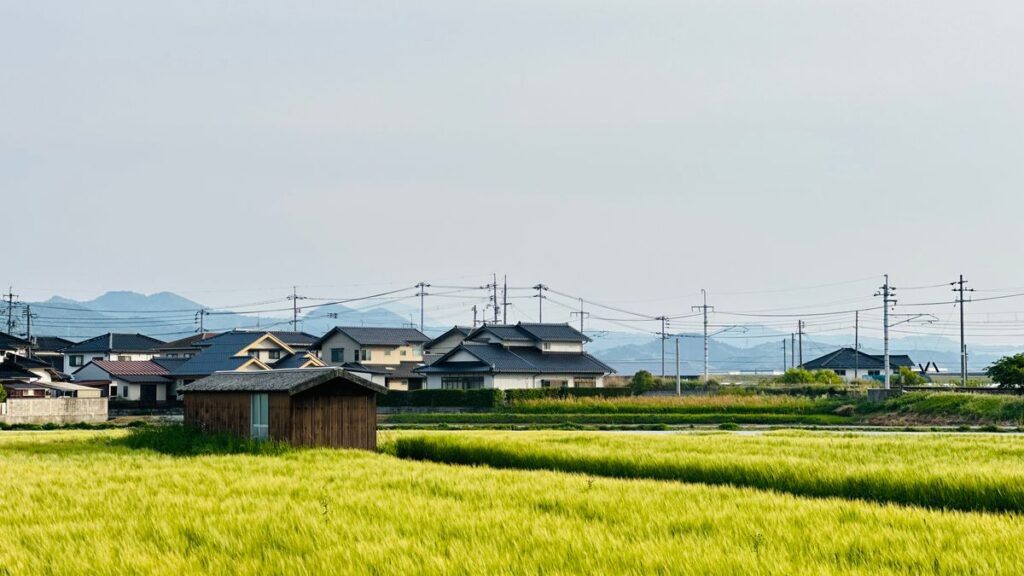
Let’s set expectations the way we always do: Mizusawa-Esashi is a park-and-ride station on the edge of Oshu city, built between the two towns it names and belonging fully to neither. Exit the gates and you meet a plaza, farmland, and — charmingly — a bronze nod to the city’s most famous son, a certain two-way baseball player whose hometown this is.
The reasons to get off are real but specific. Esashi Fujiwara no Sato is a 20-hectare recreation of Heian-period palaces — built as the set for NHK dramas and used by film crews ever since — that doubles as the best place in Japan to walk through the world Hiraizumi’s ruins only imply. Mizusawa’s foundries have poured Nambu ironware for 900 years, and workshops still sell kettles at maker prices.
Do Fujiwara no Sato and Hiraizumi as one day: morning at the film-set palaces while the light rakes the vermilion halls, then train two stops south to stand in the real Konjikido by afternoon. The pairing turns ruins into a world.
Getting Around from Mizusawa-Esashi
🚄 Shinkansen
Morioka ~25 min · Ichinoseki ~10 min · Tokyo ~2 hr 15 min. Limited stopping Yamabiko — check times. Line overview: Tohoku Shinkansen guide.
🚕 Onward
Taxi ~15 min to Fujiwara no Sato or to Mizusawa’s town center (which has its own local-line station); rental cars at the plaza. Bus service exists but is thin — treat it as a bonus, not a plan.
What to See Around Mizusawa-Esashi
🏬 Esashi Fujiwara no Sato
Vermilion gates, shinden-zukuri palaces, thatched samurai residences — 120 structures of walkable Heian scenography where taiga dramas from “Homura Tatsu” onward were shot. Rent a heian costume if you’re brave; autumn evenings run illuminations.
⚒️ Mizusawa’s Nambu Ironware Quarter
Alongside Morioka, this is the ironware craft’s heartland — the Mizusawa Bronze & Iron Museum and open foundry shops line the old town, and a well-kept kettle from here outlives its buyer.
🌸 Around Oshu
Mizusawa Park’s cherry rows, Kokuseki-ji’s austere temple woods (its naked-man Sominsai festival made national news when it ended its thousand-year run in 2024), and Ohtani-pilgrimage photo spots the city signposts with visible pride.
Where to Actually Stay
Here’s the honest architecture of the choice: the station itself has no meaningful hotel cluster. Sleep where your plan points:
🏨 Mizusawa town center (~10 min by taxi/local train) — a handful of modest business hotels serve the foundry town; fine for one functional night.
🏨 Kitakami, one stop north — a proper station-front hotel row (Mets, Route Inn, Green Hotel) and Tohoku’s great cherry park. See our Kitakami guide.
🏨 Ichinoseki, one stop south — the Hiraizumi pairing base. See our Ichinoseki guide.
Overall Rating: Mizusawa-Esashi Area
| Category | Rating | Notes |
|---|---|---|
| Shinkansen Access | ★★☆☆☆ | Limited stops, park-and-ride design |
| Signature Sight | ★★★★☆ | Fujiwara no Sato is under-visited and superb |
| Craft Culture | ★★★★☆ | Nambu ironware at the source |
| Around the Station | ★☆☆☆☆ | Plaza, farmland, statue |
| Hotel Choice | ★★☆☆☆ | Sleep in Kitakami or Ichinoseki |
Who Should Get Off at Mizusawa-Esashi?
✔ Heian-period romantics and taiga-drama fans
✔ Ironware buyers hunting maker prices
✔ Ohtani pilgrims — the signage awaits you