This article may contain affiliate links. If you book through them, we may earn a small commission at no extra cost to you.
On this page
Introduction: The City That Chose Life
On August 6, 1945, at 8:15 AM, the United States dropped the world's first atomic bomb on Hiroshima. Approximately 80,000 people died instantly. By the end of 1945, the death toll had reached an estimated 90,000–166,000. The city was destroyed.
Hiroshima today is a city of 1.2 million people — rebuilt, economically vital, with excellent food, beautiful rivers, welcoming residents, and a determination to transform what happened here into a message rather than simply a wound. The city's relationship to its history is active: it is neither a monument frozen in trauma nor a place that has moved past what happened. It is a city that has chosen to make its experience of nuclear warfare the foundation of an ongoing international argument for peace.
Visiting Hiroshima responsibly requires understanding this active choice — and responding to it with the seriousness it deserves.
The History: What You Need to Know Before You Arrive
The Decision and Its Context
The atomic bomb dropped on Hiroshima was a uranium gun-type bomb ("Little Boy") with an explosive yield equivalent to approximately 15 kilotons of TNT — detonated at 600 meters altitude to maximize the blast radius. The bomb was dropped by the B-29 Enola Gay, commanded by Colonel Paul Tibbets.
The decision to use atomic weapons against Japan is one of the most debated in modern history, involving complex calculations about Allied casualties in a land invasion of Japan, the role of Soviet entry into the Pacific war, Japanese military resistance to surrender, and the moral question of targeting civilian populations. This guide is not the place to resolve that debate — but visitors to Hiroshima will be better prepared for what they encounter having engaged with its complexity rather than arriving with a simple narrative.
The Survivors: Hibakusha (被爆者)
The Japanese term hibakusha (被爆者) — "explosion-affected people" — designates survivors of the atomic bombings. As of 2024, hibakusha who are still living are in their 80s and 90s. Several hibakusha volunteer as testimonial speakers at the Peace Memorial Museum and related facilities, sharing their direct memory of August 6, 1945 and its aftermath. If the opportunity to hear a hibakusha testimony is available during your visit, it should be prioritized above any other activity.
The Peace Memorial Park (平和記念公園): How to Visit
Hiroshima Peace Memorial Park occupies approximately 12 hectares at the center of the district that was directly below the atomic bomb's detonation — the hypocenter (爆心地). The park was designed by architect Kenzo Tange and opened in 1955.
The Atomic Bomb Dome (原爆ドーム / Genbaku Dome)
The Atomic Bomb Dome (原爆ドーム) — the preserved ruin of the former Hiroshima Prefectural Industrial Promotion Hall — stands on the northern edge of Peace Memorial Park at the bank of the Motoyasu River. It is the only structure that survived (partially) near the hypocenter, and its preservation — decided by the Hiroshima city council in 1966 over objections from some residents who wanted all reminders removed — is a deliberate act of testimony.
How to approach the dome: The dome's most affecting view is from the T-shaped Aioi Bridge (相生橋) — the bridge that was the visual aiming point for the bomb's release. Standing on this bridge, looking back toward the dome with the park behind it, aligns you with the visual geometry of the event. This perspective is rarely included in tourist descriptions but provides the clearest spatial understanding of what happened here.
Visitor conduct at the dome: Quiet is appropriate. Photography is permitted and not discouraged — the dome exists to be seen and remembered. What is inappropriate is treating it as simply a photogenic ruin. The dome is what it is because approximately 80,000 people died within its sight in a single moment.
The Peace Memorial Museum (平和記念資料館)
The museum is divided into two buildings: the East Building (opened 1994) providing historical and political context for the atomic bombing, and the Main Building (renovated 2019) presenting the human experience of the bombing through personal testimony, physical artifacts, and direct accounts.
The Main Building is the more emotionally demanding of the two. A child's lunchbox, found with carbonized rice inside — the child never returned home. A wristwatch stopped at 8:15 AM. A stone step bearing a human shadow — the person sitting there at 8:15 is believed to have died on the spot, the surrounding stone bleached by the flash; the shadow remained.
These artifacts — small, ordinary objects transformed into witnesses of an extraordinary event — are the museum's most powerful element. Allow at least two hours. Do not rush. The ¥200 entry fee is the least this experience asks of you.
The testimony videos: The museum contains video testimonies from hibakusha recorded over decades. These are, for many visitors, the most affecting element of the entire Peace Park experience — more so than any artifact or photograph. Watching even one full testimony before leaving the museum is strongly recommended.
The Children's Peace Monument (原爆の子の像)
The Children's Peace Monument was built in 1958 to honor Sadako Sasaki (佐々木禎子) — a girl of two at the time of the bombing who developed leukemia at twelve as a result of radiation exposure, and who folded paper cranes while hospitalized, based on the Japanese legend that folding 1,000 cranes (千羽鶴 / senbazuru) grants a wish. She died in 1955, before completing 1,000 cranes by some accounts — by others, having completed them. The dispute about the number does not change the story's meaning.
Millions of origami cranes are donated to the monument annually from children and peace advocates worldwide. The visual effect of the folded cranes in the display cases surrounding the monument is, for many visitors, one of the most affecting moments of the entire Peace Park visit.
What Locals Want You to Know
Through conversations with Hiroshima residents and the museum's own guidance materials, several consistent themes emerge about what visitors from abroad often misunderstand:
Hiroshima is not asking for apology. The city's Peace Declaration, issued annually by the Mayor on August 6th, is addressed to world leaders and asks for nuclear disarmament — not for an apology from the United States. The framing is forward-looking rather than accusatory.
The museum presents context, not propaganda. The renovated museum presents the decision to drop the bomb within its historical context — including Japanese military actions in the war — rather than as an isolated act of American aggression. Visitors who expect simple victimhood narrative will find more complexity than anticipated.
Hiroshima residents have mixed feelings about mass tourism. The city welcomes visitors for whom the Peace Park is a serious destination. It has more complicated feelings about visitors who treat Hiroshima as a box to check on a Japan itinerary — arriving for two hours, photographing the dome, and leaving. If you are going to Hiroshima, go seriously.
Beyond the Peace Park: Hiroshima's Living City
Hiroshima deserves more than its history. The city's food culture is distinctive:
Hiroshima-style okonomiyaki (広島風お好み焼き): The Hiroshima version of the savory pancake layers ingredients (noodles, vegetables, egg, meat) rather than mixing them — creating a completely different eating experience from the Osaka version. The Okonomimura (お好み村) building near Hondori Street contains 25 okonomiyaki restaurants across four floors — the most concentrated okonomiyaki experience in Japan.
Oysters (牡蠣): Hiroshima is Japan's largest oyster producing region, accounting for approximately 60% of national production. Fresh oysters in every preparation style are available throughout the city, at prices reflecting their local origin.
Saijo Sake (西条酒): The town of Saijo (西条), 30 minutes east of Hiroshima by train, is one of Japan's three great sake brewing regions. Eight breweries operate in a concentrated area, offering tours and tastings.
Miyajima (宮島): The Island with the Floating Torii
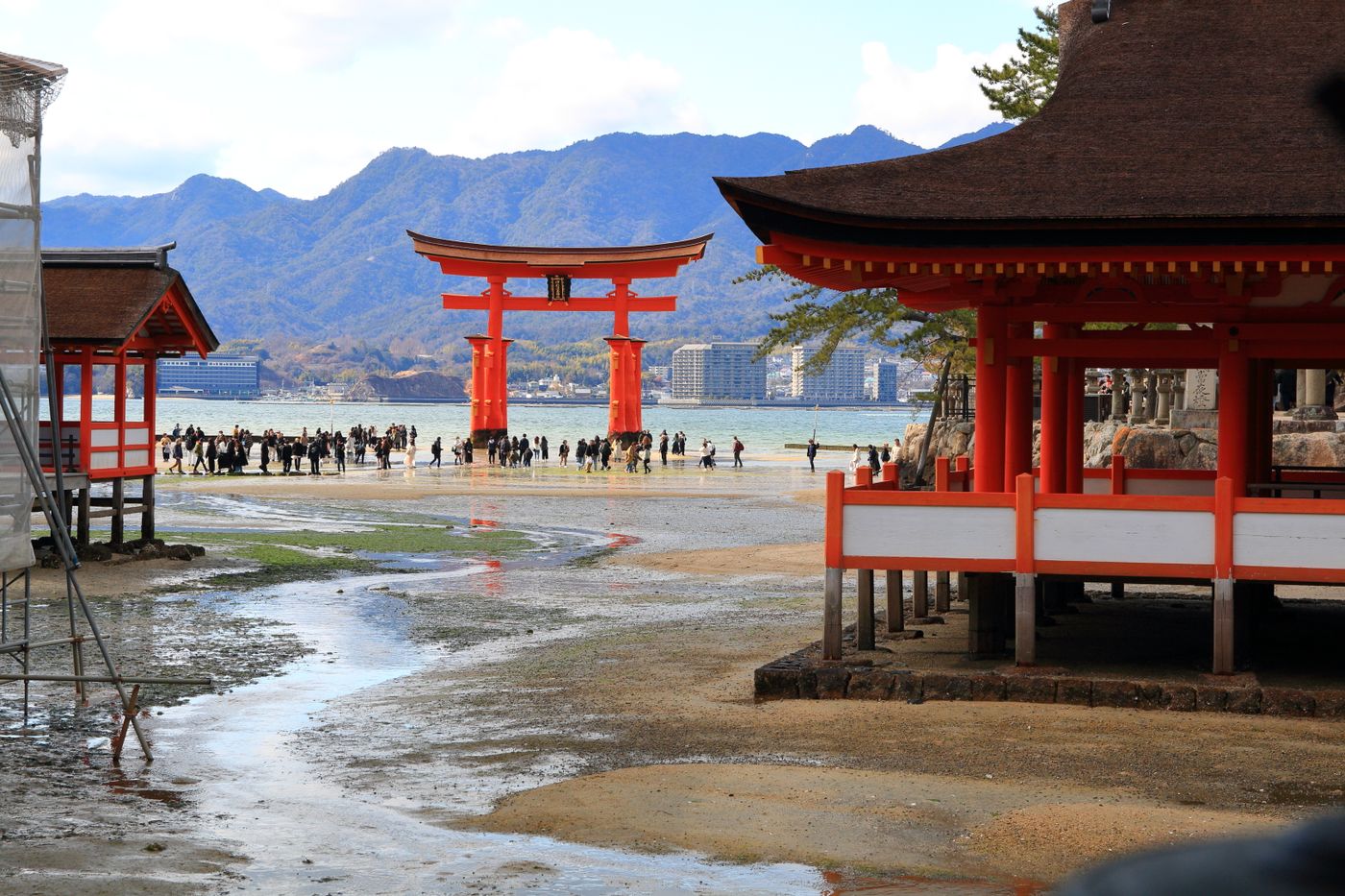
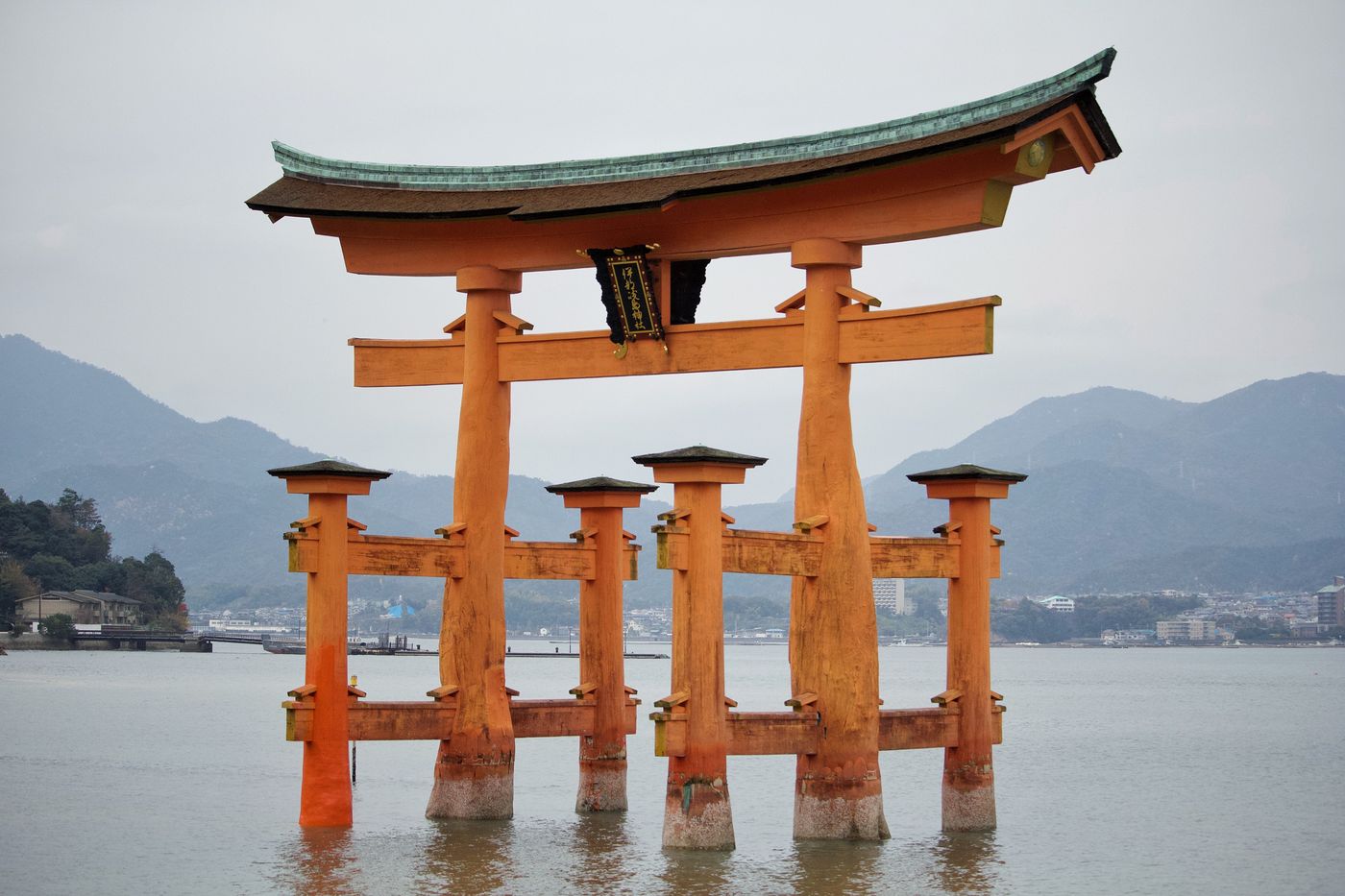
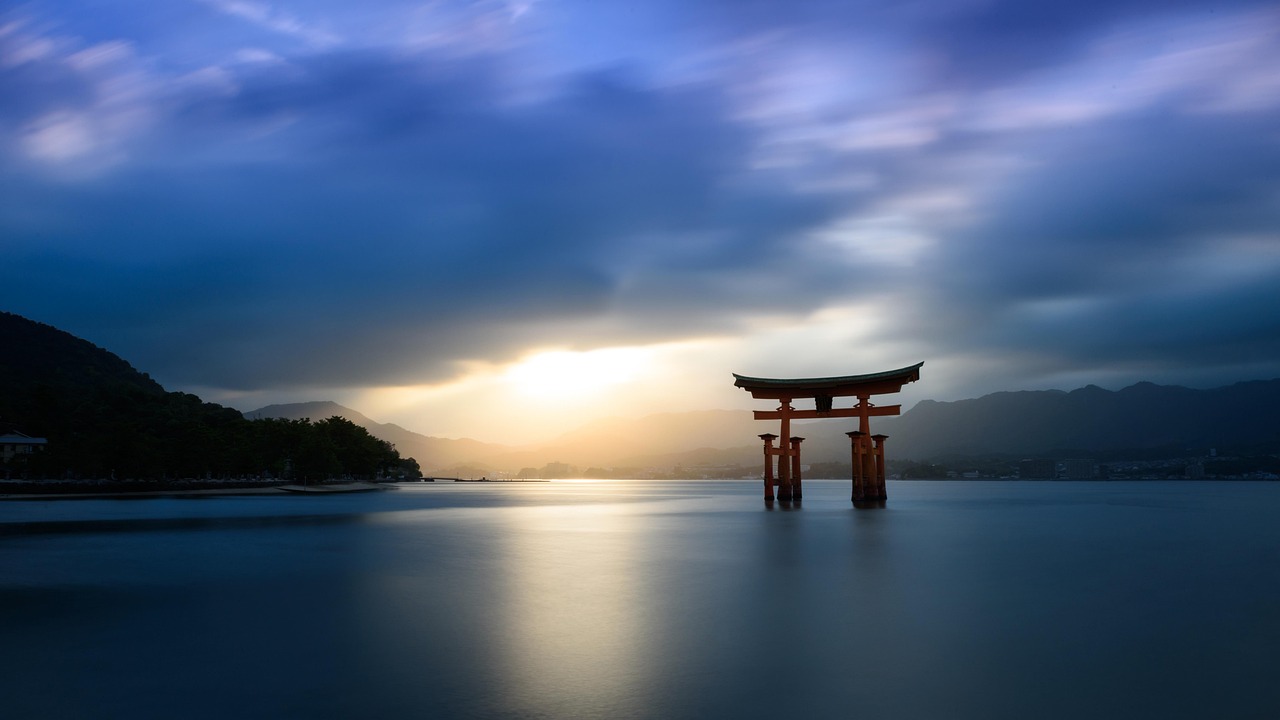
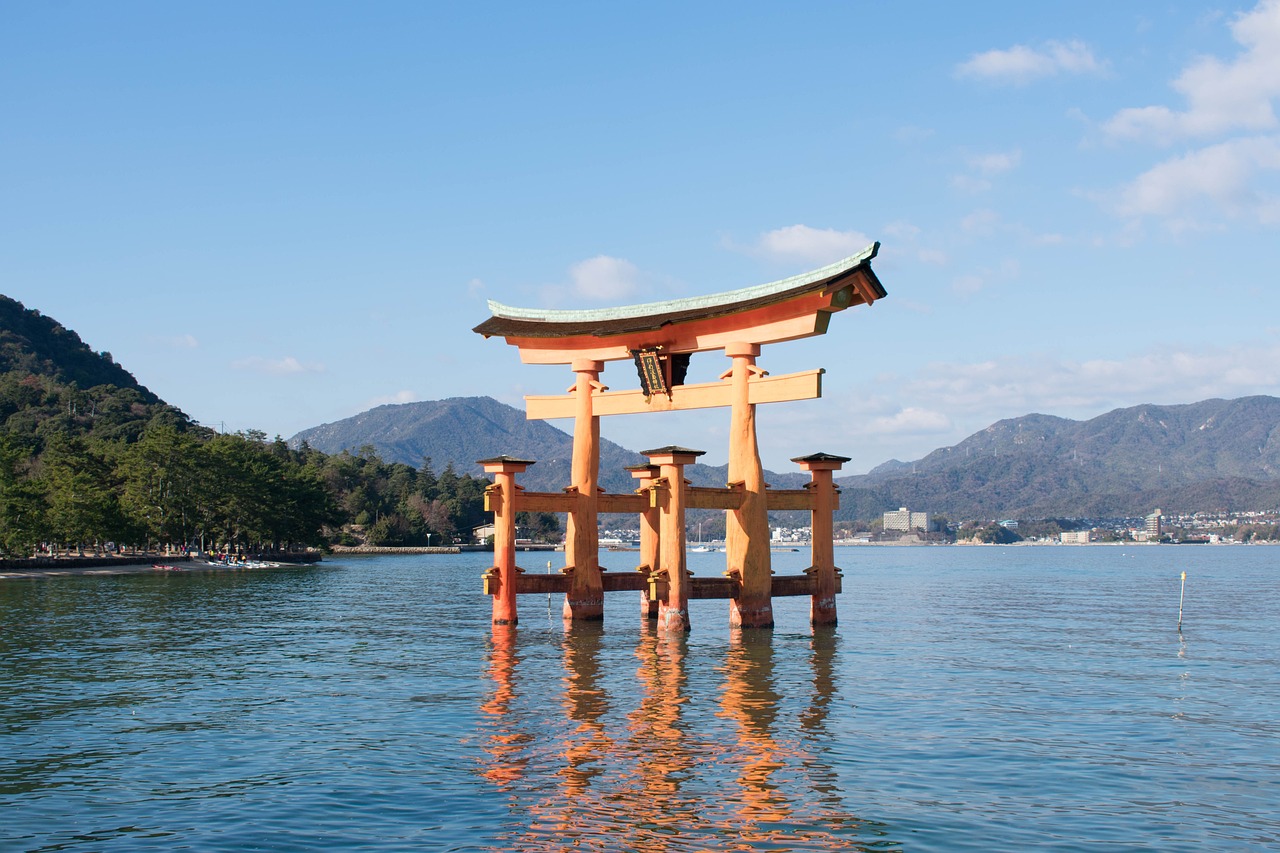
Miyajima (宮島) — a 30-minute ferry ride from Hiroshima — is one of Japan's three most scenic views: the Itsukushima Shrine (厳島神社) and its famous floating torii gate (大鳥居), standing in the sea at high tide with the forested mountain behind. The combination of the vermilion shrine buildings over the water, the torii gate, and the mountain creates a composition that has been celebrated in Japanese art since the Heian period.
Miyajima and the Peace Park are typically combined into a single Hiroshima day — morning at Peace Park, afternoon at Miyajima. The contrast between the experiences is appropriate: what was destroyed; what endures.
Recommended Base Hotels
Hiroshima
- Sheraton Grand Hiroshima Hotel (Luxury / from ¥25,000): Hiroshima Station adjacent, excellent views.
- The Knot Hiroshima (Mid-range / from ¥12,000): Stylish central hotel a short walk from the Peace Park.
- Aster Plaza (Budget / from ¥8,000): Simple, clean, walking distance to Peace Park.
Miyajima
Iwaso Ryokan (岩惣) (Luxury / from ¥50,000 per person): The finest inn on Miyajima, in a forested valley behind the shrine.
Planning where to stay in Chugoku? Browse our honest hotel picks and area guides.
🏨 Planning where to stay?
Every area guide on this site pairs with honest, station-by-station hotel picks. Start here: Hiroshima Hotel Guides →