This article may contain affiliate links. If you book through them, we may earn a small commission at no extra cost to you.
Souvenir Guide · Snacks & Kit-Kat
Bringing Japanese Food Home —
Customs Rules, Expiry Math & Packing That Actually Works
What Clears Customs · What Doesn’t · The Suitcase Method
On this page
The Unsexy Guide That Saves Your Haul
You spent days assembling the perfect food haul; twenty minutes of planning keeps it from dying at a customs table or arriving as crumbs. Three topics: what’s allowed, what expires, and how to pack.
Customs, By Destination Honesty
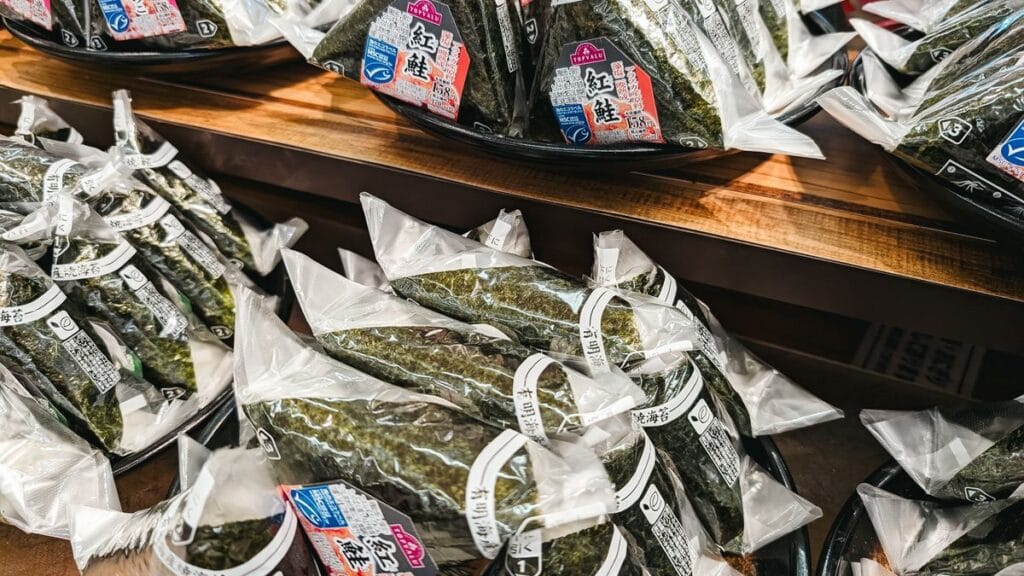
The universal safe list: sealed commercial sweets, chocolate, senbei, candy, tea, instant coffee, dried noodles (meat-free), condiments and sauces. This covers 90% of a typical haul.
The universal problem list: anything with meat (many instant ramen seasonings, some curry roux, jerky, butaman), fresh fruit, and dairy-fresh items.
Australia & New Zealand: the world’s strictest biosecurity — declare all food, every time; declared safe items pass, undeclared anything earns fines. USA: relaxed on packaged goods, firm on meat — that pork-extract ramen packet is technically contraband. EU/UK: meat and dairy prohibited from Japan; the rest is easy. Within Asia: generally easy, but Singapore cares about meat too. When in doubt: declare — the box costs nothing to tick.
Expiry Math
Check 賞味期限 (best-by) before buying multiples. Rules of thumb: tins and senbei = months; chocolate = weeks (and melts above ~28°C); nama anything (fresh mochi, cheese tarts, nama yatsuhashi) = days — buy on departure day per the omiyage etiquette guide. Gift boxes print dates on the outer sleeve — the staff will happily pull longer-dated stock if you ask (「日持ちするものはありますか」 works wonders in any accent).
The Suitcase Method
Boxes in the center, clothes as suspension, heavy tins at the wheel end. Bag-type snacks are pressurization-proof but crush-prone — top layer only. Chocolate rides carry-on in summer. Liquids (ponzu, sake) go checked, double-bagged, under 100 ml if carry-on. And leave 20% of the space empty on the way out — you already know why.
Keep exploring
🏨 Planning where to stay?
Every area guide on this site pairs with honest, station-by-station hotel picks. Start here: Hotel Guides by Station →