This article may contain affiliate links. If you book through them, we may earn a small commission at no extra cost to you.
On this page
Introduction: Two Islands, Two Entirely Different Japan Experiences
This question comes up constantly among visitors planning their first trip to Japan's southern islands, and the answer is not "one is better than the other" — it is "they are so different that your answer depends entirely on what you're looking for."
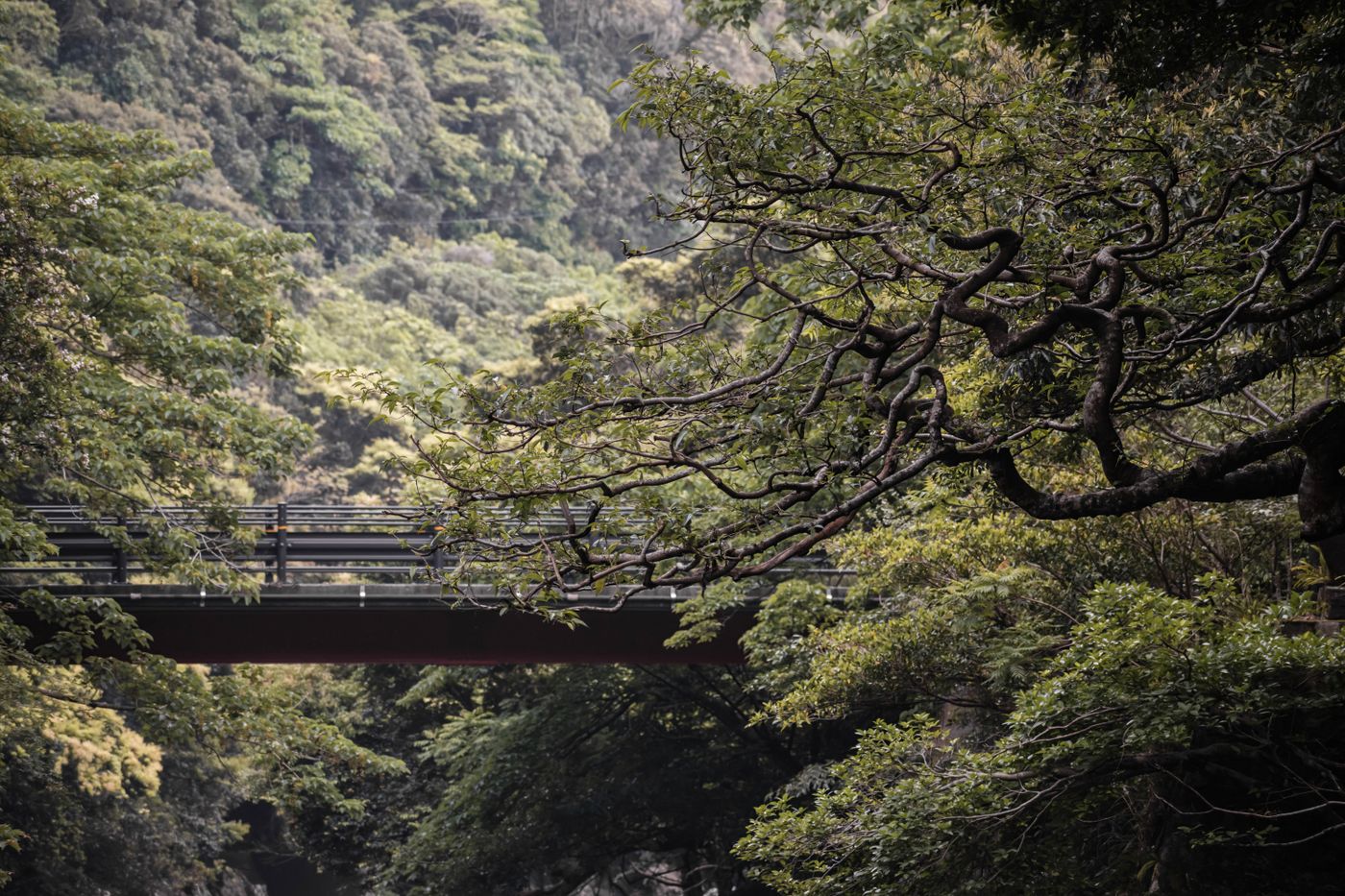
Yakushima (屋久島) is a mountainous, heavily forested island 130 km south of Kagoshima where the primary experience is walking through ancient cedar forests in the rain, climbing serious mountains, and engaging with one of Japan's most extraordinary natural environments. It receives 10,000+ mm of rain annually in its mountains. You will probably get wet. You will probably love it.
Okinawa (沖縄) is a subtropical island chain where the primary experiences are beaches, coral reef diving and snorkeling, Ryukyuan cultural heritage, and a food culture entirely unlike mainland Japan's. The beaches are genuinely excellent. The water is genuinely turquoise. The food is genuinely delicious. The historical depth (Ryukyu Kingdom, WWII battle history) is genuinely significant.
These are not competing options — they are different destinations for different visitors. This guide helps you identify which one you are.
Choose Yakushima If:
You prioritize nature over beach. Yakushima's nature — the ancient Jōmon Sugi, the primary beech and cedar forest, the waterfalls, the wildlife — is among the most extraordinary available in Japan. The Okinawa islands' nature is excellent but oriented toward marine environments. If terrestrial forest is what moves you, Yakushima wins.
You are a serious hiker. The Jōmon Sugi trek (22 km, 10 hours), the Miyanoura-dake summit route (the highest peak in all of Kyūshū at 1,936m), and the multi-day forest traverses require fitness and commitment. Okinawa's trekking options exist but are not at this level.
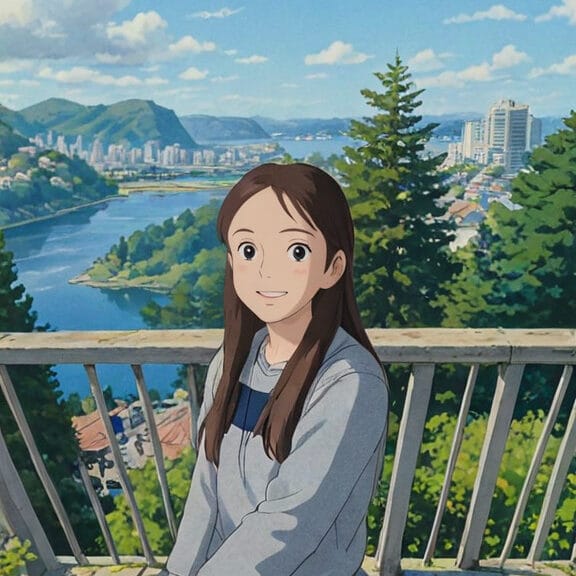
You want to see something genuinely unique. The Jōmon Sugi — a cedar estimated at anywhere from 2,000 to 7,000 years old — has no equivalent anywhere. Yakushima's primeval forest — the inspiration for Miyazaki's Mononoke-hime — has a quality of ancientness that is genuinely unreplicable.
You don't mind rain. Yakushima rains. Seriously and significantly. The rain is part of the forest's character, and visiting with genuine acceptance of wet conditions rather than hoping for clear weather produces the most authentic experience.
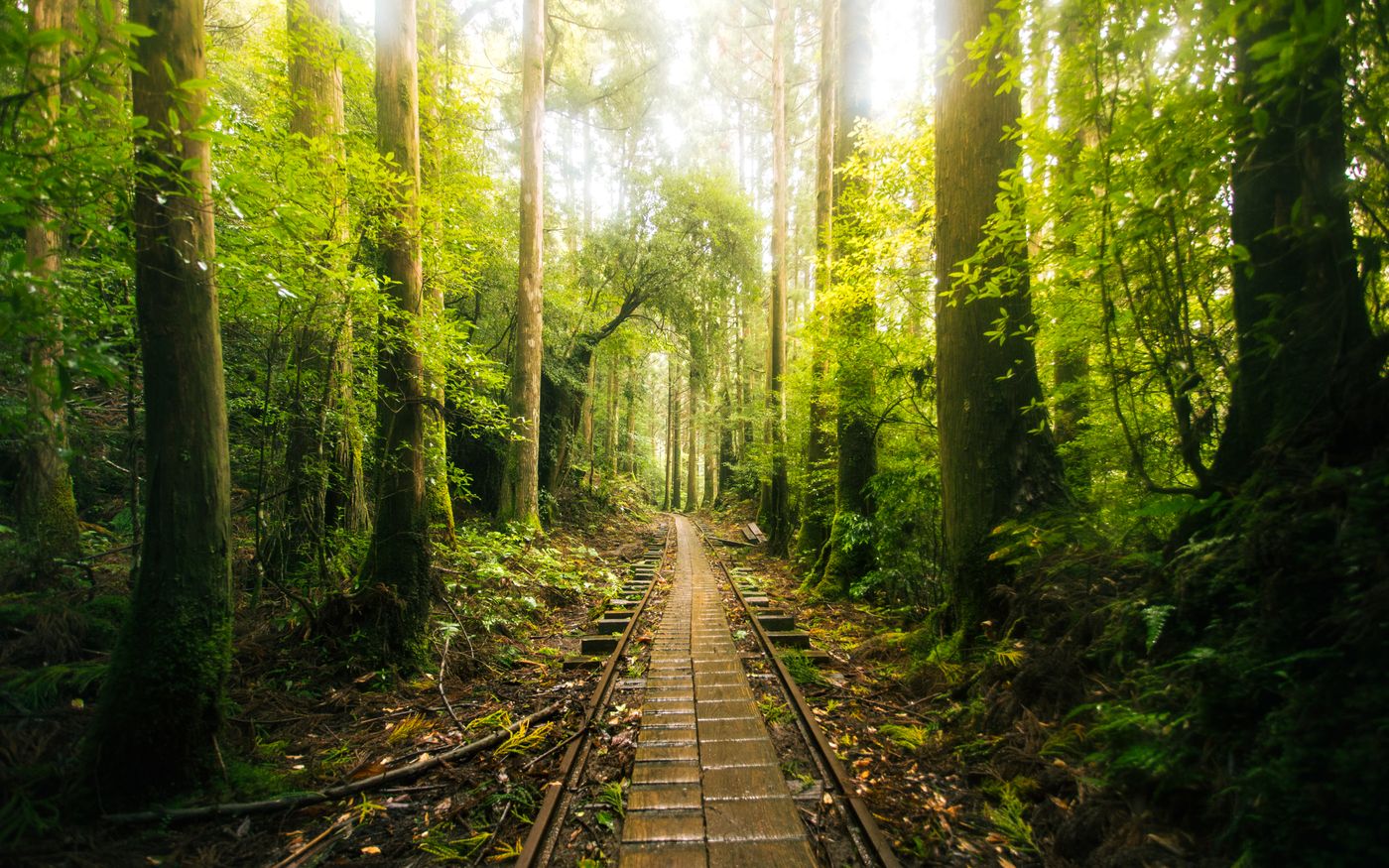
You prefer cool temperatures. Yakushima's mountains are 10–15°C cooler than the coast, and the mountain climate feels more like temperate mountain forest than subtropical island. In summer, when Okinawa is genuinely hot and humid, Yakushima's mountains are pleasantly cool.
Choose Okinawa If:
The beach is the primary motivation. Okinawa's beaches — particularly in the outer islands (Miyako, and the Yaeyamas: Ishigaki, Taketomi, Iriomote) — are genuinely among the best in Asia. The water is warm, clear, and the specific turquoise that tropical coral sand produces. If beach is the priority, Okinawa unambiguously wins.
You want to dive or snorkel. Okinawa's coral reefs, blue cave, manta rays, sea turtles, and hammerhead sharks constitute the finest marine diving in Japan. Yakushima has some coastal diving but it is not the focus.
Cultural depth is important. Okinawa's Ryukyuan cultural heritage — Shuri Castle, the sanshin music tradition, the Ryukyuan performing arts, the specific food culture, the WWII peace history — provides a layer of historical and cultural engagement unavailable in Yakushima, which is primarily a natural destination.
You're traveling with non-hikers. Yakushima is genuinely challenging — the main attractions require serious hiking. Okinawa is fully accessible to visitors who prefer not to exert themselves physically.
You want island-hopping. The Okinawan archipelago — Okinawa main island, Miyako, Ishigaki, Taketomi, Iriomote, Yonaguni — offers a week or more of distinct island experiences. Yakushima is a single island.
The Hybrid Option
- Several visitors combine both destinations in a single southern Japan trip — the routing is feasible:
- Option A: Tokyo → Kagoshima → Yakushima (3–4 nights) → fly Kagoshima → Naha → Yaeyama Islands (3–4 nights) → Tokyo
- Option B: Tokyo → Naha (2 nights) → Miyako (2 nights) → Ishigaki/Iriomote (2–3 nights) → fly to Kagoshima → Yakushima (2–3 nights) → Kagoshima → Tokyo
The hybrid gives the forest experience of Yakushima and the beach/reef experience of Okinawa in a single trip, at the cost of the time required for the additional transit.
Quick Comparison Table
| Yakushima | Okinawa | |
|---|---|---|
| Core experience | Ancient forest & mountain hiking | Beaches, reefs & Ryukyuan culture |
| Physical demand | High — real hiking | Low — fully relaxed options |
| Weather | Rainy, cool mountains | Hot, sunny, typhoon season Aug–Sep |
| Food scene | Simple, local | Distinctive and rich |
| Ideal stay | 3–4 nights | 4–7 nights (island-hopping) |
| Best for | Hikers, nature purists, Ghibli pilgrims | Beach lovers, divers, families |
Planning where to stay in Kyushu & Okinawa? Browse our honest hotel picks and area guides.
🏨 Planning where to stay?
Every area guide on this site pairs with honest, station-by-station hotel picks. Start here: Okinawa Hotel Guides →