This article may contain affiliate links. If you book through them, we may earn a small commission at no extra cost to you.
On this page
Introduction: The Solo Visitor's Best Friend
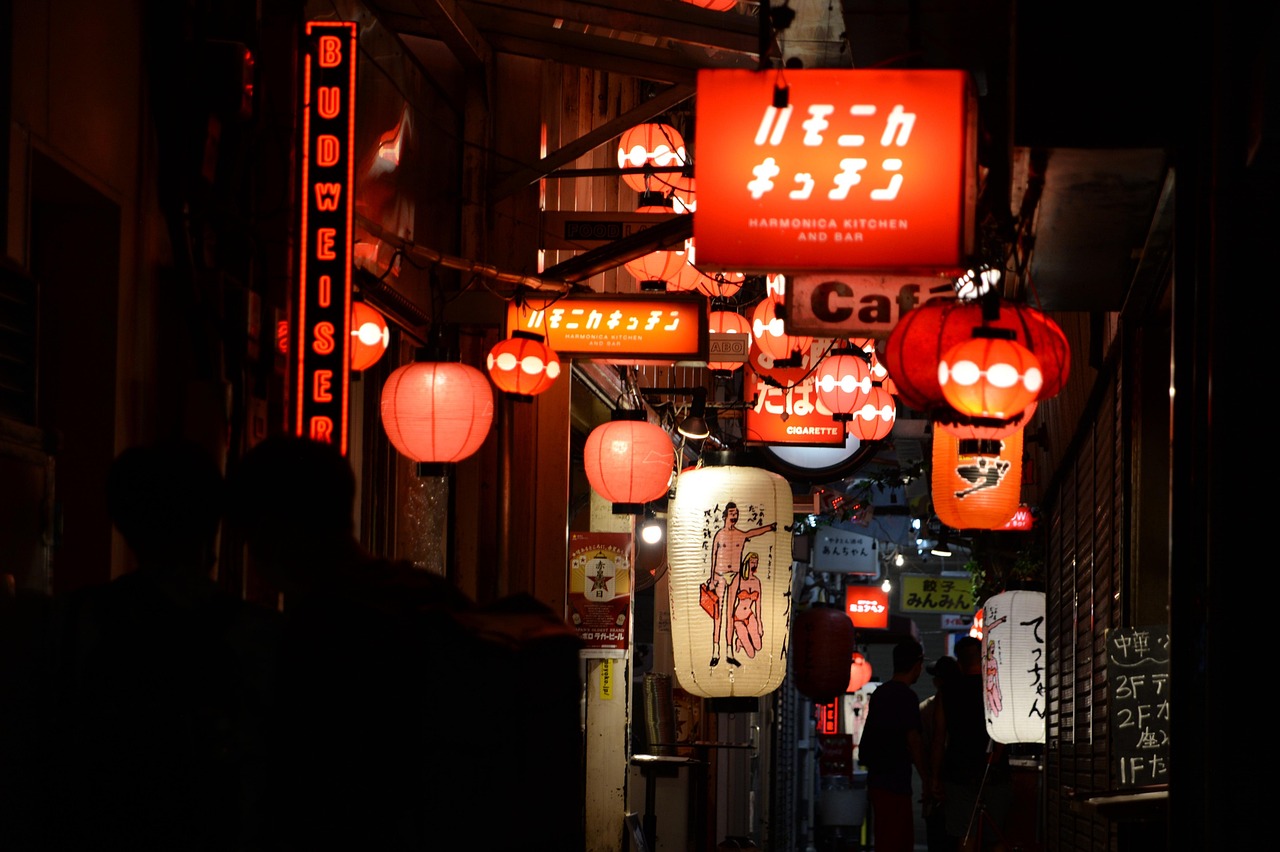
The izakaya (居酒屋) — Japan's informal drinking-and-eating establishment, conceptually between a pub and a restaurant — is one of the most socially rewarding places a solo visitor can spend an evening in Japan. The counter seating culture, the small-dish format that suits single diners, the proprietor or staff who are accustomed to managing conversation with customers, and the price point (a thorough evening of eating and drinking typically ¥2,000–¥4,000 per person) make the izakaya the most practical evening option in Japan for anyone dining alone.
Types of Izakaya
Chain izakaya (チェーン系居酒屋): Watami (和民), Torikizoku (鳥貴族), Kushikatsu Tanaka (串カツ田中) — large, efficient, affordable (typically ¥3,000 for a full evening), with picture menus that eliminate language barriers. Good for familiarizing with the izakaya format; less interesting culturally than independent establishments.
Independent izakaya (個人経営の居酒屋): The establishments that run on a proprietor's personal vision — a counter of 8–12 seats, the owner cooking and serving simultaneously, a menu that reflects seasonal ingredients and personal preference, and the social dynamic of a small space where everyone can see and occasionally talk to everyone else.
Tachinomi (立ち飲み / standing bars): The most casual version — no seating, patrons standing at a bar or counter, typically ¥500–¥1,000 per drink with small snacks. The format encourages spontaneous conversation in ways that seated dining does not.
The Entry Process
Entering
Sliding door or noren curtain: Many traditional izakaya are entered through a curtain (noren) hung at the entrance — stepping through is both a physical entrance and a cultural one.
"Irasshaimase!" (いらっしゃいませ): The call of welcome from the staff. Respond with "hitori desu (一人です / I'm alone)" — staff will seat you accordingly.
Counter seating vs. booth: For solo visitors, counter seating (カウンター) is almost always preferable — the interaction with staff and the view of the cooking area make the experience significantly more engaging than a solo booth.
The Menu
Picture menus: Most chain and many independent izakaya have picture menus — pointing is entirely acceptable and common.
Oshibori (おしぼり): A hot or cold wet towel for cleaning hands, provided immediately on seating. Use it on your hands, not your face.
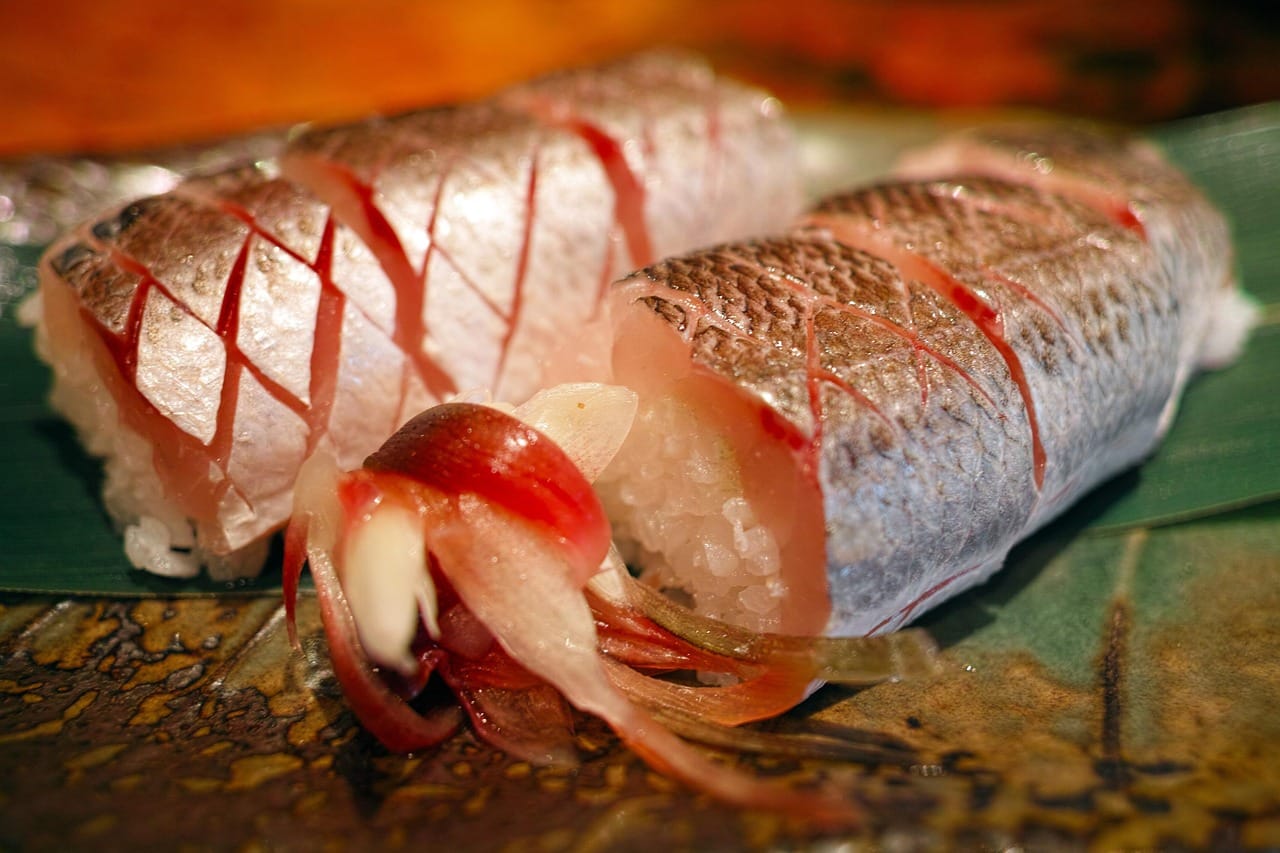
Otōshi (お通し): A small automatic appetizer that appears with the first drink, for which a charge (typically ¥300–¥500) is added to your bill. This is a Japanese custom — the charge is standard and not optional.
What to Order
Drinks
Draft beer (生ビール / nama biru): The standard first order — "nama hitotsu (生一つ / one draft)" is sufficient. Major Japanese beer brands (Sapporo, Kirin, Asahi, Suntory) are universally available.
Shochu (焼酎): Japan's distilled spirit — typically sweet potato (芋焼酎), barley (麦焼酎), or rice (米焼酎) — usually drunk mixed with water (水割り / mizuwari) or hot water (お湯割り / oyuwari). Approximately ¥400–¥600 per glass.
Highball (ハイボール): Whisky (typically Suntory Kakubin) mixed with soda water over ice — the most popular izakaya drink of the last decade, its refreshing clarity and relatively low alcohol suitable for the multiple-hour izakaya format.
Umeshu (梅酒 / plum wine): Sweet, low-alcohol, suitable for those who prefer non-bitter drinks. Available on the rocks, straight, or with soda.
Food
- Edamame (枝豆): Salted soybeans, the standard first food order. Present at virtually every izakaya; ¥300–¥400.
Yakitori (焼き鳥): Skewered, charcoal-grilled chicken in multiple cuts — the most reliable izakaya food. Negima (ねぎま) (chicken and green onion alternating), tsukune (つくね) (chicken meatball), and momo (もも) (thigh) are the most popular skewers.
Karaage (唐揚げ): Japanese fried chicken — typically marinated in soy sauce and ginger before frying, producing a specific flavor that bears little resemblance to Western fried chicken. ¥500–¥700 for a plate.
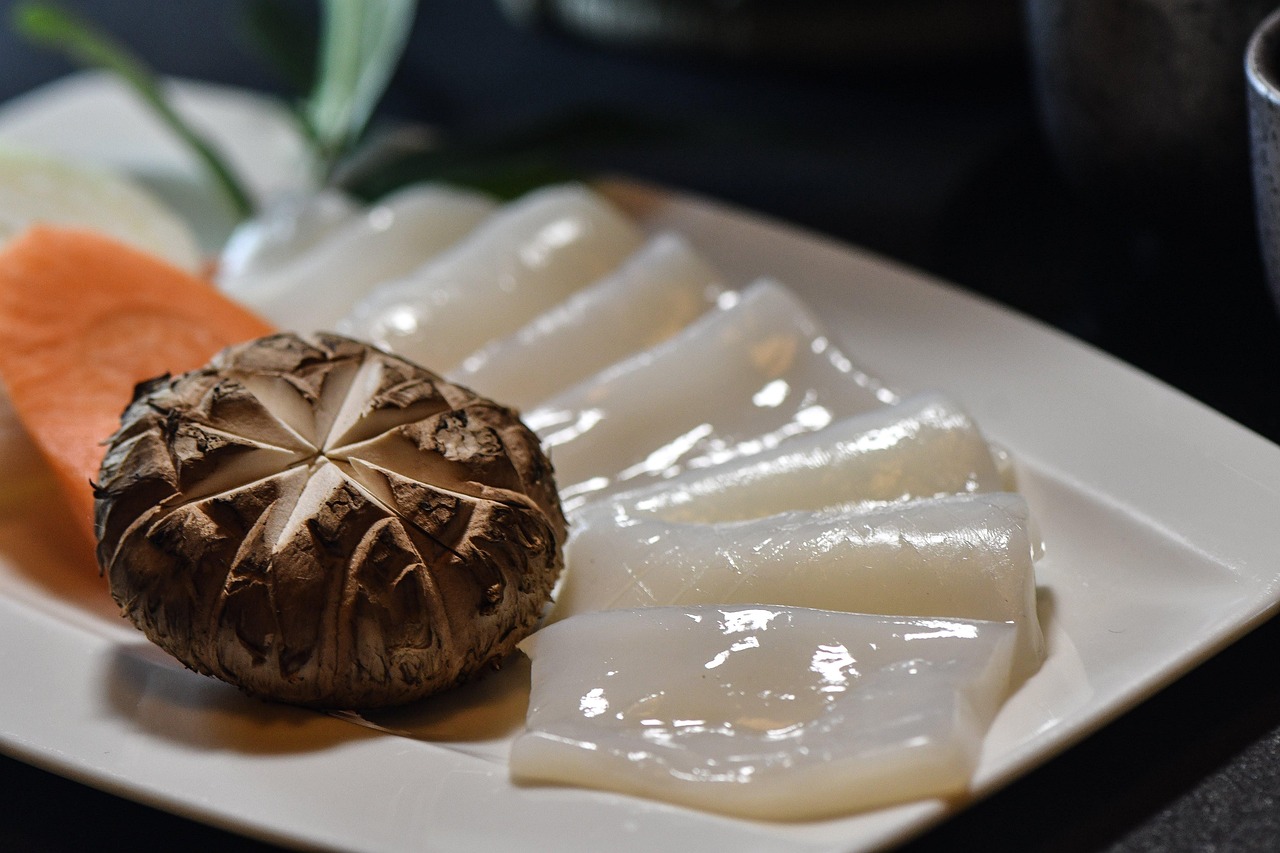
Sashimi (刺身): Available at seafood-focused izakaya — the quality of fish at a neighborhood seafood izakaya is often significantly better than at dedicated sushi restaurants at the same price point.
Communication as a Solo Visitor
The solo izakaya experience is actively social in the right establishments. The proprietor of a small counter izakaya is typically skilled at the specific hospitality of bringing a solo customer into the evening's social fabric — other customers may initiate conversation (particularly after a drink or two), and the proprietor may translate or facilitate.
Useful phrases:
- "Oishii desu ne (おいしいですね)" — "This is delicious, isn't it?"
- "Nani ga osusume desu ka (何がおすすめですか)" — "What do you recommend?"
- "Okaikei wo onegai shimasu (お会計をお願いします)" — "Check, please"
🏨 Planning where to stay?
Every area guide on this site pairs with honest, station-by-station hotel picks. Start here: Hotel Guides by Station →