This article may contain affiliate links. If you book through them, we may earn a small commission at no extra cost to you.
On this page
Introduction: The Country Built for the Solitary Traveler
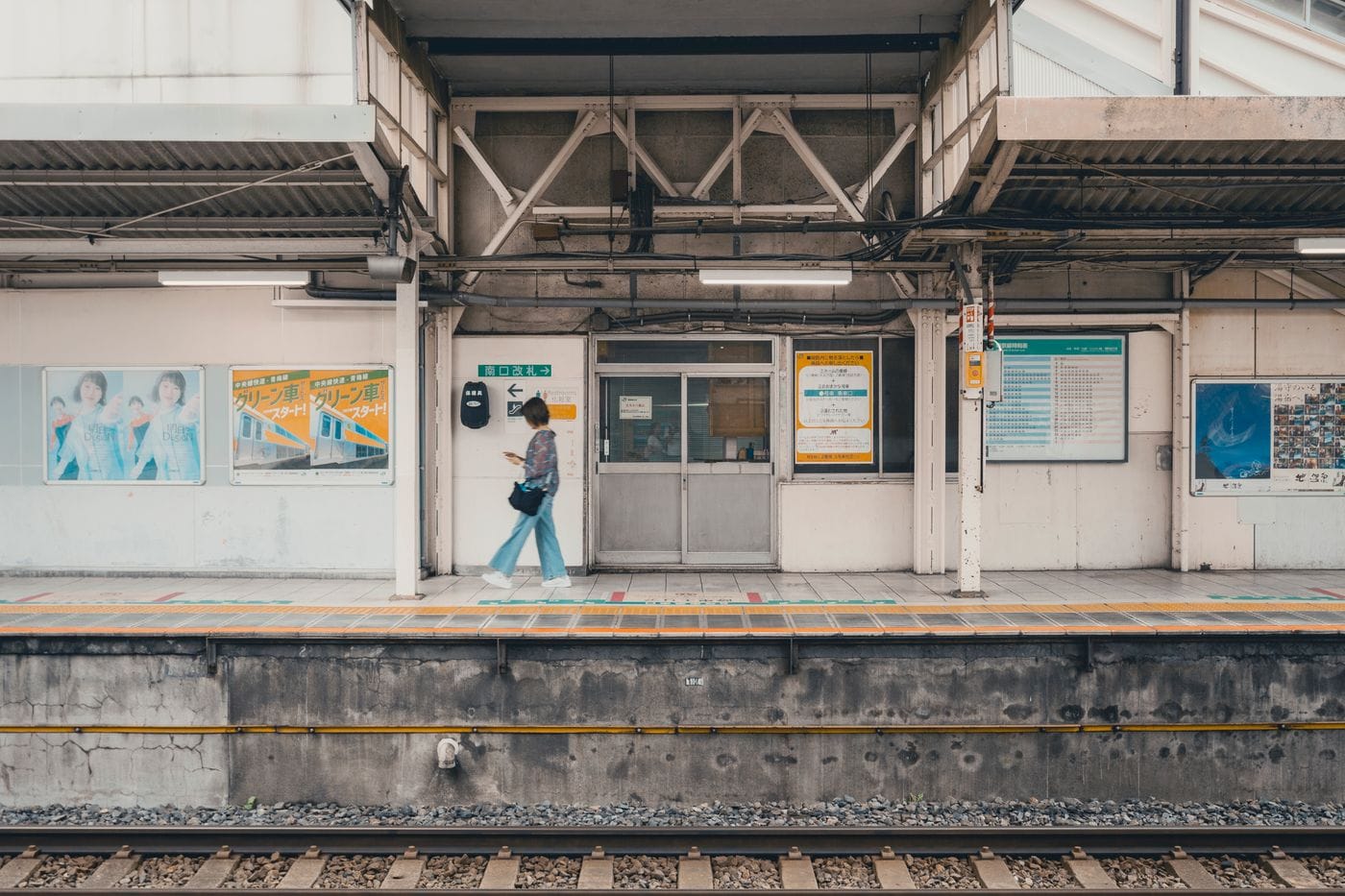
Japan is, by a significant margin, the finest country in the world for solo travel — a combination of structural factors (safety, the solo-dining infrastructure, the specific social architecture of izakayas and counter restaurants, the ease of navigation for a single person) and cultural factors (the Japanese social comfort with solitude as a legitimate mode of being) that makes traveling alone in Japan not merely possible but actively preferable to many group configurations.
Safety
Japan is statistically one of the safest countries in the world for solo travel, including specifically for women traveling alone — a category for which safety concerns are often most significant.
The crime rate: Japan's overall crime rate is extremely low by international standards — violent crime against strangers, which drives safety fear in many travel contexts, is sufficiently rare that many travelers note an absence of the baseline urban anxiety that characterizes solo travel in many other destinations.
Late-night travel: Women traveling alone on late-night trains, walking home from evening entertainment, or staying in hostels report a degree of safety and lack of predatory attention that significantly exceeds most international comparisons. The women-only train cars (女性専用車両 / josei senyō sharyō) available on major Tokyo lines during peak hours provide an additional option for those who prefer them.
General vigilance: The standard sensible practices of solo travel (awareness of surroundings, secure storage of valuables, not leaving drinks unattended in bars) apply in Japan as everywhere — the low crime rate does not eliminate all risk. Pickpocketing, while less common than in many tourist destinations, does occur in very crowded areas.
Loneliness: The Honest Assessment
Solo travel in Japan involves less incidental human connection than solo travel in many countries — the cultural norms around public social interaction (the train silence, the contained social spheres) mean that random conversation with strangers is significantly less common than in Southern Europe, South America, or Southeast Asia.
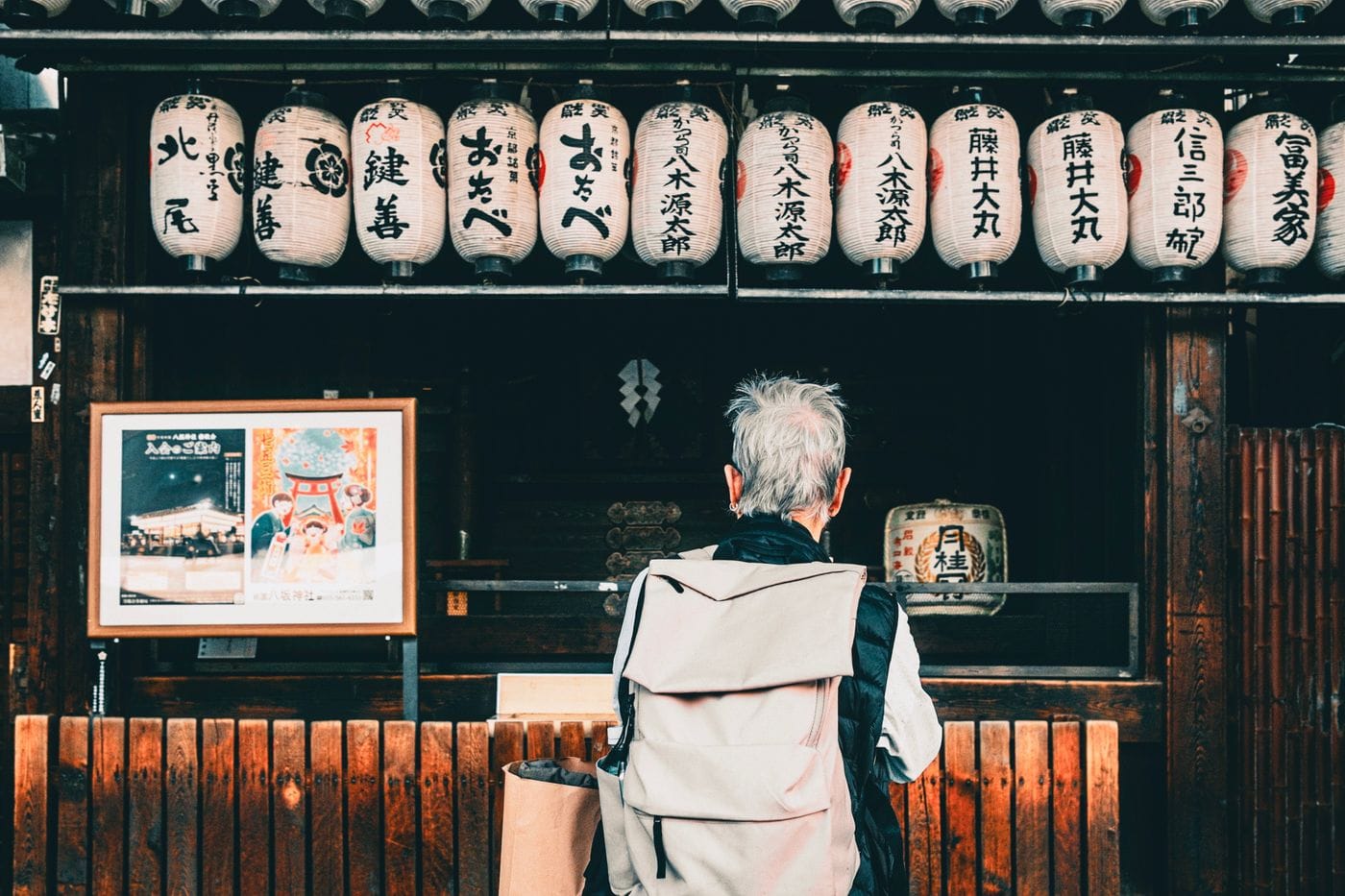
Where connection happens: The connection is available where the social architecture permits it — at izakaya counters, in hostel common areas, at small bars where the proprietor manages the social environment, in the specific institutions covered throughout this guide series that exist partly to create conditions for low-pressure interaction.
The solitude as feature: Japanese culture has a more positive relationship with solitude (一人 / hitori — "alone," which carries neutral to positive cultural valence rather than the pitying connotation it carries in many Western contexts) than most. Being alone in Japan is not a condition that requires explanation or social management — no one is asking why you are eating alone or where your friends are.
Solo Dining Infrastructure
Japan has developed a more sophisticated infrastructure for solo dining than any other country:
Counter restaurants: The majority of Japanese dining formats — sushi counters, ramen bars, izakayas, yakitori shops — are oriented around counter seating where a single person is neither unusual nor uncomfortable.
Single-person ramen: Several ramen shops have introduced complete privacy pods for single diners — individual partitioned spaces where the single diner faces a small window that opens for food delivery. The Ichiran ramen (一蘭ラーメン) chain pioneered this format, and its specific design has been studied internationally as an infrastructure innovation for solo dining.
Hitorikara: As covered in the karaoke article — solo karaoke is normalized and specifically accommodated with single-person booth pricing.
The Practical Advantages
A solo traveler in Japan can:
Change plans without negotiation
Move at their own pace through sites (relevant for photography, contemplative visiting)
Secure single seats at popular restaurants where groups wait longer
Access specific experiences (solo hut sleeping at Fuji, specific small counter restaurants with limited seating) more easily than groups
Have the specific concentration of attention that Japan's solo infrastructure rewards
🏨 Planning where to stay?
Every area guide on this site pairs with honest, station-by-station hotel picks. Start here: Hotel Guides by Station →