This article may contain affiliate links. If you book through them, we may earn a small commission at no extra cost to you.
On this page
Introduction: Two Mountain Ranges, Two Different Experiences
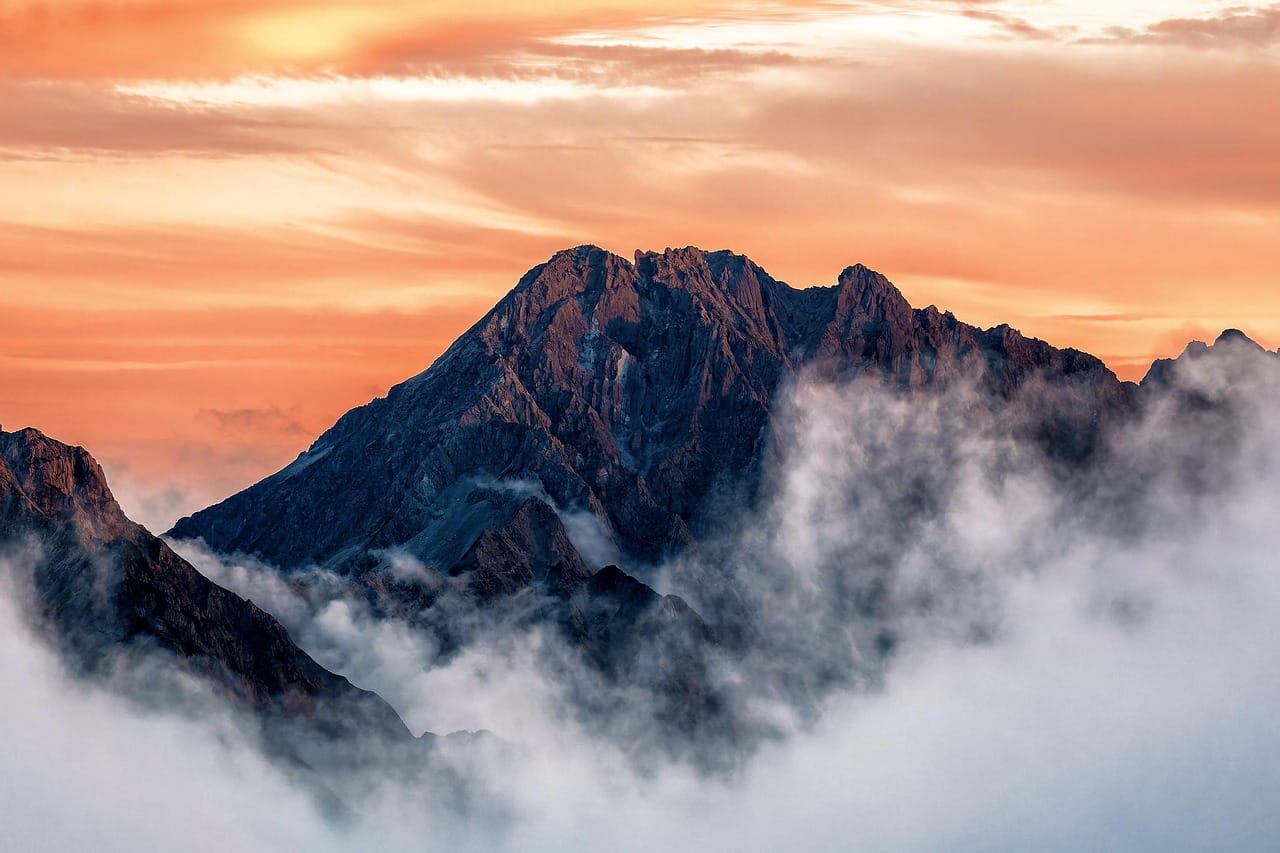
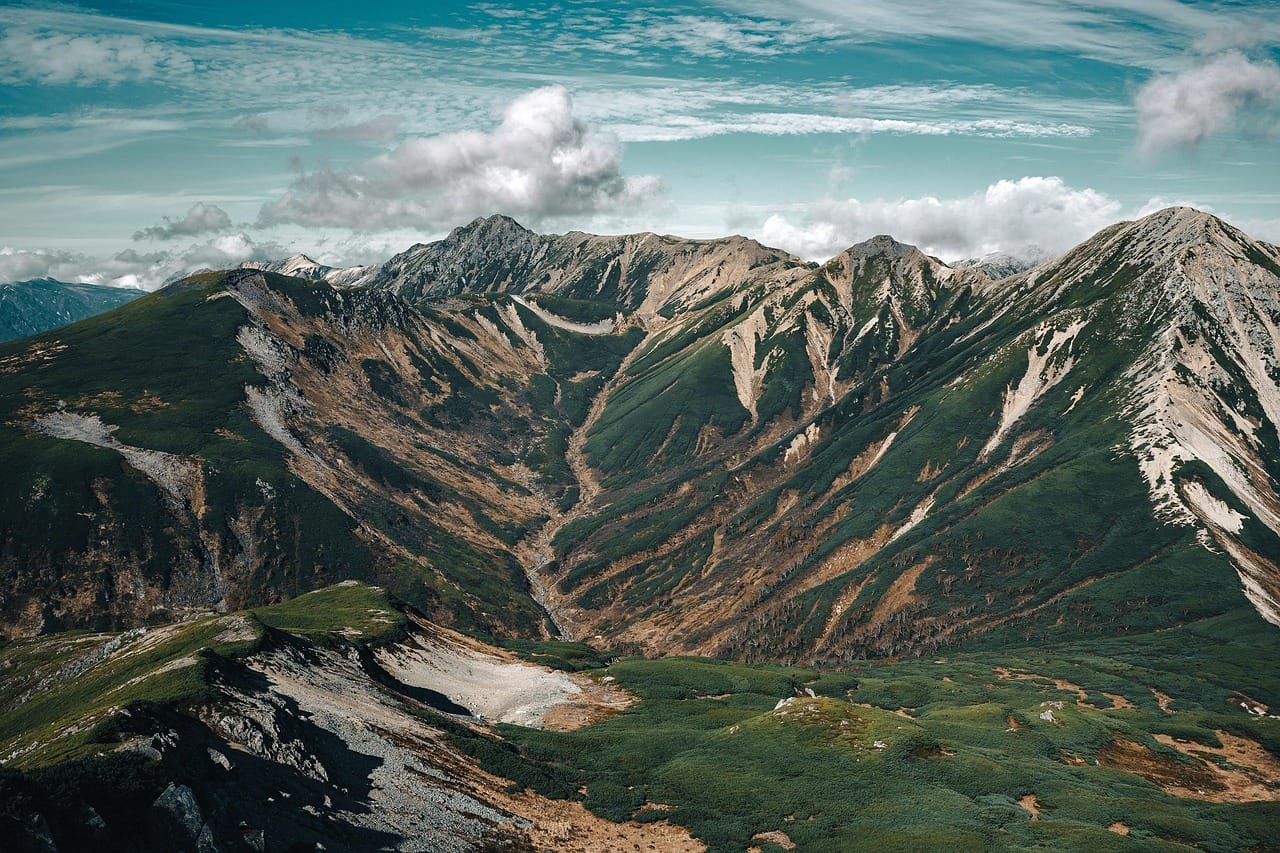
The term "Japan Alps" (日本アルプス) — coined by 19th-century British missionary and mountaineer Walter Weston, whose advocacy helped establish Japanese mountaineering as a modern recreational and cultural practice — actually refers to three distinct ranges: the Northern Alps (北アルプス / Hida Mountains), the Central Alps (中央アルプス / Kiso Mountains), and the Southern Alps (南アルプス / Akaishi Mountains), sometimes called the Minami Alps.
For visitors deciding where to focus limited time, the Northern and Southern Alps represent the two most significant options, with genuinely different characters that suit different types of visitors.
Northern Alps (北アルプス): The Famous, Developed Range
Character: Dramatic, technical, internationally known peaks (Yari, Hotaka, Tateyama) with extensive tourist and mountaineering infrastructure — cable cars, ropeways, well-developed mountain hut networks, and significant visitor volume.
Key access points:
Kamikochi (上高地): The Northern Alps' most famous valley — a flat-floored mountain valley at 1,500m, accessible by bus (private vehicles prohibited), providing spectacular mountain views without requiring climbing. The Kappabashi Bridge and the Azusa River valley walk are appropriate for any fitness level, while the surrounding peaks (Hotaka, Yake-dake) offer serious mountaineering objectives for the experienced.
Tateyama Kurobe Alpine Route: Covered in the dedicated article — the most accessible high-altitude experience in the Northern Alps, requiring no hiking fitness for the basic route.
Hakuba: Covered in the dedicated summer hiking article — accessible alpine flower meadows via gondola and chairlift access.
Best for: Visitors who want spectacular mountain scenery with manageable access logistics, strong infrastructure, and the option to engage with serious mountaineering if desired (the Northern Alps contain Japan's most technically significant peaks, including Yari and Hotaka).
Southern Alps (南アルプス / Minami Alps): The Wilder, Quieter Range
Character: Significantly less developed than the Northern Alps — fewer cable cars, fewer roads penetrating the range's interior, longer and more committing approaches, and substantially lower visitor volume even during peak season. The range contains Japan's second-highest peak (Mount Kitadake / 北岳, 3,193m) but receives a small fraction of the Northern Alps' visitor numbers.
The access challenge: Most Southern Alps trailheads require long bus rides on narrow mountain roads (some with seasonal operation only), and many significant peaks require multi-day approaches with mountain hut stays — there is no equivalent to Kamikochi's easy valley-floor access providing spectacular scenery without serious hiking commitment.
Mount Kitadake (北岳, 3,193m): Japan's second-highest peak, accessible via bus to the Hirogawara trailhead followed by a substantial 1.5–2 day ascent with a mountain hut overnight — significantly more committing than equivalent Northern Alps objectives.
Senjogatake (仙丈ヶ岳, 3,033m): Known as the "Queen of the Southern Alps" for its graceful profile and the cirque (glacial bowl) on its eastern face — a slightly more accessible Southern Alps objective than Kitadake, still requiring genuine mountain fitness.
Best for: Experienced hikers seeking genuine solitude, wilderness character, and a Japan Alps experience substantially less crowded than the Northern Alps' major destinations — appropriate for visitors who have already experienced Kamikochi or similar Northern Alps access points and want a deeper, more committing mountain experience.
The Direct Comparison
🏨 Planning where to stay?
Every area guide on this site pairs with honest, station-by-station hotel picks. Start here: Hotel Guides by Station →