This article may contain affiliate links. If you book through them, we may earn a small commission at no extra cost to you.
On this page
Introduction: The Region That Shouldn't Have Great Ramen (But Does)
The Kansai region — centered on Kyoto and Osaka — is primarily known in Japanese food culture for dashi-forward, seafood-influenced, light-flavored cooking that stands in deliberate contrast to the richer, heavier cooking of Tokyo and the industrial pork-bone broths of Fukuoka. It is not, in popular food mythology, ramen country.
This is wrong. Both Kyoto and Osaka have developed distinctive ramen styles that are among the most interesting in Japan — and the contrast between the two cities' approaches, despite their geographic proximity, is one of Japanese ramen culture's most illuminating examples of how local taste produces genuinely different outcomes from the same basic format.
Kyoto Ramen: The Rich Surprise
The Kyoto paradox: The city most associated with refined, delicate, seasonal Japanese cuisine produces ramen of unusual richness and assertiveness.
Style character: Thick, cloudy tonkotsu-shoyu broth — a combination of pork bone richness and dark soy sauce seasoning that produces a broth more intense than most Tokyo shoyu and heavier than most Osaka versions. A defining characteristic is the layer of pork back fat (背脂 / seabura) floating on the surface — rendered back fat that melts into the broth as you eat, progressively increasing richness.
The noodle: Straight, medium-thickness, specifically designed to carry the heavy broth without being overwhelmed.
The origin: The Kyoto style developed in the postwar period, influenced by the large student population of a university city, who required calorie-dense, affordable food. The richness reflects practical requirements rather than aesthetic refinement.
Key shops:
Masutani (ますたに): The reference standard — operating in the Yoshida-jinja area since 1947, Masutani's broth is considered the purest expression of Kyoto-style tonkotsu-shoyu. The seabura is applied in a quantity that changes the broth's character completely by the final spoonfuls.
Tenkaippin (天下一品): The most famous Kyoto ramen chain, whose "kotteri (こってり / rich)" option is so viscous that it has been the subject of genuine culinary discussion about whether it qualifies as broth or sauce. Available throughout Japan; the original Hyakumanben location in Kyoto is the pilgrimage destination.
Osaka Ramen: The Tachikui Style
The Osaka character: Where Kyoto leans heavy, Osaka ramen culture has developed in multiple directions simultaneously — the city's diversity of restaurant culture (its primary culinary identity is street food and casual dining rather than any single tradition) means Osaka has no single defining ramen style but rather a concentration of excellent shops in diverse styles.
The specific Osaka contribution: The tachikui (立ち食いラーメン / standing ramen) culture — cheap, fast, consumed standing at a counter under the tracks of the Osaka Loop Line — is the most specifically Osaka ramen experience. These standing shops, typically charging ¥500 (approx. $3)–¥700, (approx. $5) serve tonkotsu, shoyu, and the specific "Osaka ramen" (sometimes called Namba ramen) style that uses a lighter pork broth seasoned with soy and serves the noodles with finely sliced pork belly.
Key Osaka areas:
Under the Umeda tracks: The most concentrated Osaka standing ramen environment — multiple shops operating in the covered space beneath the elevated railway lines at Osaka Station.
- Namba area: More tourist-oriented but several genuine local shops among the tourist infrastructure.
Key shops:
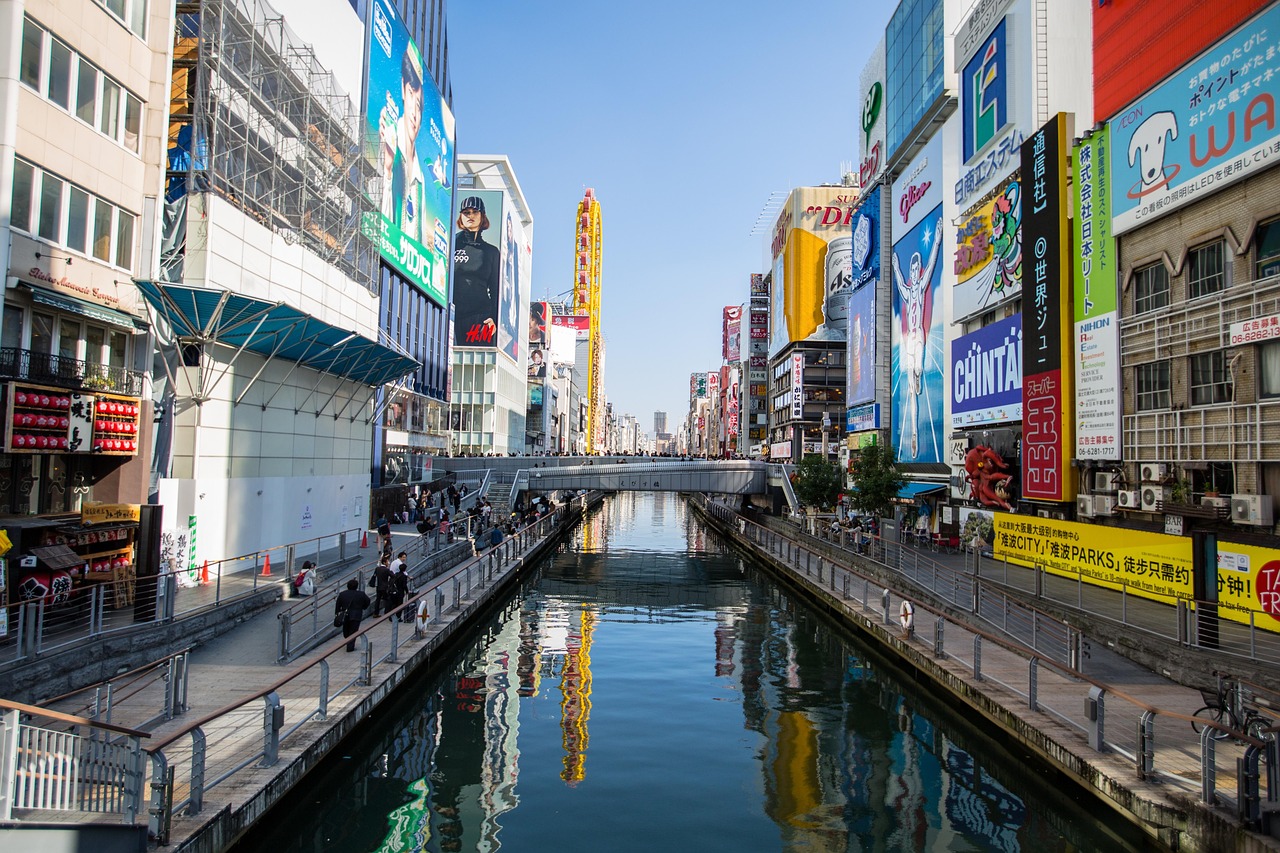
Kinryu Ramen (金龍ラーメン): The most recognizable Osaka ramen shop — a literal dragon statue marks the entrance on Dotonbori, and the 24-hour operation means the queue exists at any hour. The ramen itself is basic tonkotsu — the experience is as much about Dotonbori at 3:00 AM as about the bowl.
Jinrui Mina Menrui (人類みな麺類): The Osaka answer to serious ramen — an elegant soy-sauce bowl from one of the city's most-queued modern shops, with a devoted following among ramen enthusiasts.
The Comparison
Planning where to stay in Kyoto? Browse our honest hotel picks and area guides.
🏨 Planning where to stay?
Every area guide on this site pairs with honest, station-by-station hotel picks. Start here: Kyoto Hotel Guides →