This article may contain affiliate links. If you book through them, we may earn a small commission at no extra cost to you.
On this page
Introduction: The System Most Visitors Never Notice
Japan has 35 national parks (国立公園) — the newest, Hidaka-sanmyaku Erimo Tokachi, added in 2024 — covering approximately 5.8% of the country's total land area — a system established beginning in 1934 that protects landscapes ranging from subarctic Hokkaido wilderness to subtropical coral reef in Okinawa. Unlike the United States National Park Service model, Japanese national parks typically include private land, working agricultural areas, and even towns within their boundaries — the designation protects landscape character and ecological function rather than establishing the kind of exclusive wilderness preservation Americans associate with the term.
This structural difference means Japanese national parks are, in practice, more accessible and more integrated with daily Japanese life than their international equivalents — most contain operating onsen towns, agricultural villages, and transportation infrastructure within their boundaries, alongside genuinely protected wilderness core zones.
Understanding the System
National Parks (国立公園): 35 parks, directly managed by the Ministry of the Environment, representing Japan's most significant landscapes.
Quasi-National Parks (国定公園): 58 additional parks, managed jointly by national and prefectural authorities, representing landscapes of high but slightly lesser national significance.
Prefectural Natural Parks (都道府県立自然公園): Over 300 additional protected areas managed entirely at the prefectural level.
The Major National Parks by Region
Hokkaido
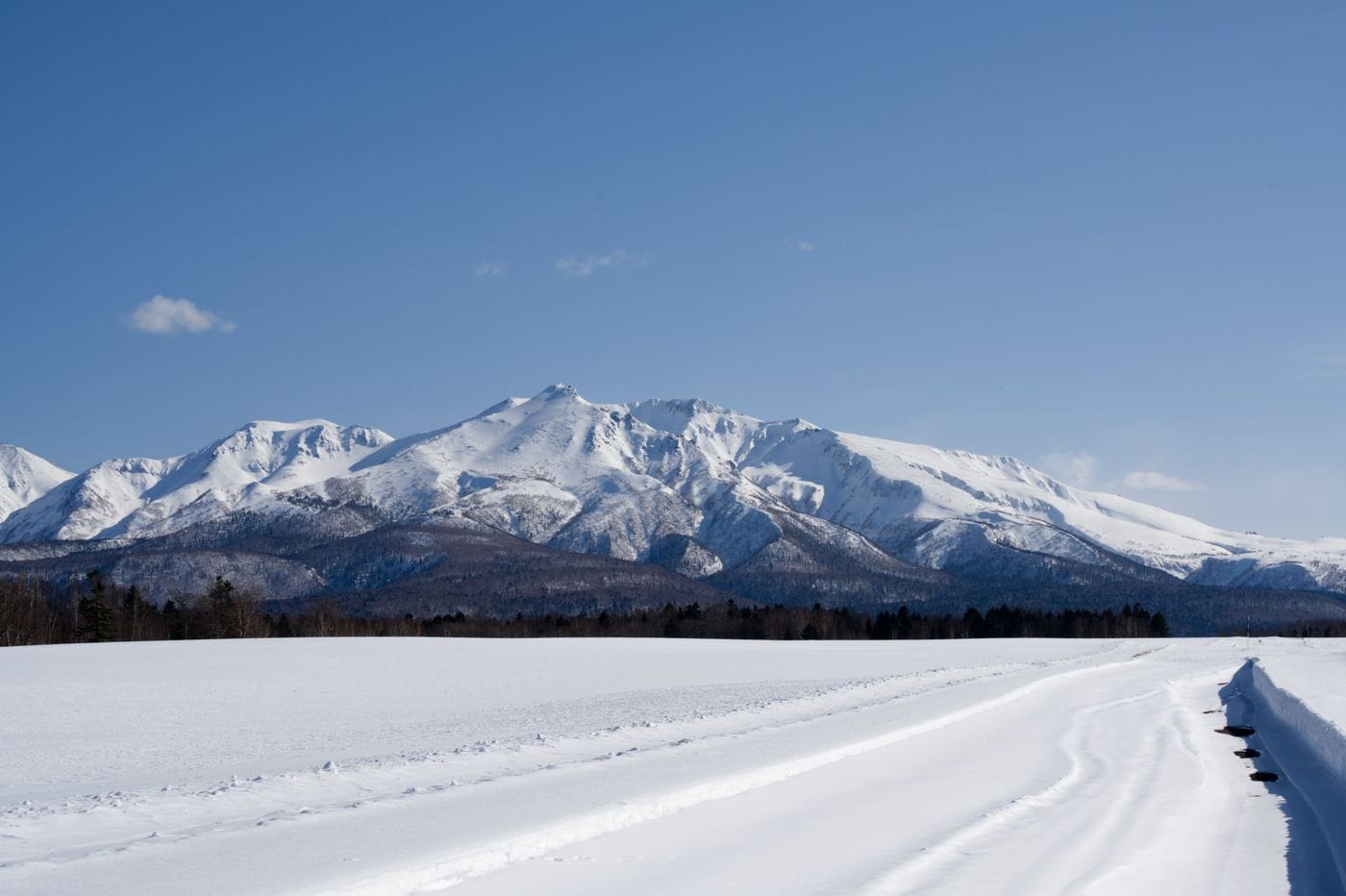
- Daisetsuzan National Park — covered in the dedicated article — Japan's largest national park, the "Roof of Hokkaido."
Shiretoko National Park — covered in the dedicated article — UNESCO World Heritage wilderness with the country's most significant brown bear population.
Akan-Mashu National Park — containing Lake Mashu (covered in the Hokkaido summer article), Lake Akan, and significant volcanic and Ainu cultural landscape.
Shikotsu-Toya National Park — containing Lake Toya and Showa Shinzan (covered in the dedicated article), plus Lake Shikotsu, another major caldera lake.
Tohoku
- Towada-Hachimantai National Park — covered in the dedicated article.
Bandai-Asahi National Park — covering the Bandai volcanic area of Fukushima and the Dewa Sanzan sacred mountains of Yamagata, including significant Shugendo pilgrimage sites.
Kanto
Nikko National Park — covered extensively elsewhere; see also the dedicated "Nikko beyond the temples" article in this batch.
Fuji-Hakone-Izu National Park — Japan's most visited national park by total visitor numbers, encompassing Mount Fuji, the Fuji Five Lakes, Hakone, and the entire Izu Peninsula.
- Oze National Park — covered in the dedicated article.
Chichibu-Tama-Kai National Park — covering the mountains of western Tokyo (including Mount Mitake and Okutama, covered elsewhere) extending into Yamanashi and Saitama.
Chubu
Chubu-Sangaku National Park — the "Japan Alps" national park, covering Hakuba, Kamikochi, Tateyama, and the Northern Alps' most significant peaks.
- Minami Alps National Park — covered in the dedicated comparison article.
- Hakusan National Park — centered on the sacred volcanic peak of Hakusan in Ishikawa/Gifu, one of Japan's "Three Holy Mountains."
Kansai
Yoshino-Kumano National Park — covering the sacred mountains and pilgrimage routes of the Kii Peninsula, including Yoshino's cherry blossom mountain and the Kumano Kodo trail network.
Setonaikai National Park (Seto Inland Sea) — one of Japan's first national parks (designated 1934, together with Unzen and Kirishima), covering the islands and coastline of the Seto Inland Sea, including Miyajima, the Shimanami Kaido area, and much of the Setouchi art island region.
Kyushu
- Aso-Kuju National Park — covered in the dedicated article.
- Unzen-Amakusa National Park — covering the volcanic Mount Unzen near Nagasaki and the Amakusa island chain.
Kirishima-Kinkowan National Park — covering the volcanic Kirishima range and Sakurajima/Kinko Bay area near Kagoshima.
Okinawa
Yambaru National Park — covering the northern Okinawa main island's subtropical forest, part of the same UNESCO designation as Iriomote and Amami.
- Iriomote-Ishigaki National Park — covered extensively in the dedicated Iriomote and Ishigaki articles.
- Kerama Shoto National Park — the Kerama Islands, covered in the Okinawa diving article.
How to Plan a National Park Visit
Access reality: Unlike many international park systems, most Japanese national parks have no single gateway or visitor center system — access points vary significantly within a single park, and planning requires identifying the specific sub-area relevant to your interests (a specific trailhead, onsen town, or viewpoint) rather than "the park" as a unified destination.
Combining with existing itinerary: Most of Japan's national parks are already covered through this guide's regional articles — Nikko, Hakone/Fuji, the various Hokkaido parks, Aso, and the Kii Peninsula sacred mountains are all addressed in dedicated destination pieces.
🏨 Planning where to stay?
Every area guide on this site pairs with honest, station-by-station hotel picks. Start here: Hotel Guides by Station →