This article may contain affiliate links. If you book through them, we may earn a small commission at no extra cost to you.
On this page
Introduction: The Season Travel Guides Underrate
Japan's summer — June through August, with the rainy season (梅雨 / tsuyu) typically running early June to mid-July, followed by intense heat and humidity through August — has a reputation problem. Honshu's summer heat (regularly exceeding 33°C with humidity above 70%) is genuinely uncomfortable, and most travel guides treat summer as the season to avoid.
This advice deserves qualification. Japan's summer is the season of its most distinctive festivals (described in the dedicated fireworks and Obon articles), its mountain and northern escapes are at their finest (Hokkaido, the Japan Alps), and the specific cultural intensity of summer — the festival energy, the seasonal food, the particular quality of evening relief from daytime heat — represents an authentic dimension of Japanese life that visitors who avoid summer entirely miss completely.
Understanding the Summer Calendar
Tsuyu (梅雨 / rainy season): Early June–mid-July
The rainy season is not constant rain but rather a period of increased humidity and intermittent heavy rainfall, interspersed with clear days. Okinawa's tsuyu begins and ends earlier (May–June); Hokkaido has essentially no tsuyu, making it Japan's most reliable summer travel destination.
Doyo (土用) / Peak summer: Late July–August
Following the rainy season, Honshu and Kyushu enter the period of most intense heat and humidity — temperatures regularly exceeding 35°C in major cities, with humidity that makes the perceived temperature (体感温度) feel considerably higher.
Where to Go in Summer
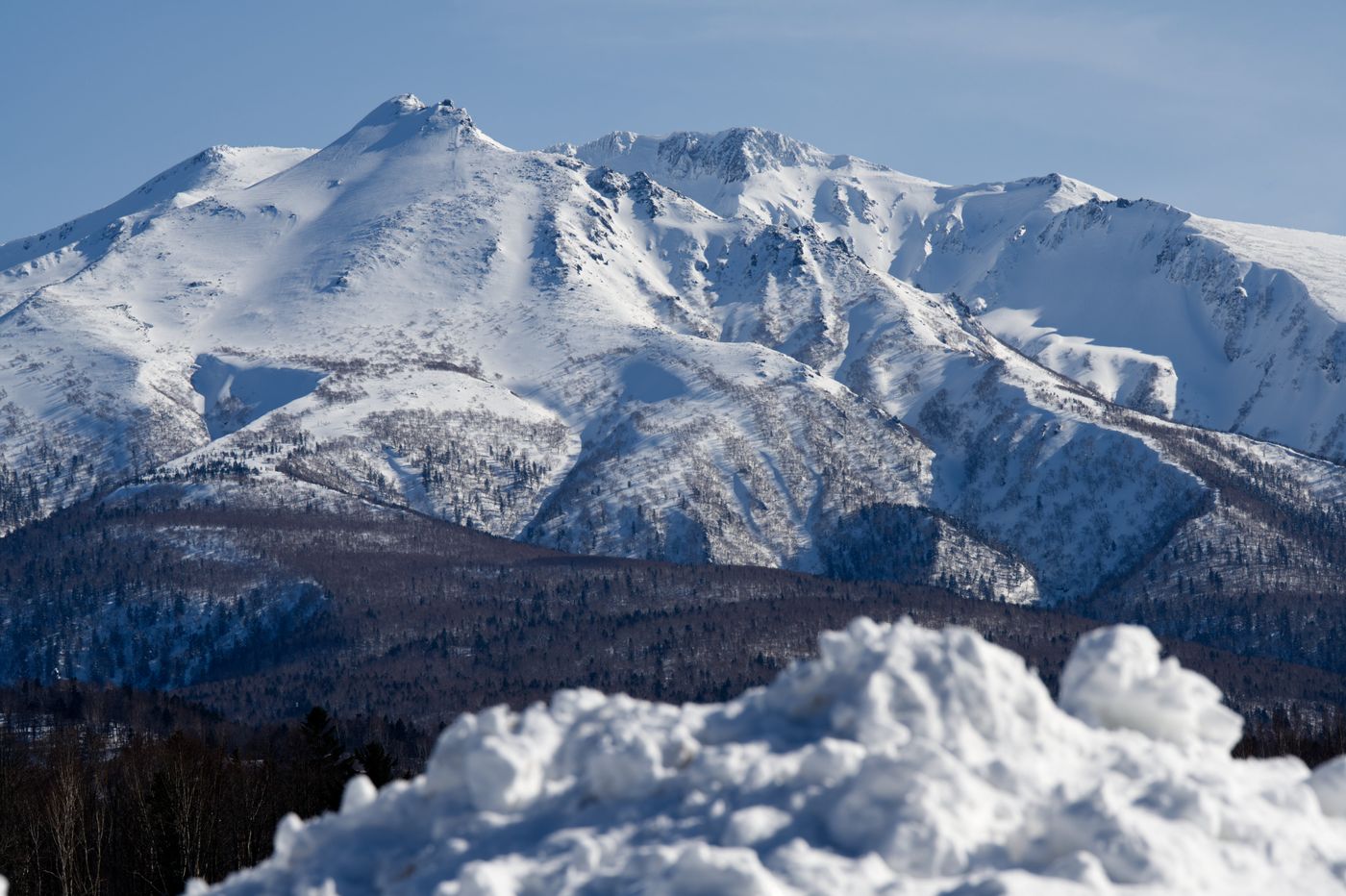
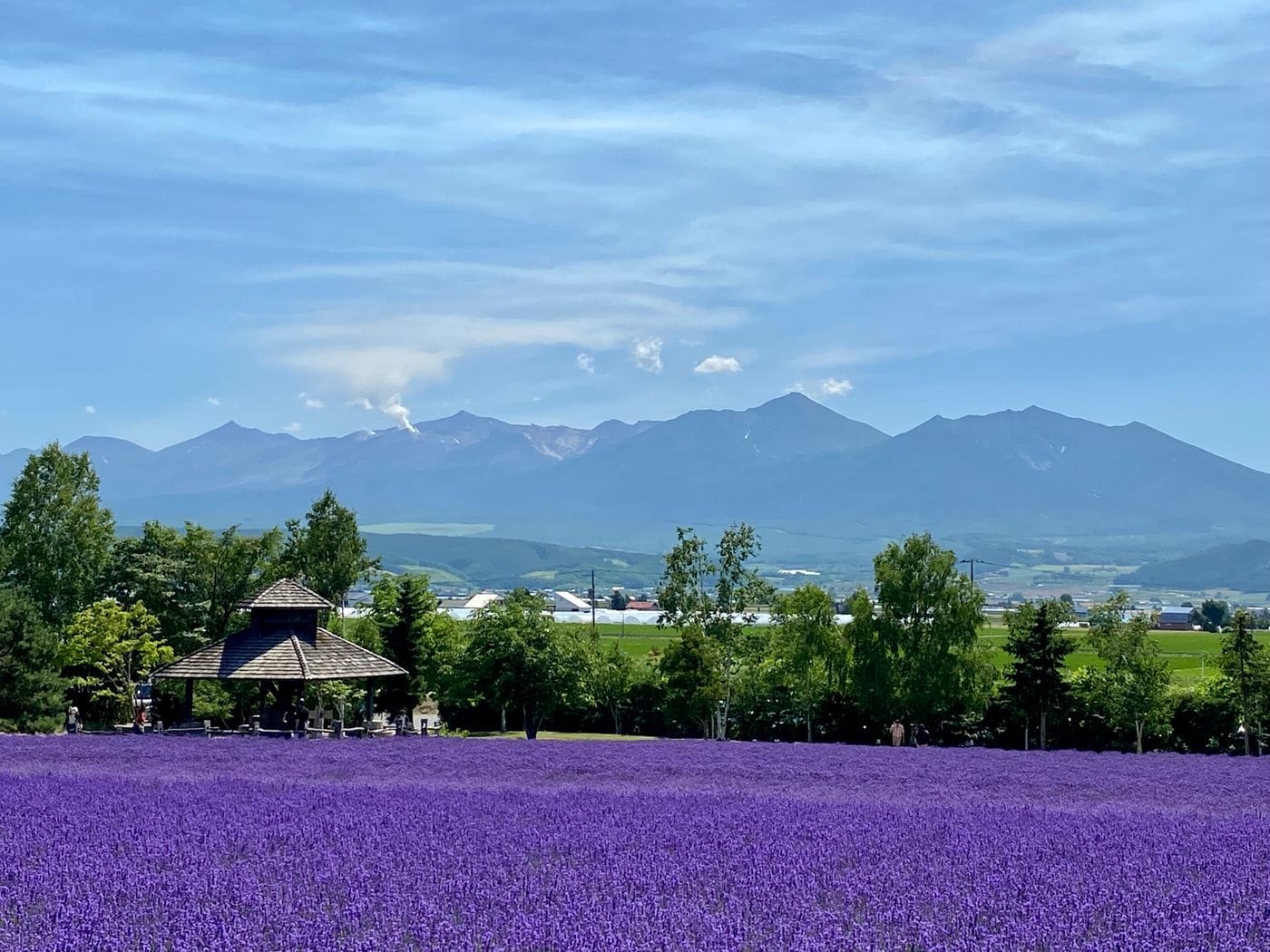
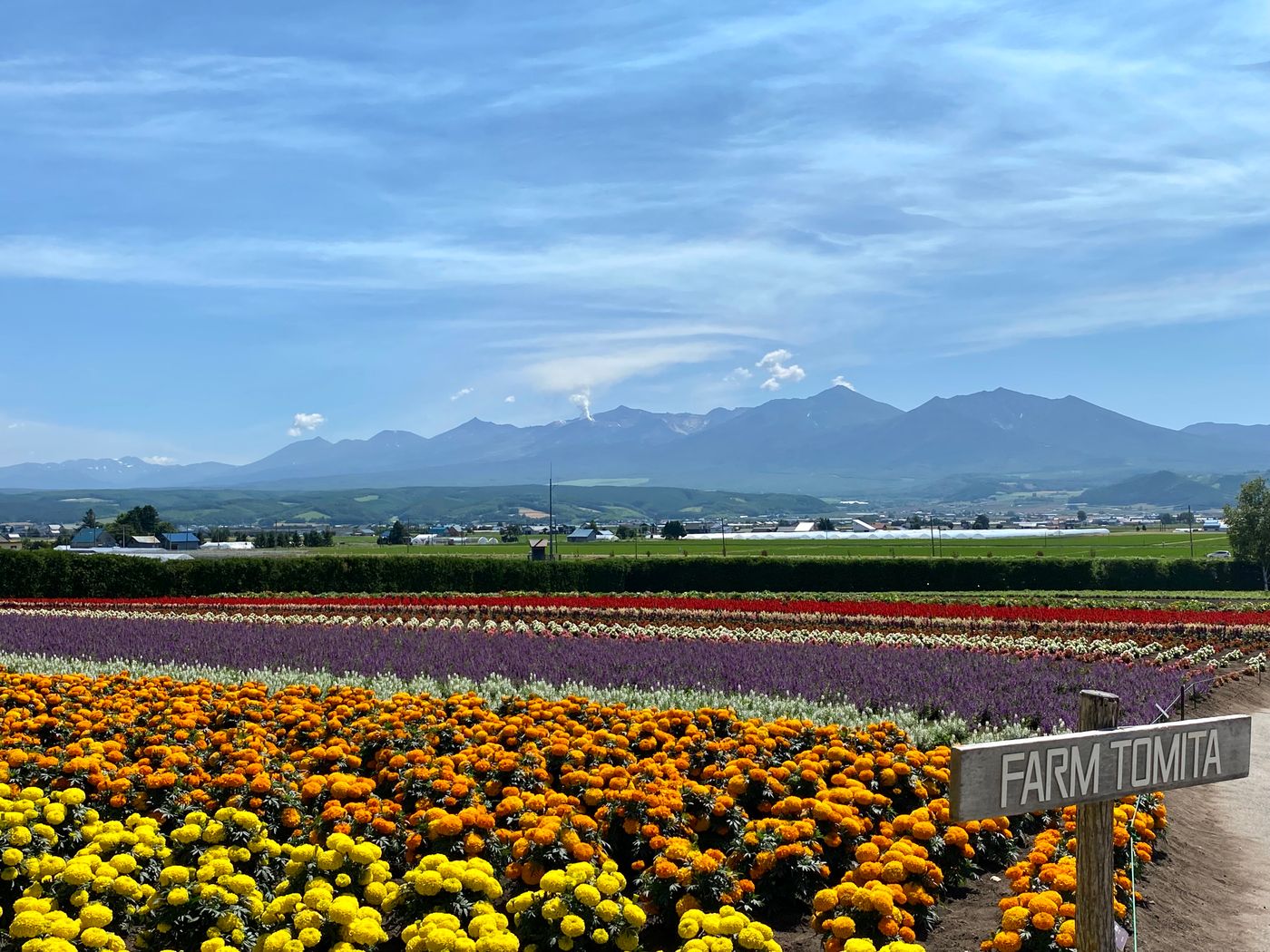
Hokkaido (see dedicated article): The unambiguous summer destination — cool temperatures, low humidity, lavender season in Furano, hiking in Daisetsuzan, none of Honshu's oppressive heat.
Japan Alps (Hakuba, Kamikochi): Mountain elevation provides natural relief — see the dedicated Hakuba summer hiking article. Daytime temperatures at altitude rarely exceed 25°C even in August.
Nikko's upper elevations: Lake Chūzenji and Senjogahara provide accessible relief from Tokyo within a 2-hour journey.
Tohoku's mountain areas: Towada-Hachimantai and similar high-elevation destinations offer significant relief from lowland heat.
What to Do in the Cities Despite the Heat
Embrace the indoor-outdoor rhythm: The traditional Japanese summer strategy is alternating between air-conditioned indoor spaces (museums, depachika, shopping centers, the extensive underground passages of major stations) and brief outdoor excursions, rather than attempting sustained outdoor activity through the hottest hours (typically noon–4:00 PM).
Evening activity: Japanese cities come alive after 5:00 PM in summer, when the temperature drops slightly and the evening festival, beer garden, and outdoor dining culture takes over. Beer gardens on department store rooftops (a specifically Japanese summer institution) provide outdoor evening drinking in a managed environment with overhead fans and shade structures.
Kawadoko river dining: As described in the Kibune article — eating on platforms built directly over rivers, with the water's cooling effect providing natural air conditioning, is Japan's most elegant summer dining solution.
Cooling foods: Japanese summer food culture has developed specific cooling dishes — hiyashi chuka (冷やし中華 / cold ramen), somen (そうめん / thin cold noodles, often eaten by catching them as they flow down a bamboo chute — nagashi sōmen / 流しそうめん), and kakigori (かき氷 / shaved ice) — that are genuinely refreshing and represent some of the most enjoyable seasonal eating in the Japanese calendar.
The Summer Festival Calendar
Summer is Japan's festival season — covered in the dedicated fireworks and Obon articles, plus the Gion Matsuri (Kyoto, July), Tenjin Matsuri (Osaka, July), Nebuta Matsuri (Aomori, August), and Awa Odori (Tokushima, August) covered in their respective regional articles.
Practical Heat Management
Hydration: Carry water constantly; convenience store and vending machine access makes this trivially easy throughout Japan.
Cooling products: Japanese convenience stores and pharmacies sell cooling sheets (冷却シート), portable fans (携帯扇風機), and cooling sprays that are genuinely effective and inexpensive — adopting these local solutions significantly improves comfort.
Sun protection: Japanese summer sun is intense — UV protection (widely available and excellent in Japanese pharmacy products) is essential.
🏨 Planning where to stay?
Every area guide on this site pairs with honest, station-by-station hotel picks. Start here: Hotel Guides by Station →