This article may contain affiliate links. If you book through them, we may earn a small commission at no extra cost to you.
On this page
Introduction: An Honest Assessment
Japan has made significant accessibility improvements over the last three decades — the 2020 Tokyo Olympics/Paralympics accelerated investment in accessible infrastructure — but traveling Japan with mobility disabilities remains genuinely more challenging than in some peer countries. An honest guide acknowledges both what works well and what remains difficult, allowing travelers to plan realistic itineraries.
What Works Well
Train Stations (Major Urban Stations)
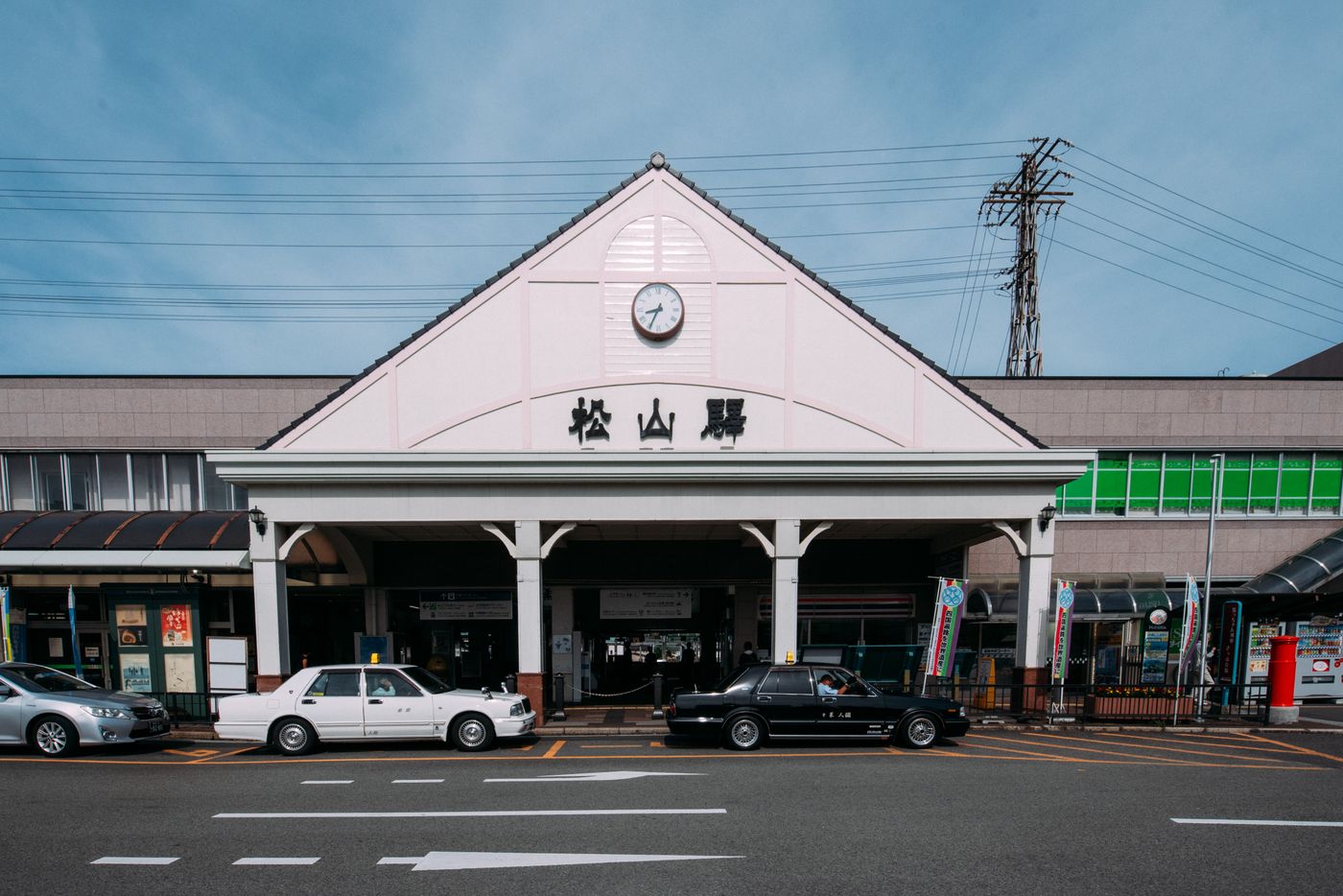
The major stations on the JR network and Tokyo Metro have invested substantially in elevator installation — Yamanote Line stations are nearly universally elevator-equipped, Tokyo Metro's major stations have elevators at all exits, and the Shinkansen station platforms are fully accessible.
The station staff assistance system: Every major JR station has staff trained to assist wheelchair users — a single call to the station assistance desk arranges boarding help, ramp installation for Shinkansen entry, and coordination between stations. This service is free, reliable, and a genuine strength of Japan's accessibility infrastructure.
The Shinkansen: Most Shinkansen trains have designated wheelchair spaces (多目的席 / tamokuteki-seki) in specific cars — bookable in advance through JR staff, providing accessible seating without transfer from wheelchair to standard seat.
Urban Sidewalks and Pavements
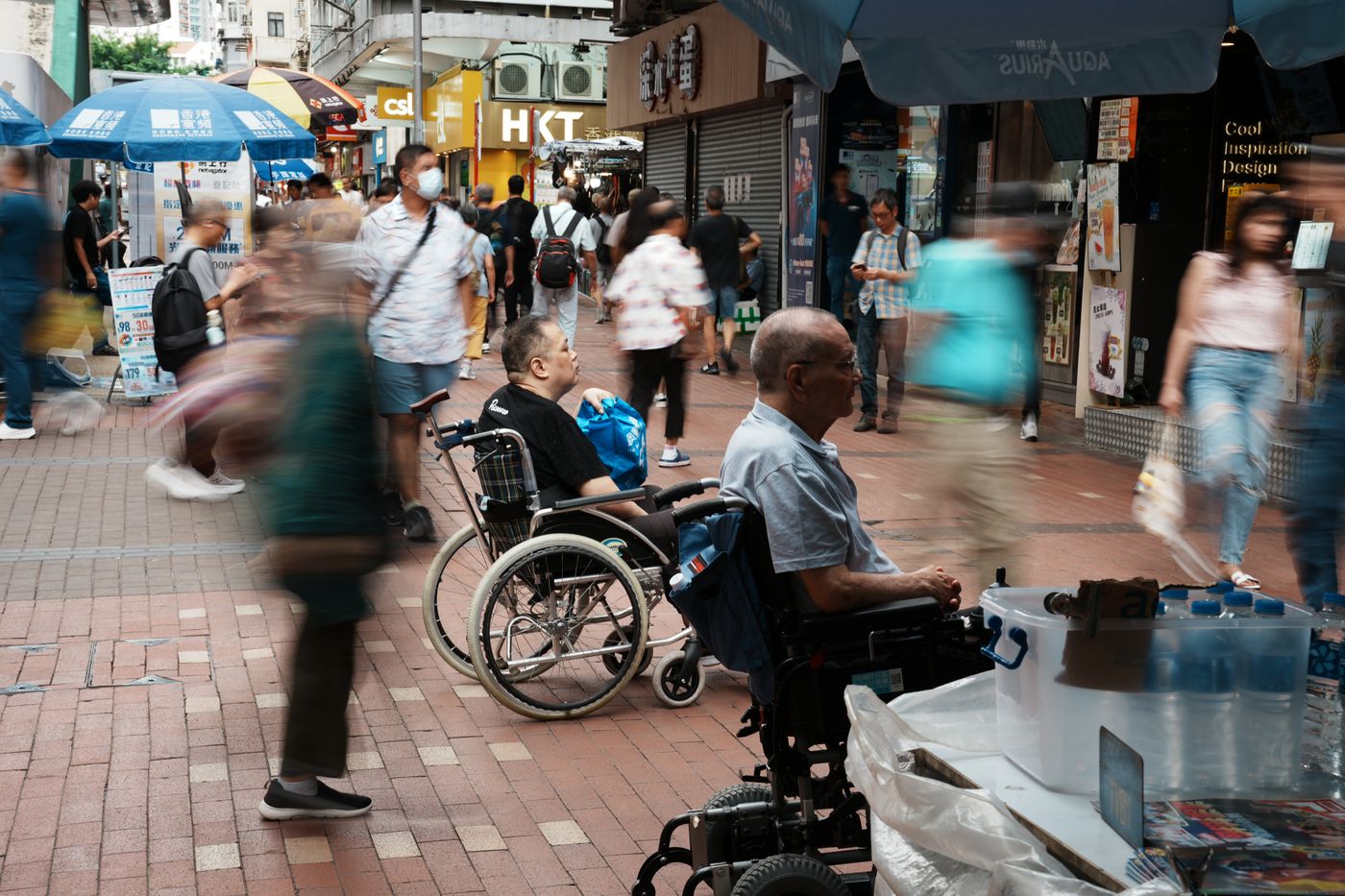
Major urban shopping streets (Omotesando, Ginza) have been redesigned for accessible navigation. Tactile paving (点字ブロック / tenji burokku) — raised yellow guidance tiles for visually impaired travelers — is universally present throughout Japan, though the guidance tiles occasionally create surface challenges for wheelchair navigation.
Accessible Accommodations
International chain hotels (Marriott, Hilton, Hyatt, and their Japanese equivalents) maintain Western-standard accessible room specifications. An increasing number of business hotels (Toyoko Inn, APA) have accessible room options.
What Is Genuinely Difficult
Older Subway Stations
While investment continues, some older subway stations — particularly Toei Oedo Line stations in Tokyo, and many Osaka subway stations outside the main lines — have elevator gaps or narrow elevator installations that require significant detour routing.
Traditional Sites
Shrines and temples — particularly the most historically significant ones — present significant access challenges. Stone steps, gravel paths, uneven surfaces, and historic structural considerations have prevented the accessibility upgrades possible in modern facilities. Fushimi Inari's thousand-torii path, Kinkaku-ji's garden circuit, and the vast majority of traditional architectural sites are partially or substantially inaccessible to wheelchair users.
Tatami rooms: The traditional Japanese floor-level seating environment (zazen meditation, kaiseki dining, ryokan accommodation) requires floor-level mobility that wheelchair users may find challenging. Many ryokan have at least one Western-style room as an alternative.
Rural Areas
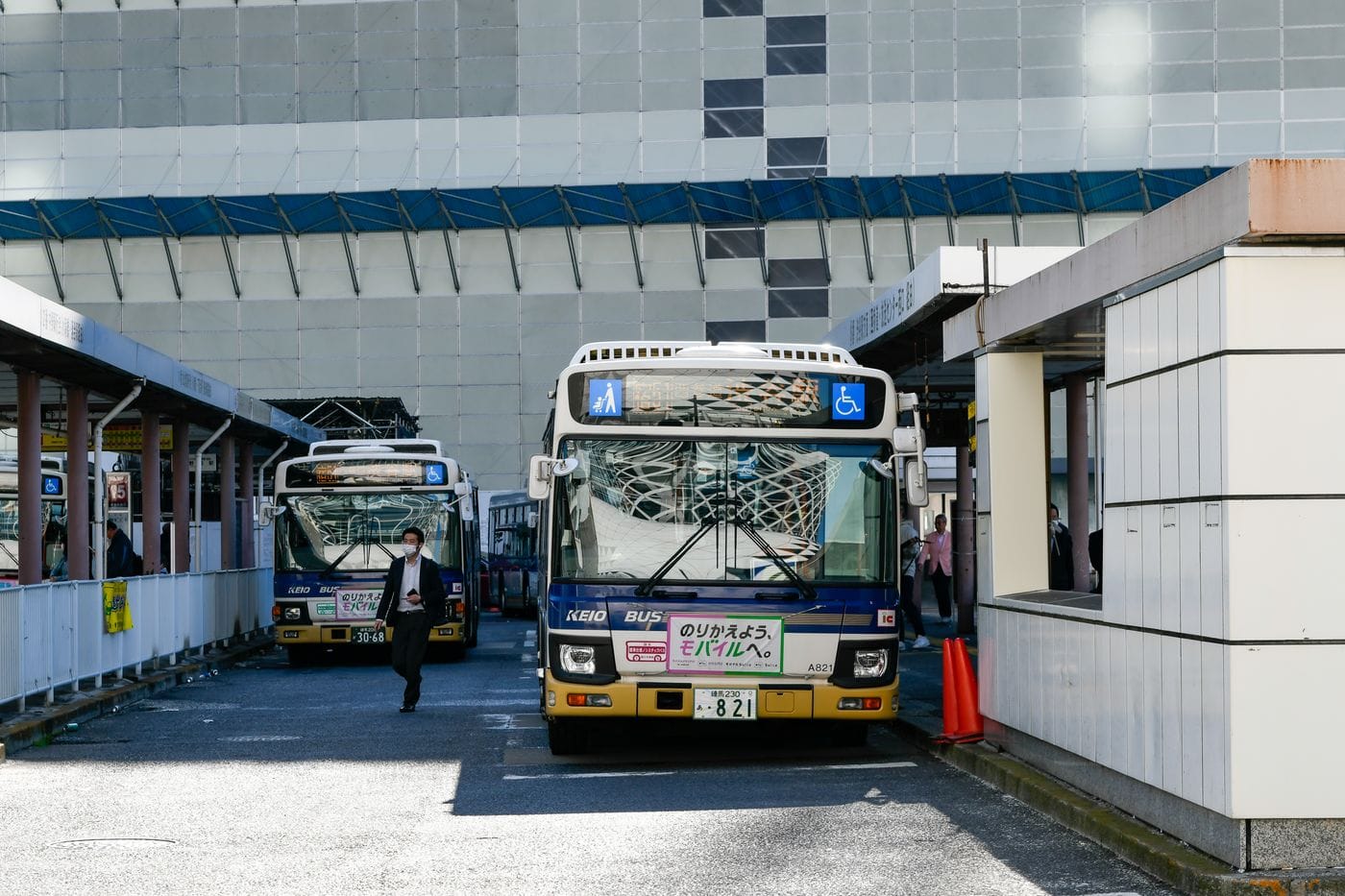
Accessibility outside major cities and Shinkansen station areas drops significantly — rural bus services, older regional train stations, and village-level infrastructure often predate accessibility requirements and have not been upgraded.
Planning Resources
Accessible Japan (accessiblejapan.com): The primary English-language resource for Japan accessibility travel — practical guides by region, accommodation listings, and community knowledge from wheelchair-using visitors who have documented their experiences.
Japan Travel and Tourism Information (JNTO Accessible Japan): The Japan National Tourism Organization publishes accessible travel guidance with regional specifics.
🏨 Planning where to stay?
Every area guide on this site pairs with honest, station-by-station hotel picks. Start here: Hotel Guides by Station →