This article may contain affiliate links. If you book through them, we may earn a small commission at no extra cost to you.
On this page
Introduction: The Music Industry That Invented Fan Participation
Japanese idol culture (アイドル文化 / aidoru bunka) is one of the most specifically Japanese cultural phenomena in the country's entertainment landscape — a model of pop music stardom built not primarily around recorded music quality but around fan-artist intimacy, proximity, and participatory investment that has generated a commercial infrastructure of extraordinary scale and has influenced global pop music (particularly Korean pop) significantly.
What Japanese Idol Culture Is
The Japanese idol is a managed entertainer — typically young, typically female (though male idol groups exist with equally significant cultural footprints) — whose commercial value comes from the combination of musical performance and the cultivation of a specific parasocial relationship with fans based on sustained, intensely cultivated accessibility.
The AKB48 model: The system was formalized and scaled to extraordinary size by AKB48 — founded by Akimoto Yasushi (秋元康) in 2005 as a concept of "idols you can meet." The group's founding innovation was regular performance at a dedicated small theater (専用劇場 / senyō gekijō) in Akihabara where fans could buy tickets to see performances rather than the group existing purely in the media. The "you can meet" concept extended to handshake events (握手会 / akushukai) where fans could spend brief time in direct contact with specific members — a format that generated significant commercial activity through the purchase of CD singles (which included handshake tickets) as currency for access.
AKB48 Theater (AKB48劇場): The Founding Venue
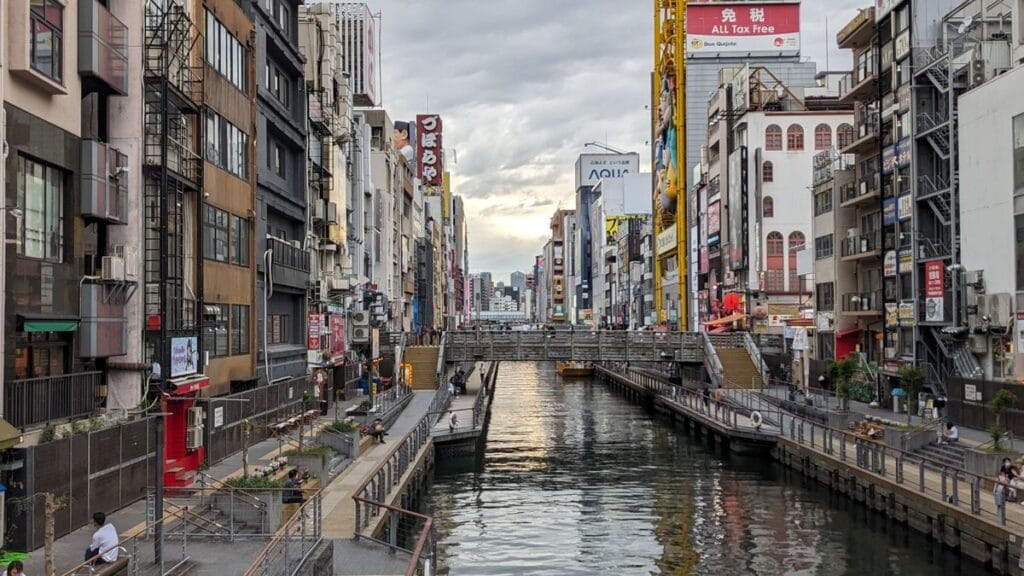
The AKB48 Theater — on the 8th floor of the Don Quijote building on Akihabara’s main street — continues to operate regular performances of rotating AKB48 group members, maintaining the original concept of theater-scale intimacy (the room seats approximately 250 people).
Getting tickets: The standard ticketing system uses a lottery (先着 / senchaku or 抽選 / chūsen) — tickets are applied for online through the official system, with lottery winners selected and notified. Standby (当日券 / tōjitsuken) tickets may be available but are not guaranteed.
The performance character: AKB48 theater performances are closer to variety shows than pure music concerts — stage productions combining song performances, scripted theatrical segments, and direct audience interaction create an entertainment format distinct from standard concert performance.
Wota (ヲタ) Culture: The Fan Side
Wota (ヲタ) — a contracted form of "otaku" applied specifically to idol fans — have developed a specific participatory culture around idol events:
Otagei (ヲタ芸 / wota art): Elaborate, choreographed fan cheering sequences — specific arm movements, synchronized jumping, call-and-response patterns — performed in concert halls by sections of the audience. The most elaborate otagei sequences are as choreographically complex as the idol performances themselves, creating a dual performance dynamic where audience and stage perform simultaneously.
Penlight culture: Color-coded penlight wands (ペンライト / penraito) are standard fan equipment — different colors assigned to different members, the coordinated color in the audience visible as a dynamic display from the stage.
Push (推し / oshi): The specific idol group member a fan most supports — the "oshi" relationship involves concentrated purchasing, attending of specific handshake events, and voting in member elections, and is the primary unit of fan investment in the idol system.
The Broader Idol Landscape
AKB48 established a template that has been reproduced and varied by dozens of subsequent idol groups:
Morning Musume (モーニング娘。): The 1997 predecessor group whose Hello! Project management model established many AKB conventions.
Nogizaka46 (乃木坂46): Initially positioned as AKB48's "rival group" but subsequently the most commercially successful group in Japanese music — their concerts at large Tokyo venues are among the most attended events in Japanese pop music.
Regional 48 and 46 groups: The AKB48 model spawned sister groups in Osaka (NMB48), Nagoya (SKE48), Fukuoka (HKT48), and internationally — extending the geographic reach of the model while maintaining the regional intimacy concept.
Underground idols (地下アイドル / chika aidoru): A subculture of smaller groups performing in live houses and smaller venues — the counter-model to the major label system, maintaining the handshake event model at prices lower than the major groups.
🏨 Planning where to stay?
Every area guide on this site pairs with honest, station-by-station hotel picks. Start here: Hotel Guides by Station →