This article may contain affiliate links. If you book through them, we may earn a small commission at no extra cost to you.
On this page
Introduction: The Hot Spring Town That Time Made Perfect
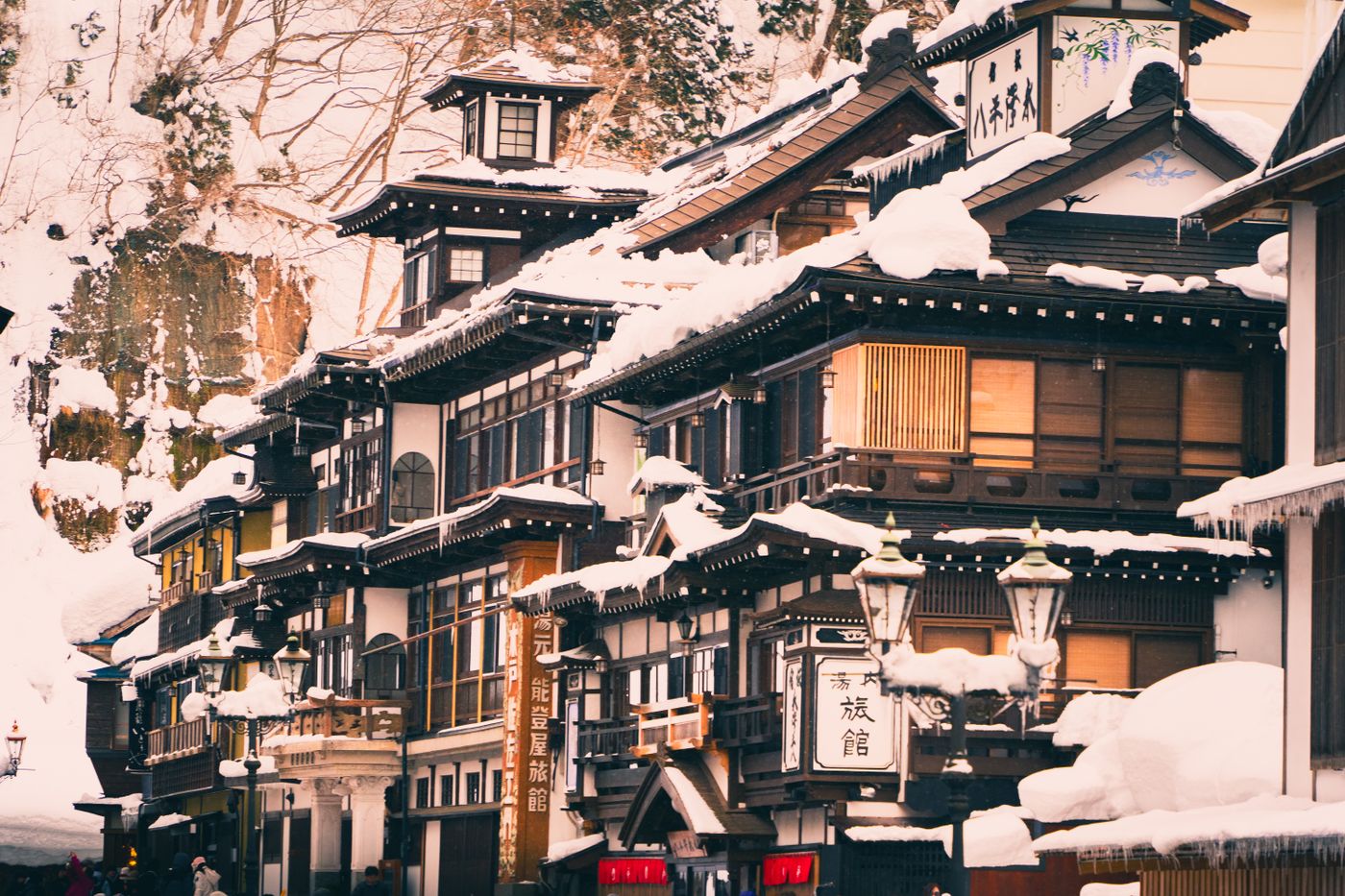
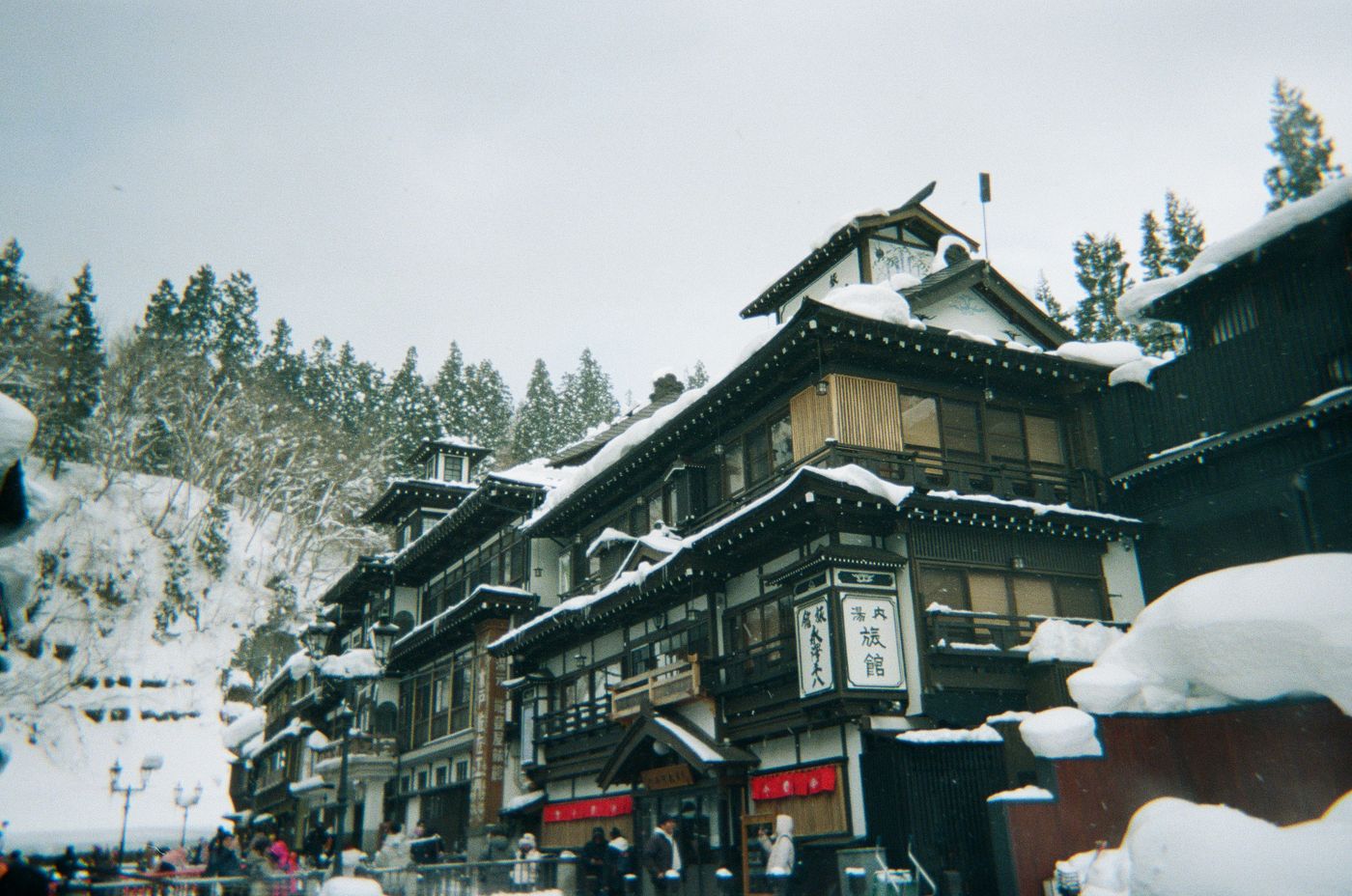
There are onsen towns in Japan that are beautiful. There are onsen towns that are historical. There are onsen towns with excellent water quality and fine ryokan. Ginzan Onsen (銀山温泉) in Yamagata Prefecture is the only onsen town that is all of these things while also being, in winter, one of the most visually perfect landscapes in Japan — a single row of Taisho-era wooden inn buildings beside a mountain stream, gas lamps reflecting in the water, snow falling or accumulated on every surface, steam rising from the stream where the thermal water meets the cold air.
The town is small — approximately 20 ryokan on either side of a river gorge, no convenience stores, no chain hotels, no large-scale tourist infrastructure. This constraint, combined with the specific architecture and the winter snow, has produced a place that photographs distribute worldwide with the caption "the real Japan" — and for once, the caption is largely accurate.
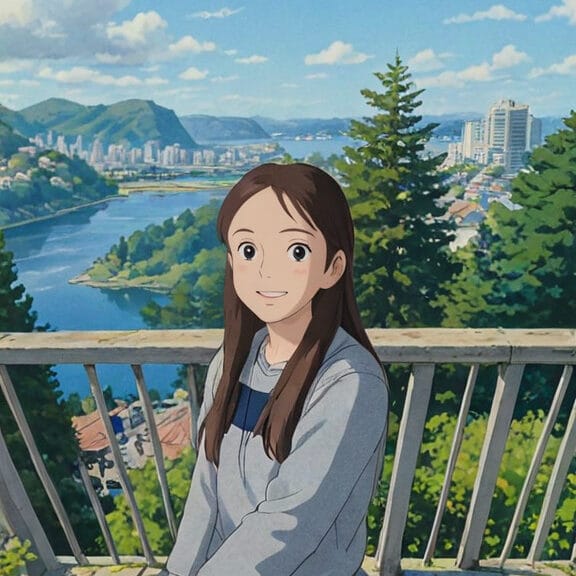
A word about the "Spirited Away" (千と千尋の神隠し) connection: it is popular legend rather than anything Studio Ghibli has ever confirmed — the studio has never named Ginzan as a model for Yubaba’s bathhouse. But the visual resonance (warm gas-lit wood, snow, steam rising off the river) is so immediate that the association stuck worldwide, and standing on the bridge at dusk, you will understand why.
The Architecture: Taisho-Era Wooden Ryokan
The buildings that line the Ginzan River gorge were constructed predominantly during the Taisho period (大正時代 / 1912–1926) — a period when Japanese architecture was absorbing Western elements into traditional wooden construction in a style that blends the two in ways specific to that era.
The Ginzan ryokan facades — three and four stories of wooden construction, bay windows with wooden lattices, the projecting upper floors that overhang the narrow river — reflect this Taisho-era synthesis. The buildings are not preserved as museums but as functioning businesses, their maintenance ongoing and their renovation debates (how much modernization is acceptable) a matter of community concern.
The gas lamps (ガス灯): Ginzan Onsen's street lamps are genuine gas lamps — not electric replicas — that produce the warm, slightly flickering orange light that most powerfully contributes to the town's nocturnal atmosphere. The lamps are lit at dusk and produce a quality of light on the snow surface and the wooden buildings that photography consistently struggles to reproduce accurately.
The Winter Experience: What Actually Happens
Ginzan Onsen's winter reputation rests on specific meteorological conditions that are not guaranteed on any particular day:
The ideal conditions: Heavy snowfall the previous night (accumulation of 50+ cm), clear or lightly overcast weather during the day, the gas lamps lit at dusk, and the steam from the stream and the ryokan baths rising into the cold air.
The frequent reality: Varying snow conditions, occasional bright sun (which reduces the atmospheric effect), and — particularly on weekends in February — a volume of day visitors photographing the town that creates a different social atmosphere from the intimate evening ryokan experience.
The solution: Stay overnight on a weekday. After 5:00 PM, the day visitors depart, the ryokan guests settle in, and the town reverts to something close to its ideal form — the gas lamps illuminating an otherwise dark gorge, the sound of the stream, the smell of sulfur from the spring vents, almost no one on the narrow path between the buildings.
The Hot Spring Water: Ginzan's Onsen Quality
Ginzan Onsen's spring water — sodium sulfate (硫酸塩泉) type, slightly acidic, colorless and transparent — is considered beneficial for the skin and has a gentler character than the sulfurous springs of Noboribetsu or Zao. The temperature (approximately 65°C at source) allows comfortable bathing after appropriate dilution, and most ryokan have both indoor and outdoor (rotenburo) bath facilities.
The origin of Ginzan Onsen as a settlement is the silver mine (銀山 / ginzan = silver mountain) that operated from 1609 to 1689 — the miners who worked the mine used the hot springs for recovery, and the settlement that grew around this use eventually displaced the mining economy entirely as the veins exhausted.
Recommended Base Hotels
Ginzan Onsen has no budget options. All accommodation consists of traditional ryokan priced at ¥20,000–¥50,000+ per person per night including two meals. The experience — the food, the bath, the building, the service — justifies the price.
Fujiya (藤屋) (Luxury / from ¥45,000 per person): The most famous and most photographed ryokan in Ginzan — the tall building with the distinctive timber facade visible in most Ginzan photographs. Designed with the interior by renowned designer Kengo Kuma.
Notoya Ryokan (能登屋旅館) (Luxury / from ¥35,000 per person): The oldest continuously operating ryokan in Ginzan — exceptional kaiseki cuisine.
Kakuriou (環翠楼) (Mid-range / from ¥22,000 per person): The most accessible price point for a genuine Ginzan experience.
Planning where to stay in Tohoku? Browse our honest hotel picks and area guides.
🏨 Planning where to stay?
Every area guide on this site pairs with honest, station-by-station hotel picks. Start here: Tokyo Hotel Guides →