This article may contain affiliate links. If you book through them, we may earn a small commission at no extra cost to you.
On this page
Introduction: The Brief Season of Living Light
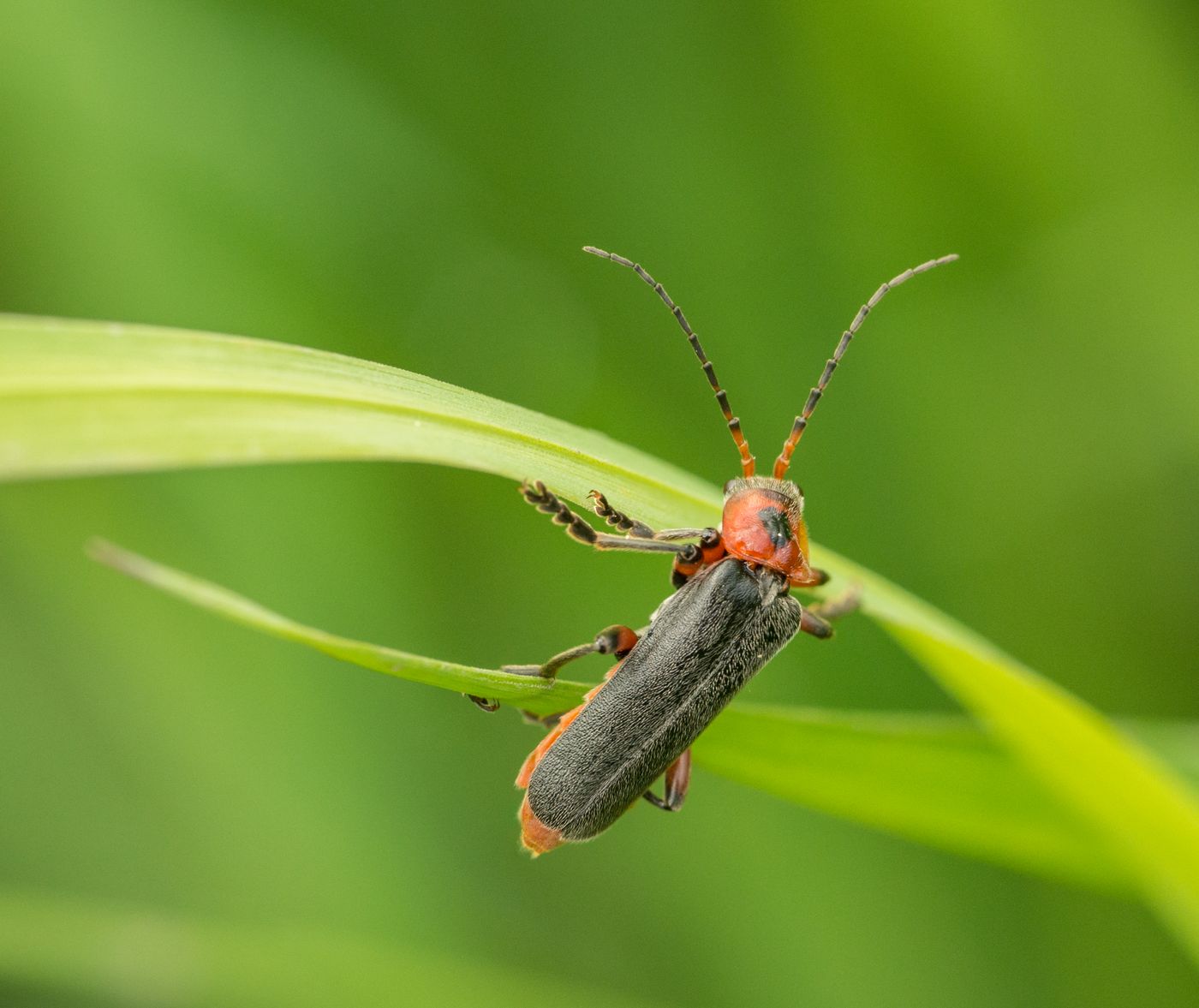
Hotaru (蛍 / firefly) viewing is one of Japan's most quietly beloved seasonal traditions — a brief window, typically lasting only 2–3 weeks in any given location, during early summer (late May through July depending on region and elevation), when Genji firefly (ゲンジボタル) and Heike firefly (ヘイケボタル) populations emerge in their adult flying stage along clean rivers and wetland margins, producing synchronized pulses of bioluminescent light that have been celebrated in Japanese poetry and garden culture since the Heian period.
Understanding the Two Species
Genji-botaru (源氏蛍): The larger and brighter of Japan's two main firefly species, requiring genuinely clean, well-oxygenated flowing water and a healthy population of the freshwater snail (Semisulcospira species) that its larvae feed on — the species' presence is considered a reliable indicator of excellent water quality, and Genji firefly populations have declined significantly in areas affected by river development and pollution.
Heike-botaru (平家蛍): Smaller, dimmer, found in still or slow-moving water including rice paddies and ponds — more tolerant of varied water conditions than Genji fireflies, and typically emerging slightly later in the season.
The names reference the two warring clans of the Genpei War (the same conflict referenced in the Heike legend of the Iya Valley article) — a literary association reflecting the deep cultural embedding of firefly viewing in Japanese aesthetic tradition.
The Best Firefly Viewing Locations
Near Tokyo
Okutama and Mitake area: The clean mountain streams of western Tokyo (covered in the Ome/Okutama article) support healthy Genji firefly populations, viewable from late May through mid-June at several specific points along the Tama River tributaries.
Sayama Hills (狭山丘陵): On the Tokyo-Saitama border, several designated firefly viewing programs operate during the brief season, with guided evening walks in some years.
Kyoto Area
Kurama and Kibune valleys (covered in the dedicated article): The clean streams of this area support reliable firefly populations, with viewing typically peaking in mid-June — combining a firefly evening with the area's kawadoko dining culture is a popular local approach.
Regional Highlights
Tatsuno, Nagano: One of Japan's most celebrated firefly viewing destinations — the town hosts an annual Hotaru Matsuri (firefly festival) in mid-June, when the Matsuo-kyo park area supports remarkably dense Genji firefly populations.
Yufuin, Oita: The rivers surrounding Yufuin (covered in the dedicated article) provide firefly viewing as a complementary evening activity to the area's onsen culture.
Shirakawa-go area, Gifu: The clean mountain streams around the UNESCO village (covered in the dedicated article) support firefly populations viewable during the brief early summer window before the area's main tourist season.
Viewing Etiquette and Practical Notes
Silence and stillness: Firefly viewing is traditionally a quiet, contemplative activity — loud conversation, bright lights (including phone screens), and flash photography all disturb both the fireflies and other viewers. The Japanese cultural approach treats hotaru-viewing with similar reverence to cherry blossom viewing's quieter moments.
Timing precision: Because the viewing window for any specific location is genuinely brief (often 1–2 weeks at peak), checking current local conditions immediately before traveling is more important than for almost any other seasonal Japanese natural phenomenon — several prefectural tourism offices and local hotel associations publish real-time firefly activity updates during the season.
Weather dependency: Fireflies are most active on warm, humid, windless, and ideally moonless nights — a cold snap or bright moonlight can significantly reduce visible activity even during the peak emergence period.
Planning where to stay in Japan? Browse our honest hotel picks and area guides.
🏨 Planning where to stay?
Every area guide on this site pairs with honest, station-by-station hotel picks. Start here: Hokkaido Hotel Guides →