This article may contain affiliate links. If you book through them, we may earn a small commission at no extra cost to you.
On this page
- Introduction: The Dance That Commands an Entire City
- Understanding the Awa Odori
- How to Experience It: Three Options
- Recommended Base Hotels
- How to Watch Sumo in Japan: Tickets, Etiquette & What to Expect
- The Tournament Structure
- Getting Tickets
- What to Expect: A Day at the Tournament
- Etiquette
- Recommended Base Hotels
Introduction: The Dance That Commands an Entire City
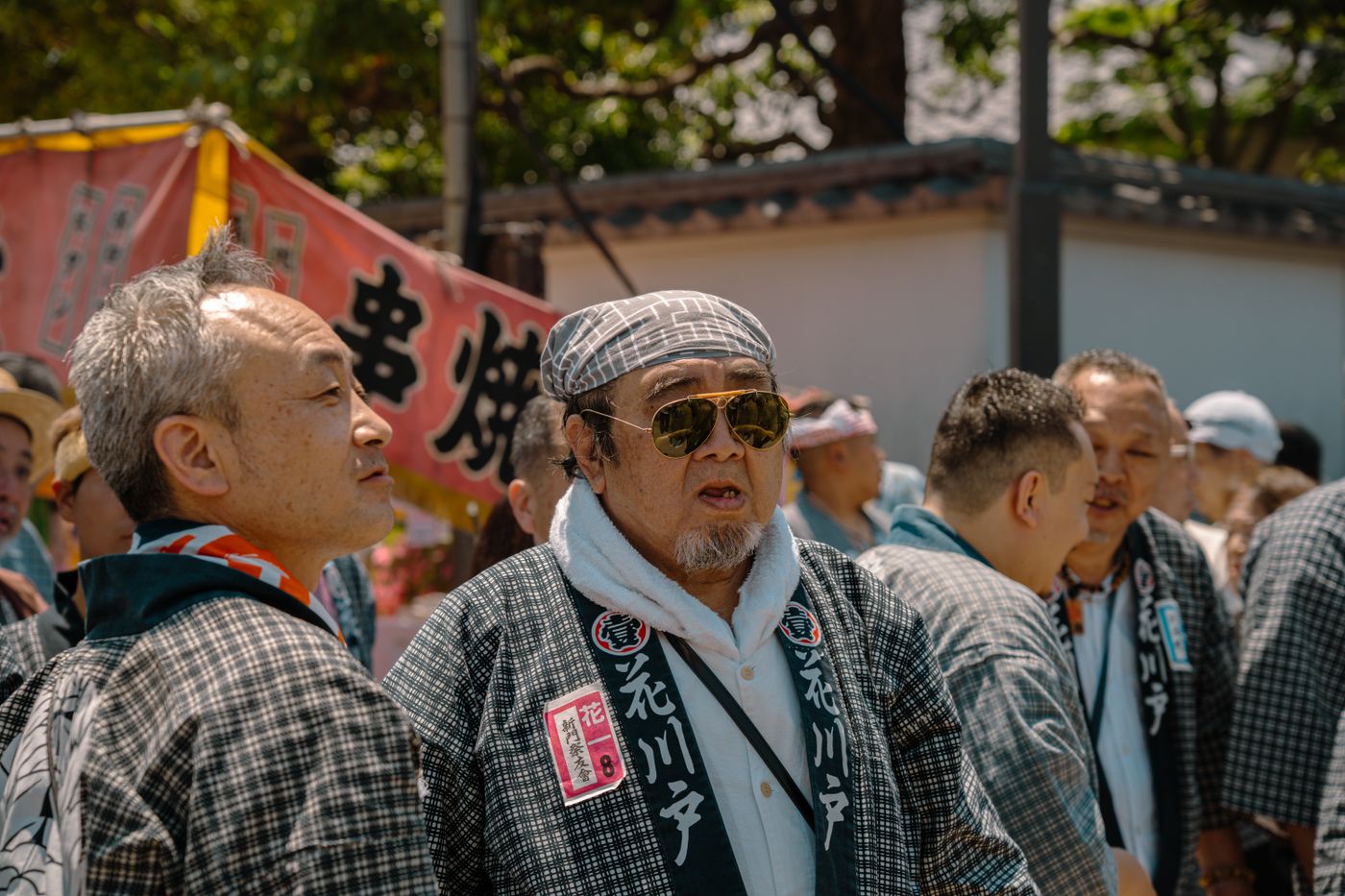
For four days every August — specifically August 12th through 15th — the city of Tokushima (徳島) on Shikoku Island transforms into the most participatory festival environment in Japan. The Awa Odori (阿波おどり) is not a festival that you watch from the sidelines. It is a festival that absorbs you — into the music, into the movement, into the specific quality of collective celebration that this particular combination of dance, rhythm, and crowd energy produces.
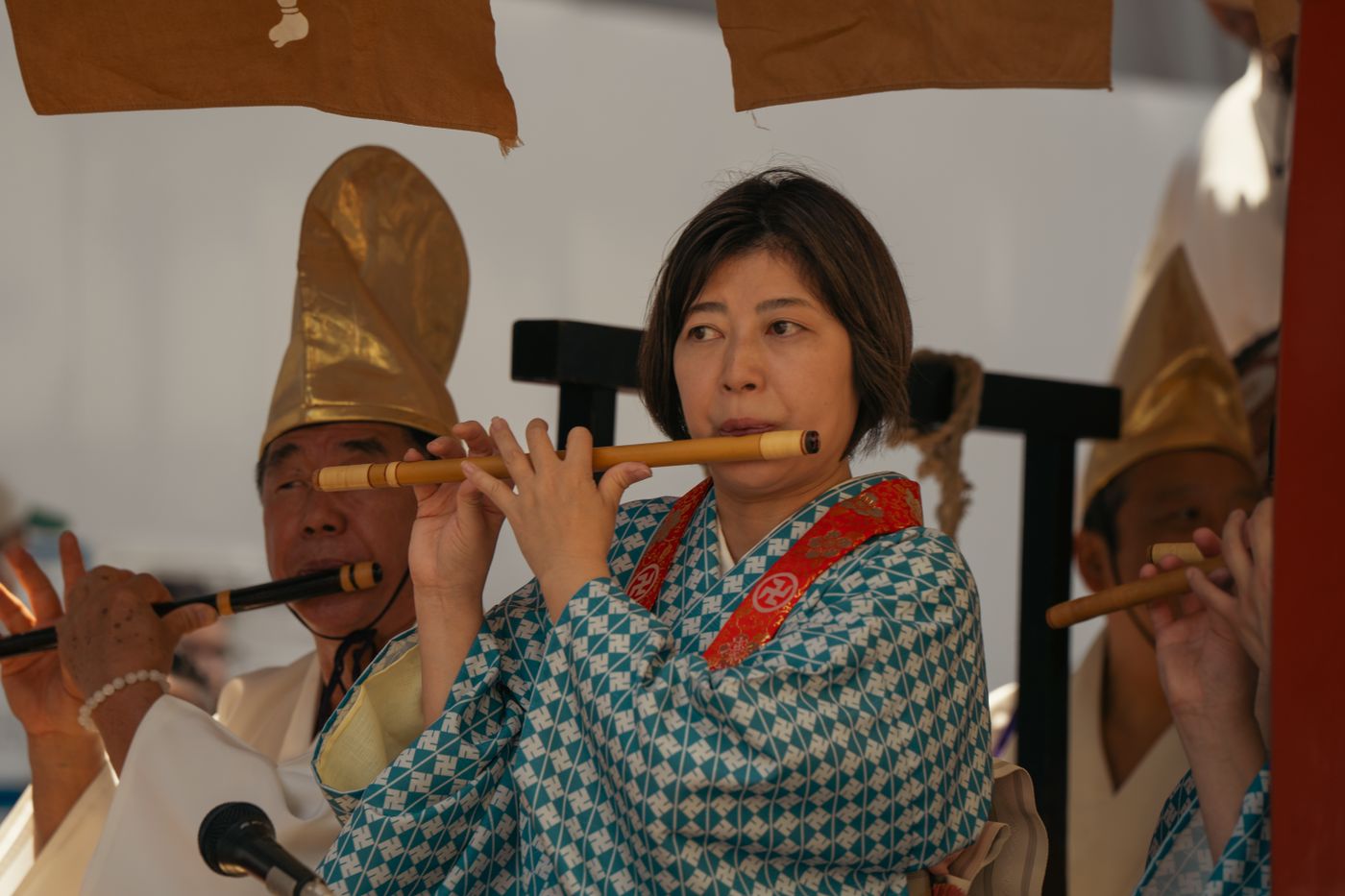
The Awa Odori is Japan's largest dance festival, drawing approximately 1.3 million visitors over its four days to a city of 260,000. The festival's core is deceptively simple: groups of dancers (ren / 連) moving through the city's streets in a specific stepping pattern, accompanied by the continuous, hypnotic rhythm of shamisen (三味線), taiko drums (太鼓), shinobue flutes (篠笛), and kane bells (鉦) playing the distinctive Awa Yoshikono (阿波よしこの) melody.
Understanding the Awa Odori
The Dance
The Awa Odori movement pattern is immediately distinctive — a syncopated two-step in which the weight always shifts to the foot that moves forward, creating a slightly stumbling, forward-falling progression that gives the dance its characteristic visual quality. The arms move independently, raised with elbows bent, hands describing a continuous circular motion.
The dance is gendered in its traditional form:
Women (女踊り / onna-odori): Slow, measured, elegant — the tiptoeing forward progress on elevated wooden clogs (高下駄 / taka-geta) with the arms raised creates a vertical, refined quality. The traditional costume (yukata, sedge hat tilted forward) adds to the composed aesthetic.
Men (男踊り / otoko-odori): Energetic, low-centered, with deep knee bends and wider arm movements — a completely different physical register from the women's version.
The Ren (連): The Dancing Groups
The festival is organized through ren — dance companies that have developed their choreography, costumes, and musical style over decades or generations. The major ren are essentially professional entertainment organizations, their annual festival performances competitive in the informal ranking that Tokushima's citizens maintain.
Famous ren:
- Gojahei (娯茶平): Considered among the most technically accomplished of all ren.
- Aho-ren (阿呆連): Named for the festival’s famous “dancing fool” verse — exuberant and beloved.
- Tensui-ren (天水連): One of the oldest ren, keeping the classic style alive.
The Song
The "Awa Yoshikono" melody — played by all ren to the same basic rhythm — has a specific quality that becomes memorable after approximately 15 minutes of hearing it: the combination of the shamisen's twanging melody, the drive of the taiko, and the bell's counting rhythm creates a hypnotic musical environment that the festival's physical energy amplifies.
The associated song lyric — "Odoru aho ni miru aho, onaji aho nara odoranya son son" (踊る阿呆に見る阿呆、同じ阿呆なら踊らにゃ損損) — translates roughly as "the dancer is a fool, the watcher is a fool — if you're going to be a fool anyway, you might as well dance." This philosophy, embedded in the festival's most quoted line, encapsulates the Awa Odori's attitude toward participation.
How to Experience It: Three Options
Option 1: Paid Viewing Seats (有料演舞場)
The Tokushima festival organizers designate several official performance venues (演舞場 / enbujō) along the main performance routes where paying tickets provide reserved seating. The tickets (¥1,800–¥2,000 per seat) guarantee a view and provide the most organized way to see multiple ren in succession.
The main venues: The Asahi Town Enbujō and Nishiuchi Town Enbujō are the most popular — the performance sequence at these venues (each ren performing in the space for approximately 10 minutes before moving on) allows comparison between the major ren's styles.
Option 2: Street Viewing (無料演舞場)
Free standing positions along the main performance routes provide unstructured access to the festival — arriving early enough to secure a good position along the Tonya-machi or Sakaemachi routes puts you at street level with the dancers passing within arm's reach. The physical immediacy of the dance at this proximity — the sound of the dancers' wooden clogs on the pavement, the smell of sweat and fabric, the eye contact possible at this distance — is not available from the seated venues.
Option 3: Dancing (踊り参加)
The correct response to the festival's central lyric is to dance. The Awa Odori has two specific mechanisms for visitor participation:
Niwaka-ren (にわか連): Spontaneous informal groups that form in the festival streets — joining one requires only the willingness to try the basic step. Local festival participants will demonstrate; the etiquette is indulgent toward obvious beginners.
Organized visitor participation: The festival organization and several ren offer "tourist ren" experiences where visitors are taught the basic movements in a 20-minute session and then join the official street performance. Contact the Tokushima Tourist Information Center in advance.
Recommended Base Hotels
Book 6–12 months in advance for August 12–15. Tokushima City accommodation sells out entirely for the festival period.
JR Hotel Clement Tokushima (Mid-range / from ¥15,000): Festival period premium applies; direct city center access.
- Hotel Sunroute Tokushima (Mid-range / from ¥12,000): Walking distance to main performance routes.
- Naruto area hotels + bus: Naruto City (30 minutes away) may have availability when Tokushima is full.
How to Watch Sumo in Japan: Tickets, Etiquette & What to Expect
Introduction: The Sport That Is Also a Ritual
Sumo (相撲) is not simply a sport. It is a Shinto ritual — performed within a dohyo (土俵) that is a sacred space (purified with salt, demarcated by rice straw, with the referee dressed as a Shinto priest), surrounded by ceremony that precedes and follows every bout, and connected to a mythology that traces the sport's origins to the gods wrestling for possession of the Japanese islands.
Understanding this dual character — sumo as sport and sumo as ritual — is the essential preparation for watching it live. The bouts themselves are often extremely brief (many last under ten seconds). What surrounds them — the lengthy preparation, the ceremonial movements, the salt-throwing, the psychological warfare of the tachiai (立合い / initial charge) — is the greater part of what you are watching.
The Tournament Structure
The Six Annual Tournaments
Honbasho (本場所) — the six grand tournaments — constitute the official sumo competition calendar:
January: Hatsu Basho (初場所), Ryōgoku Kokugikan, Tokyo
March: Haru Basho (春場所), Edion Arena, Osaka
May: Natsu Basho (夏場所), Ryōgoku Kokugikan, Tokyo
July: Nagoya Basho (名古屋場所), Dolphins Arena, Nagoya
September: Aki Basho (秋場所), Ryōgoku Kokugikan, Tokyo
November: Kyushu Basho (九州場所), Fukuoka Convention Center
Each tournament runs for 15 consecutive days, with every wrestler in the top division (幕内 / Makuuchi) competing once per day.
The Division Hierarchy
Sumo has six official divisions, with the Makuuchi (幕内 / top division) subdivided into five ranks:
Yokozuna (横綱): Grand Champion — the highest rank, held by the greatest wrestlers
Ōzeki (大関): Champion
Sekiwake (関脇) / Komusubi (小結): Senior wrestler ranks
Maegashira (前頭): Regular top division wrestlers
The January Tokyo tournament is generally considered the most prestigious and draws the largest attendance.
Getting Tickets
Official booking (Japan Sumo Association website): The most reliable source, with English interface. Tickets go on sale approximately one month before the tournament begins. Popular seating (masu-zeki boxes) sells out quickly; individual chair seats remain available longer.
Same-day tickets (当日券 / tōjitsu-ken): A limited number of arena standing tickets (溜席 / tamari-seki, which are actually floor-level cushion seats) are released on the day of the tournament from the Kokugikan ticket office. The queue begins forming several hours before the 8:00 AM sale time; arriving by 6:00 AM is recommended for popular days.
The best days: The final weekend of each tournament — Days 13, 14, and 15 — are the most exciting as championship positions are contested and the stakes are highest. Tickets for these days sell out first.
What to Expect: A Day at the Tournament
Arrival Time
The tournament day begins with the lower divisions performing from approximately 8:00 AM — small, less polished wrestlers competing in the empty arena. The hall fills progressively through the afternoon.
For top-division action only: Arriving at 2:30–3:00 PM is sufficient to see the senior divisions and the full Makuuchi program beginning at approximately 4:00 PM.
For the full experience: Arriving by noon allows you to see the progression from the lower divisions — the contrast between the early developmental wrestling and the polished top-division performance is instructive, and the arena's transformation from near-empty to packed is itself interesting.
The Masu-zeki Box Experience
Masu-zeki (桝席) — the traditional square floor boxes surrounding the dohyo — are the classic sumo viewing experience. The boxes seat four people on cushions, typically with a small table. Food and drinks (purchased from vendors circulating through the boxes) are part of the experience — eating a chanko-nabe (ちゃんこ鍋) bento while watching sumo at close range is the most thoroughly traditional afternoon available in Tokyo.
The proximity: The nearest boxes are literally at dohyo level — the ring's edge is perhaps ten meters away. When a wrestler is thrown from the ring (a regular occurrence), they land in the area directly adjacent to the nearest boxes. The scale of the athletes, visible at this distance, consistently surprises first-time visitors.
The Makuuchi Entering Ceremony (横綱土俱入り)
The Yokozuna's ring-entering ceremony (横綱土俱入り / Yokozuna dohyo-iri) — performed before the top-division bouts — is one of Japanese sports culture's most elaborate ritual performances. The Grand Champion, wearing a ceremonial rope (綱 / tsuna) around his waist weighing 20–30 kg, performs a sequence of specific movements at the four cardinal points of the dohyo, culminating in the characteristic leg stamp (shiko / 四股) that drives evil from the ring.
The ceremony's combination of Shinto ritual, the enormous physical presence of the Yokozuna, and the complete silence of the arena create a moment of genuine theatrical power.
Etiquette
Silence during bouts: The Kokugikan arena is surprisingly quiet during the actual bouts — there is no crowd chanting or organized cheering comparable to baseball. Watching carefully and without shouting is the appropriate spectator behavior.
Calling a wrestler's name: Quietly calling out a wrestler's ring name (shikona / 四股名) during the preparation period is acceptable and appreciated.
The salt throw: Each wrestler throws salt (provided in a bowl at each corner of the dohyo) as purification before the bout — some wrestlers throw a small pinch, others throw dramatically. The quantity of salt thrown is a reliable indicator of psychological state.
Recommended Base Hotels
Ryogoku Edo-Tokyo Museum adjacent hotels: For Tokyo tournaments — Hotel New Otani Inn Tokyo (Mid-range / from ¥12,000) is walking distance to the Kokugikan.
Osaka business hotels during March tournament.
Planning where to stay in Shikoku? Browse our honest hotel picks and area guides.
🏨 Planning where to stay?
Every area guide on this site pairs with honest, station-by-station hotel picks. Start here: Tokushima Hotel Guides →